
24/7 Customer Support

Free returns

Same-day & Next-day Delivery

Quality Guaranteed

Unlock Your Welcome Offers: FREE Delivery | Up to 80% OFF | Free 30-day JoyPlus trial
Download the APP
The world of wearable technology is vast and varied. From a simple activity tracker to a powerful sports watch, finding the right device for your wrist can feel like a significant task. Whether you are aiming to improve your fitness, manage daily stress or stay connected on the go, the ideal smartwatch should integrate seamlessly into your life.
This guide is designed to cut through the clutter. We will outline the key features to consider when buying a smartwatch in the UK and present some of our top recommendations for 2026 to help you make an informed choice that aligns with your personal health and lifestyle goals.
Before diving into specific models, it helps to understand what separates one device from another. Focusing on these three areas will narrow down your options considerably.
Your smartphone is the command centre for your smartwatch. The most important first step is to ensure compatibility. While some watches, like those from Fitbit, work well with both Android and iOS, others are designed for a specific ecosystem. The Apple Watch, for instance, requires an iPhone to function, offering deep integration that allows for a seamless experience across devices. Always check the manufacturer's requirements before making a purchase.
What do you want to measure? A basic fitness tracker will monitor steps, calories and sleep. However, a more advanced health watch offers a much deeper insight. Look for features such as:
heart rate monitor watch is crucial for effective training.GPS watch is essential for outdoor athletes who want to accurately track their runs, cycles or hikes without carrying a phone. More advanced models feature precision dual-frequency GPS for enhanced accuracy in challenging environments like dense cities or remote trails.A smartwatch is an everyday accessory, so it needs to withstand daily life. Consider the materials used, such as a tough titanium case or a scratch-resistant sapphire crystal display, for maximum durability. Water resistance is also key, especially if you are a swimmer or enjoy water sports.
Battery life varies significantly. Some models require nightly charging, while others can last for several days or even weeks on a single charge. Think about your routine and whether you prefer the convenience of a longer-lasting battery or the advanced features that may require more frequent charging.
Based on their features, build quality and user focus, here are a few standout models available in the UK market.
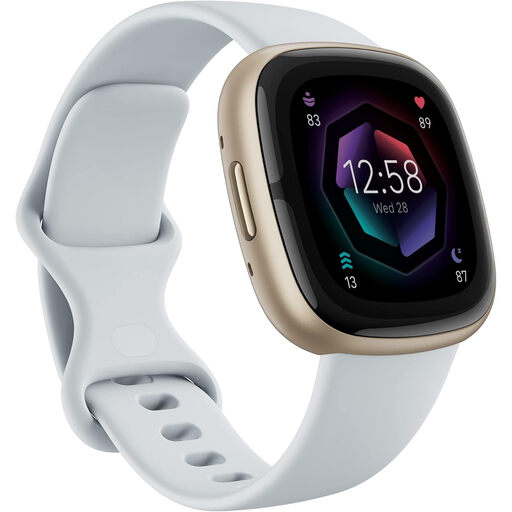
Why It Stands Out: The Fitbit Sense 2 distinguishes itself with a strong focus on holistic health and stress management. It is one of the few wearables equipped with a cEDA sensor that continuously tracks signs of stress. Paired with Fitbit's comprehensive sleep tracking and analysis, it provides a well-rounded view of your overall wellbeing.
Pros:
Who is it for?: This is an excellent choice for individuals who are focused on managing stress, improving sleep quality and gaining a deeper understanding of their body's daily patterns. It’s a health watch first and a smartwatch second.
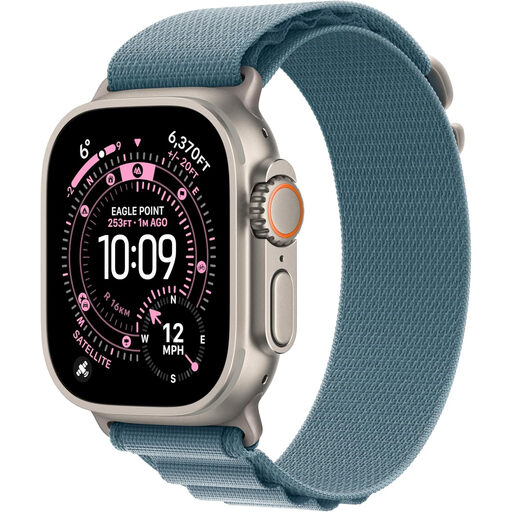
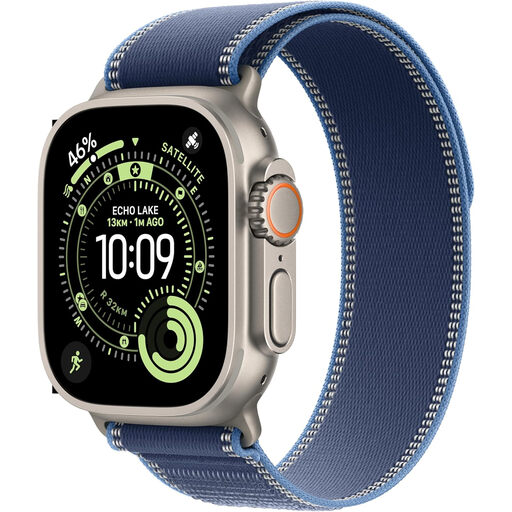
Why It Stands Out: The Apple Watch Ultra 3 is engineered for performance and endurance. Its rugged 49mm titanium case and bright, durable display are built for demanding conditions. Key features include precision dual-frequency GPS for superior location tracking, a customisable Action Button for instant access to functions, and cellular connectivity for freedom from your iPhone. Safety features like Fall Detection, Crash Detection and Emergency SOS via satellite make it a reliable companion for adventurers.
Pros:
sports watch metrics for running, hiking, diving and more.Who is it for?: This device is aimed at iPhone users who are serious athletes, outdoor enthusiasts or anyone who needs a robust, highly capable smartwatch UK residents can rely on for everything from mountain hikes to city marathons. It is available with various specialised straps, such as the comfortable Trail Loop for endurance athletes or the secure Alpine Loop for explorers.
The models highlighted here serve specific needs, but the market is full of alternatives. A key part of finding the right watch is ensuring it can be tailored to your preferences, from the software on the screen to the physical controls you interact with.
The customisable Action Button on the Apple Watch Ultra 3 is a great example of how physical controls can adapt to a user's needs. This principle of customisation extends across the entire product landscape. If you are interested in exploring a variety of components and options, from the functional to the aesthetic, you might find our collection of blue buttons an interesting place to browse for inspiration on what is possible.
A fitness tracker or activity tracker is primarily designed to monitor health and activity metrics like steps, sleep and heart rate. A smartwatch includes all those functions but adds more advanced capabilities, such as running third-party apps, displaying smartphone notifications, making contactless payments and often includes cellular connectivity to make calls and stream music without a phone nearby.
If you are a runner, cyclist or hiker who wants to accurately map your routes and track your pace and distance without carrying your phone, a GPS watch is a must-have. For those who primarily exercise indoors or always have their phone with them, built-in GPS may be less of a priority.
Modern optical heart rate sensors in smartwatches are generally reliable for tracking heart rate trends and monitoring your effort during exercise. They are excellent tools for fitness and wellness. However, it is important to remember that these are not medical devices and should not be used to diagnose health conditions. For medical concerns, you should always consult a healthcare professional.