
24/7 Customer Support

Free returns

Same-day & Next-day Delivery

Quality Guaranteed

Unlock Your Welcome Offers: FREE Delivery | Up to 80% OFF | Free 30-day JoyPlus trial
Download the APP
Categories
Making nutritious smoothies, protein shakes or fresh juices at home is a fantastic way to support a healthy lifestyle. However, the sheer number of appliances available can be overwhelming. From powerful jug blenders to dedicated juicer machines, choosing the right one for your needs requires a clear understanding of what matters most: power, capacity, convenience and ease of cleaning.
As a Joybuy Product Recommendation Officer, my role is to help you navigate these choices. This guide offers practical advice and highlights key features to look for, helping you find a suitable appliance without the marketing jargon.
Before looking at specific models, it's helpful to understand the core features that will impact your daily use. Considering these points will ensure you select an appliance that fits seamlessly into your routine.
The motor's power, measured in watts (W), is a crucial indicator of performance. A blender with 500-700W is generally sufficient for soft fruits and protein powders. However, if you plan to blend tough, fibrous vegetables or crush ice for frozen drinks, a powerful blender for ice with 1000W or more will deliver smoother results without straining the motor. The blade design also plays a part; systems with multiple, tiered blades can create a better vortex, pulling ingredients down for a more consistent blend.
Consider who you are blending for. A large-capacity jug blender, typically 1.5 litres or more, is ideal for families or batch-prepping. Many of these are now available as a blender with a glass jug, which is resistant to odours and discolouration and is often preferred for its durability. For individuals or those with a fast-paced lifestyle, a blender with a to-go cup offers unmatched convenience, allowing you to blend and drink from the same container.
It's important to distinguish between a smoothie blender and a juicer machine. A blender pulverises whole fruits and vegetables, retaining all the fibre, which is excellent for creating thick, filling smoothies. A juicer, on the other hand, separates the juice from the pulp (fibre), producing a thin, nutrient-dense liquid. Your choice depends on whether you prefer the full fibre of a smoothie or the concentrated vitamins of a juice.
Here are a few recommendations that cater to different needs, from compact daily blenders to high-performance multi-function models.
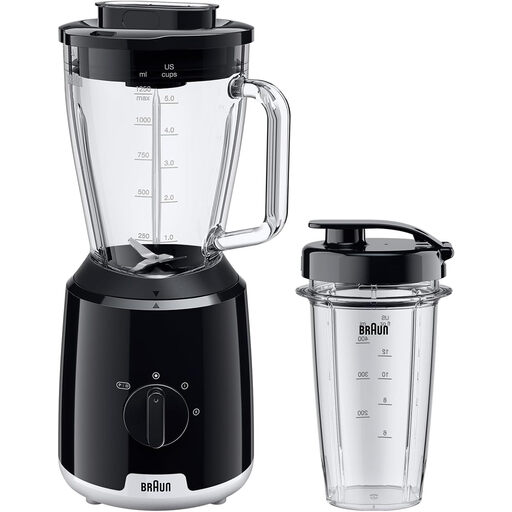
Why It Stands Out: The Braun blender is an excellent example of a compact yet capable appliance. Its unique triangular jug design, which Braun calls TriAction Technology, helps to ensure all ingredients are circulated evenly for a smooth finish. It balances everyday functionality with a space-saving footprint, making it a practical choice for most kitchens.
Pros:
Who is it for? This is a great fit for individuals or small households looking for a reliable and easy clean blender for daily smoothies and simple food prep, without sacrificing counter space.
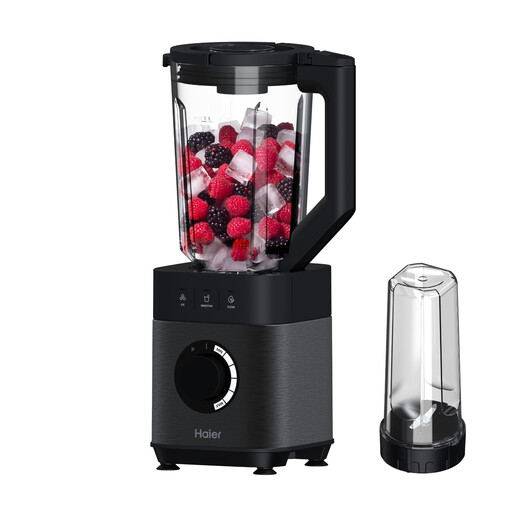
Why It Stands Out: For those who demand more power and versatility, the Haier multi blender is a formidable countertop blender. With a very powerful motor and multiple pre-set programmes, it goes beyond simple smoothies to tackle a wider range of kitchen tasks. Its large glass jug and separate Tritan cup provide flexibility for making large batches or single servings.
Pros:
Who is it for? This is aimed at busy families and cooking enthusiasts who need a robust, high-capacity blender that can handle everything from morning smoothies to soups and sauces.
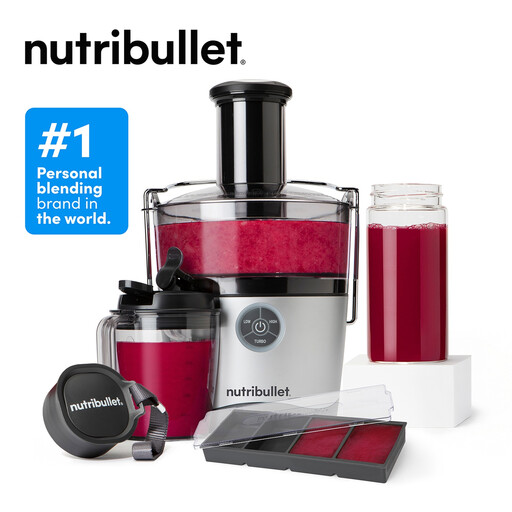
Why It Stands Out: The Nutribullet Juicer Pro is designed for one purpose: extracting fresh, pulp-free juice with maximum efficiency. Its wide feed chute dramatically reduces preparation time, as many fruits and vegetables can be inserted whole. This is not a smoothie maker, but a dedicated juicer machine for those who prefer pure juice.
Pros:
Who is it for? This is the ideal choice for health enthusiasts focused on juicing. If you want to make fresh, nutrient-dense juices quickly and easily, this appliance is built for the job.
A great blender or juicer is only the first step. To keep your creations fresh for work or the gym, proper storage is essential. If you're looking for ways to store your freshly made smoothies, juices or even prepped ingredients, explore our collection of kitchen glass jars. They are perfect for keeping your drinks fresh and ready to go.
A smoothie blender pulverises all parts of the fruit or vegetable, including the skin and fibre, creating a thick, textured drink. This retains all the nutrients and fibre. A juicer separates the liquid juice from the solid pulp (fibre), resulting in a thinner, smoother liquid.
Not all blenders are designed to handle ice. Doing so in a low-powered model can damage the blades or burn out the motor. Look for blenders with a specific "ice crush" function or a motor of at least 600W, preferably higher, to ensure it can effectively crush ice and frozen ingredients without issue.
Both materials have their advantages. A blender with a glass jug is heavy, durable, and resistant to scratches, stains and odours. It also won't absorb flavours from pungent ingredients. Plastic jugs (often BPA-free Tritan) are lighter and less likely to shatter if dropped, making them a practical choice for some households. The decision often comes down to personal preference for weight and durability.