
24/7 Customer Support

Free returns

Same-day & Next-day Delivery

Quality Guaranteed

Unlock Your Welcome Offers: FREE Delivery | Up to 80% OFF | Free 30-day JoyPlus trial
Download the APP
Choosing between ready-to-eat pouches, bottled drinks and kitchen appliances can be harder than it appears. Marketing often focuses on flavour, motor speed or “natural” ingredients while leaving important details in the small print.
For UK households, three common buying traps are worth avoiding:
The right choice depends on whether you need organic baby food smoothies, a personal smoothie maker, convenient smoothies on the go, or equipment for frozen drinks.
For babies aged 6 months and over, check the stated age guidance, texture and ingredients before buying. A smooth pouch may be convenient during early weaning, but it should be served as part of a varied diet rather than treated as a replacement for all meals.
Look for clear information about:
For example, Ella’s Kitchen smoothie pouches include fruit combinations with no added sugar, while the naturally occurring sugars remain listed in the nutrition information. Some products are suitable from 6 months, but adult supervision is still required.
Adults comparing organic fruit smoothies or coconut milk smoothies should also check whether the recipe includes coconut sugar, fruit juice or other sweetening ingredients. “Organic” describes production standards; it does not automatically indicate a lower-sugar drink.
A Nutribullet 900W blender can be suitable for single-serve drinks, but buyers should check the full specification rather than focusing only on wattage. The Nutribullet 900 Series kits listed here provide 900ml cups, a stainless-steel extractor blade and push-and-twist operation.
For frozen fruit, nuts and ice, look for:
A smoothie blender for frozen fruit should not be overfilled or run continuously beyond its stated limit. The Nutribullet specification advises blending for up to 60 seconds at a time, followed by a cooling period. Dishwasher-safe removable parts can also make a significant difference to regular use.
A slushie and frozen drink maker is a different purchase from a personal blender. It is designed to chill and dispense drinks over a longer period, so consider countertop space, cleaning access, cooling performance and expected serving volume.
Features such as one-touch controls, self-cleaning functions and continuous ice release may reduce daily effort, but they do not remove the need to follow the manufacturer’s cleaning and food-safety instructions. Check whether the machine needs ice, pre-chilled liquid or a specific recipe balance before ordering.

Why This Fits Their Persona: A five-pouch multipack offers portioned fruit snacks for lunchboxes, picnics and supervised feeding at home.
The ingredient list clearly identifies organic fruit and no added sugar, while the pack states the age guidance and storage information.
Contains bananas, apples, apricots, pineapple and lemon juice; 90g pouches are easy to portion.

Why This Fits Their Persona: Suitable for adults who want a compact personal smoothie maker with cups and lids for home or commuting.
Its stated 900W motor, 25,000 RPM extractor blade and 60-second operating guidance provide clearer expectations than wattage-only advertising.
Includes two 900ml BPA-free Tritan cups, to-go lids, two blades and dishwasher-safe removable parts.
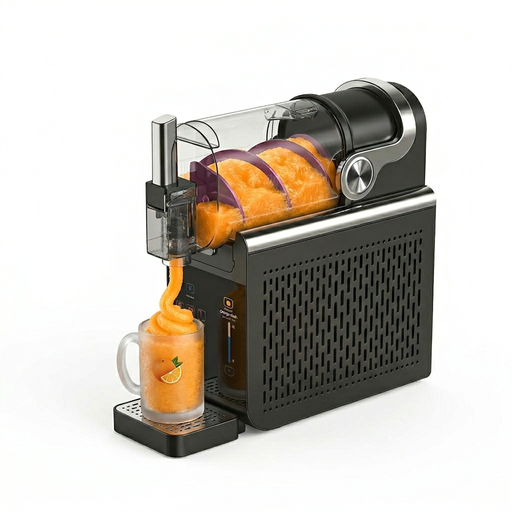
Why This Fits Their Persona: Designed for households that regularly prepare frappés, shakes, frozen juice and slush-style drinks rather than occasional single smoothies.
The listing identifies it as a dedicated beverage maker with integrated cooling and continuous ice release, rather than a standard blender marketed for every task.
Features one-touch controls, a stainless-steel shaft and a self-clean function according to the product description.
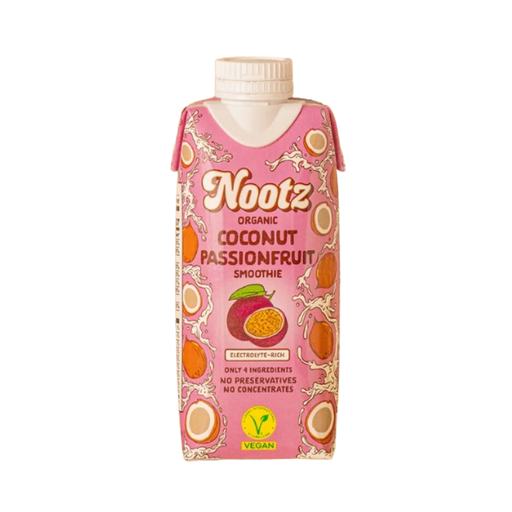
Why This Fits Their Persona: A shelf-stable coconut-based drink for adults wanting a chilled tropical option without preparing a blender recipe.
The ingredients specify organic coconut milk, coconut water, passionfruit and coconut sugar, making the sweetness source easier to identify.
325ml format; shake before serving and chill slightly, as excessive chilling may cause separation.
We have compiled a complete, real-time list of products that fully satisfy these strict selection criteria and UK safety regulations.
A blender’s electricity use depends on its wattage and operating time. A 900W appliance running for one minute uses approximately 0.015 kWh, before considering standby consumption or repeated blending cycles. Actual household cost depends on the tariff, so short blending times and switching the appliance off at the socket can help limit unnecessary use.
For cheaper homemade smoothies:
Ready-made drinks may save preparation time, while a blender can offer more control over ingredients and portion size. Baby pouches are convenient for travel, but caps should be kept away from young children and opened products should be stored exactly as directed on the packaging.
Some products are labelled as suitable from 6 months, including the listed organic fruit pouches. Always follow the pack instructions, supervise feeding, check allergens and offer smoothies as part of a varied diet. A pouch should not be assumed to replace age-appropriate meals or textures.
Some models are designed for frozen fruit, ice and nuts, but check the specific instructions first. The Nutribullet 900 Series lists a 900W motor, a 25,000 RPM extractor blade and 900ml cups. Add sufficient liquid, do not exceed the fill line and follow the stated blending cycle.
Storage varies by product. The Nootz Passion Fruit drink is shelf-stable before opening and should be shaken and served slightly chilled. The Nootz Papaya 180ml drink should be refrigerated after opening and consumed within 24 hours. Always follow the current label, as ingredients and storage guidance can change.