People who want fizz at lunch
Look for a product described as carbonated. Tesco and Waitrose & Partners list sparkling flavoured waters separately from the smoothie examples, so a fruit flavour alone does not settle the question.


Choose a drink explicitly described as carbonated if fizz matters most; sparkling flavoured water is not a fruit smoothie. If you want a smoothie, have it alongside food rather than treating it as the whole lunch. The NHS advises limiting fruit juice and smoothies to a combined 150ml a day for 5 A Day purposes, so check the serving size as well as the bottle size.
Look for a product described as carbonated. Tesco and Waitrose & Partners list sparkling flavoured waters separately from the smoothie examples, so a fruit flavour alone does not settle the question.
A smoothie can be the drink or fruit-and-vegetable element of a desk lunch. The UK Government’s Eatwell Guide also describes starchy carbohydrates and protein foods as parts of a varied diet; a smoothie alone should not be assumed to provide the whole meal.
Compare the current pack’s ingredients, allergens, serving information and storage instructions, particularly if the drink will sit at work before you open it. Marks & Spencer’s instructions for one chilled smoothie are product-specific, not a rule for every bottle.
Decide whether you want carbonation or a smoothie first. Then check how the drink fits with your lunch, the portion you intend to have and where you will keep it.
Choose when: You want a fruit or fruit-and-vegetable drink alongside lunch.
Bear in mind: Do not assume it is carbonated or that a bottle is a complete meal; check its portion size against the NHS’s combined 150ml daily juice-and-smoothie guidance.
Choose when: Fizz is the deciding feature and the product description confirms carbonation.
Bear in mind: A sparkling flavoured water is not a smoothie. Tesco’s and Volvic’s cited examples contain sweeteners, so check the exact drink’s ingredients and nutrition label.
| Priority | What to check | Your needs |
|---|---|---|
| Drink type | Check for “carbonated” in the description or ingredients. Read the product category too: a fruit-flavoured sparkling water and a smoothie serve different purposes. | I want fizz with lunch, so I need to confirm the drink is sparkling rather than relying on its fruit flavour. |
| The rest of lunch | Consider the drink alongside the meal. The UK Government’s Eatwell Guide describes a variety of food groups, including starchy carbohydrates and protein foods; yoghurt or oats in a smoothie do not, by themselves, establish that it replaces lunch. | If I am buying a smoothie for a quick lunch, I also need to decide what food to have with it. |
| Portion and sugars | Compare sugars on the same per-100ml basis and check the amount you plan to drink. The NHS advises a combined limit of 150ml of fruit juice and smoothies a day for 5 A Day purposes. | A larger bottle may contain more than the amount I intend to have at lunch; I want to check both the serving and the full bottle. |
| Ingredients and storage | Read the current pack for allergens, sweeteners, date marking and storage instructions. For a chilled smoothie, check the temperature and any instructions that apply after opening. | My drink may wait at my desk or in a work fridge, so I need a product whose pack instructions I can follow. |
Tesco’s cited sparkling fruit-flavoured water is described as carbonated water with apple juice from concentrate and sweetener. That does not make it a smoothie.
Check for carbonation when you want fizz, and read the product category and ingredients when you want a smoothie.
The NHS advises limiting fruit juice and smoothies to a combined 150ml a day for 5 A Day purposes; drinking more does not create additional portions.
Check the bottle volume and measure the amount you intend to drink if you are using a smoothie as your 5 A Day portion.
Fruit or vegetable content does not establish that a drink covers the other food groups described in the UK Government’s Eatwell Guide.
Plan the food as well as the drink. If considering a smoothie containing yoghurt or oats, check that particular product’s ingredients and nutrition information rather than assuming it replaces a meal.
Marks & Spencer notes that recipes and product information can change. For someone checking allergens or chilled storage, the instructions on the bottle they receive matter.
Read the current pack before drinking and follow its date, allergen and storage information.
These examples help distinguish the drink types and pack formats; they do not imply that every product in a brand’s range has the same ingredients or is available at Joybuy.
Waitrose & Partners lists Innocent smoothies in 250ml and 750ml formats, including a fruit-and-vegetable product.
Tesco Summer Fruits Sparkling Flavoured Water is an example of the fizzy-drink route rather than the smoothie route.
Its smoothie category lists own-label and branded products, including a 750ml mango and passionfruit smoothie.
Marks & Spencer describes smoothie formats containing ingredients such as yoghurt, dates and oats, as well as fruit smoothies.
Waitrose & Partners lists both Innocent smoothies and sparkling flavoured water, allowing shoppers to compare the two types.
Sainsbury's smoothie category lists Naked Green Machine in a 750ml format.
These Joybuy options include fruit-flavoured drinks and one coconut milk and papaya smoothie. Check each product’s current description if carbonation is essential: a fruit flavour or a smoothie name alone does not confirm fizz.
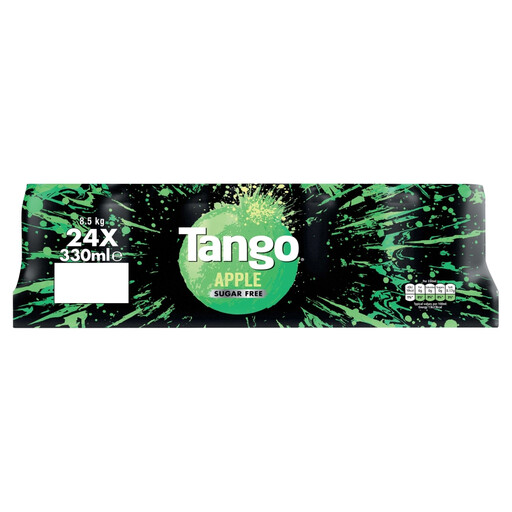 No image available
The 24 × 330ml pack offers individual apple-flavoured drinks for lunch breaks. If fizz or particular sweeteners matter to you, confirm them on the current product label; this is not presented as a smoothie.
 No image available
This named sparkling-water option suits a lunch-drink choice centred on fizz rather than a smoothie. Check the current ingredients and nutrition label if sweeteners or sugar content affect your choice.
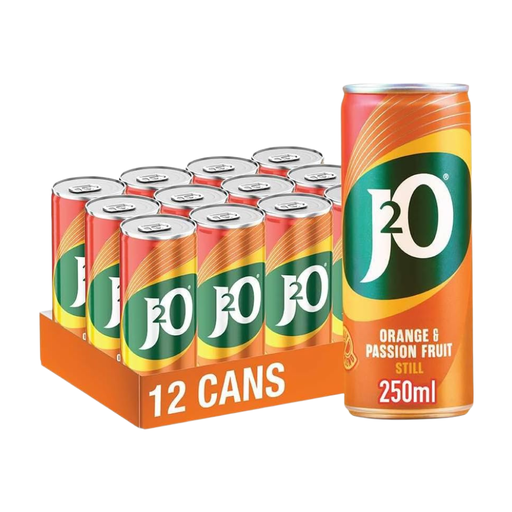 No image available
The 12 × 250ml format offers separate drinks for lunch breaks. Check the current product description for carbonation and the label for juice content, sugars and sweeteners rather than assuming that fruit flavour means smoothie.
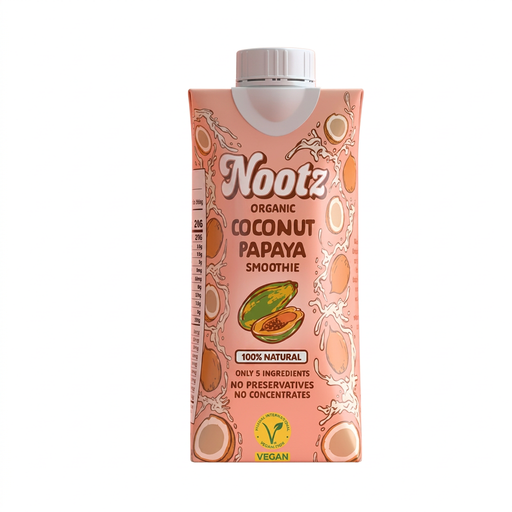 No image available
This 180ml coconut milk and papaya smoothie is the smoothie option in this group, not a substitute for the rest of lunch. Check the exact product for carbonation if you want fizz, and follow its pack instructions for storage.
No. Tesco describes its cited summer-fruits drink as carbonated flavoured water, while the cited Innocent product is described as a fruit-and-vegetable smoothie. If you need both fizz and a smoothie, check that the exact product explicitly has both characteristics.
Do not assume a fruit smoothie makes a complete lunch. The UK Government’s Eatwell Guide describes variety across food groups, including starchy carbohydrates and protein foods, so consider what food you will have alongside the drink.
The NHS advises limiting fruit juice and smoothies to a combined 150ml a day for 5 A Day purposes. A bottle larger than 150ml does not count as multiple portions simply because it contains more drink.
No; check the exact product’s nutrition label. Waitrose & Partners labels the cited Volvic Touch of Lemon & Lime sparkling water sugar free and lists sweeteners, but that description does not apply to every sparkling fruit-flavoured drink.
Follow the storage instructions on the bottle you buy rather than assuming it can remain unrefrigerated. Marks & Spencer says its cited mango, pineapple and passion fruit smoothie should be kept at 0–5°C and consumed within 24 hours once opened; other products may have different instructions.