What matters when choosing drinks?
Decide whether guests want a smoothie at all, then compare the sugar label, the amount you plan to pour and how the drink will be kept during the evening.
| Priority |
What to check |
Your needs |
| Sugar wording |
Read sugars per 100ml and per serving on the exact pack. “No added sugar” does not mean zero sugar: Tesco describes the sugars in Innocent’s mango smoothie as naturally occurring from fruit. |
I want to distinguish a drink without added sugar from one that contains no sugar. If zero sugar matters, I’ll check the alternative drink’s nutrition panel. |
| Serving size |
Check the bottle size and measure intended pours. A 750ml bottle makes five 150ml servings; the NHS advises a combined daily limit of 150ml for fruit juice and smoothies. |
For a small group, I can divide one bottle rather than leave it out for everyone to keep topping up. |
| Pack format |
Compare a shared 750ml bottle with individual 150ml packs. A larger single bottle still needs pouring if everyone is to receive the intended amount. |
Would one bottle be convenient for the table, or would separate packs make serving easier? |
| Ingredients and storage |
Read the current ingredient and allergen information for the precise drink. Check its refrigeration and after-opening instructions; these can differ between products. |
I need to know whether each guest can have the drink and how to store an opened bottle during and after the game. |
Smoothie brands and ranges to consider
These are references for comparing smoothie formats and labels, not a list of the Joybuy drinks shown below.
Innocent
Tesco lists a 750ml Mangoes, Passion Fruits & Apples smoothie, while Sainsbury’s lists children’s smoothies in 150ml packs.
- The 750ml mango smoothie listing says no sugar is added and identifies naturally occurring fruit sugars.
- That wording does not make the smoothie a zero-sugar drink; check the nutrition panel for the exact variety.
Sainsbury’s
Its own-label Mango & Passionfruit Smoothie comes in a 750ml bottle.
- Sainsbury’s nutrition listing gives sugars as 16.5g per 150ml serving, making the stated serving a useful basis for reading its label.
- Check the current pack for ingredients and serving information before sharing it with guests.
Naked
Tesco lists Naked Blue Machine in a 750ml bottle among its smoothie products.
- The Blue Machine listing identifies sugars naturally occurring from juice.
- Naturally occurring sugars are not the same as zero sugar; read the exact bottle’s nutrition panel.
M&S
Marks & Spencer lists ready-made smoothies in 350ml and 750ml bottles.
- The two bottle sizes give shoppers different formats to compare for individual drinks and sharing.
- Its Strawberry and Banana Smoothie listing specifies refrigeration at 0°C to +5°C; check the storage directions of the particular bottle you buy.
Joybuy drink options for game night
These are alternatives to a fruit smoothie for guests considering zero-sugar or no-added-sugar drinks. They do not replace the label check needed when a particular sugar level or ingredient matters.
 No image available
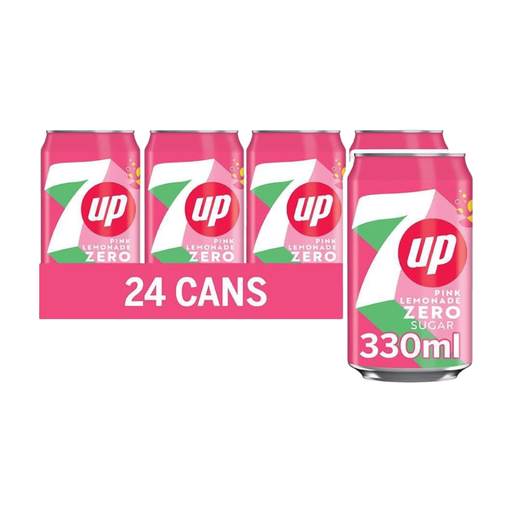
7 Up Lemonade Zero 24 × 330ml
The individual cans offer a lemonade option for a group rather than a shared smoothie. Check the current nutrition and ingredient label if a guest needs a specific sugar level or avoids particular ingredients.
View on Joybuy
 No image available
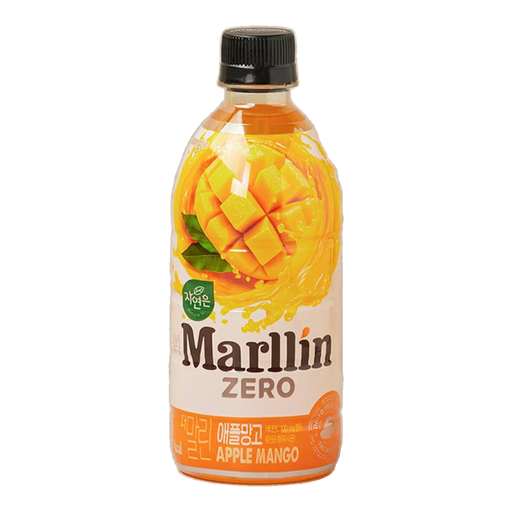
Nature's Marllin Applemango Zero PET 500ml
This apple-mango drink is a bottled alternative, not a blended smoothie. If “zero sugar” is essential, confirm the sugars per 100ml and ingredients on the current bottle before serving.
View on Joybuy
 No image available
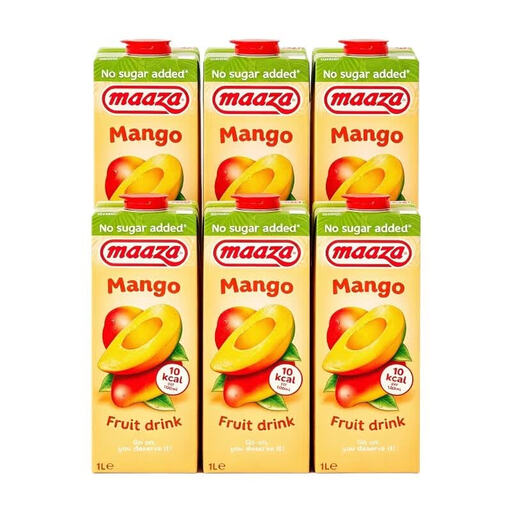
Maaza Mango No Added Sugar Drink 6 × 1L
The 1L bottles can be poured for a group, but this mango drink is not a smoothie. “No added sugar” is not a zero-sugar claim; check the pack’s sugars figure, ingredients and after-opening directions.
View on Joybuy
Questions about serving smoothies
Does “no added sugar” mean a smoothie has zero sugar?
No. Tesco’s listing for Innocent Mangoes, Passion Fruits & Apples says no sugar is added but identifies naturally occurring sugars from fruit. Read sugars per 100ml and per serving on the exact pack if the amount matters.
How much smoothie should I pour at a board game night?
The NHS advises limiting fruit juice and smoothies to a combined 150ml a day. A measured 150ml pour makes that guidance easier to account for; offer another drink if guests want something to sip throughout a longer game.
Will one 750ml smoothie serve a small group?
A 750ml bottle makes five 150ml portions if divided evenly. It suits that serving plan, but not repeated full-glass refills for the same guests.
What should I do with an opened smoothie?
Follow the refrigeration and after-opening directions on its own pack, and return it to the fridge when it is not being poured. Instructions can differ between smoothie products; Marks & Spencer’s Strawberry and Banana Smoothie listing, for example, specifies storage at 0°C to +5°C.
What if a guest has an allergy or ingredient restriction?
Check the ingredient and allergen information on the exact current pack before serving it. A brand name, flavour or older listing is not enough to establish whether that particular drink meets a guest’s requirements.


