Shoppers checking sugar
If a no-added-sugar claim catches your eye, compare it with the total sugars on the nutrition label and the amount you intend to pour.


A fruit smoothie can be a convenient drink with weekend breakfast, but do not assume it replaces the rest of the meal. Choose a fruit-based option if you do not need added protein, or compare a plant-protein smoothie if you do; either way, check the sugars and the amount you will drink. The NHS advises limiting fruit juice and smoothies to a combined 150ml a day and having them with a meal.
The useful distinction is whether you are choosing for fruit flavour, added protein or a portion you can fit into breakfast.
If a no-added-sugar claim catches your eye, compare it with the total sugars on the nutrition label and the amount you intend to pour.
Check the protein amount per stated serving, vegan labelling and sugars rather than assuming a protein smoothie is also a lower-sugar drink.
A larger chilled bottle can be poured over more than one occasion. Check its serving information and how long it can be kept after opening.
Start with the sugars label and your intended portion, then decide whether added protein, ingredients or storage instructions change your choice.
| Priority | What to check | Your needs |
|---|---|---|
| Sugars | Distinguish no added sugar from zero sugar. Compare total sugars per 100ml and for the amount you plan to drink; Waitrose & Partners lists 10g sugars per 100ml for Innocent Mangoes, Passionfruits & Apples. | I want a fruit drink, but I do not want to mistake a no-added-sugar claim for a sugar-free one. |
| Protein | Check the protein source and amount per stated serving alongside sugars. Tesco Groceries lists 10g pea protein and 21g sugars per 300ml serving for the 750ml Naked Pineapple & Mango Protein Machine. | If added plant protein matters to my breakfast choice, I want to compare it without overlooking the drink’s sugars or serving size. |
| Portion size | Compare bottle volume with the amount you will pour. The NHS advises no more than 150ml of fruit juice and smoothies combined per day, taken with a meal. | A whole bottle may be more than I intend to drink at breakfast, particularly if I also have fruit juice that day. |
| Ingredients and storage | Read the current pack for ingredients, allergens, dietary labelling, refrigeration and instructions after opening. These details can differ between products or change with a recipe. | When sharing a bottle over the weekend, I need it to meet my dietary requirements and to know when the remainder must be used. |
A smoothie can contain sugars from its fruit and juice even when no sugar has been added. Waitrose & Partners lists 10g sugars per 100ml for Innocent Mangoes, Passionfruits & Apples.
Read the sugars line on the nutrition label and account for the amount you will drink.
Even a conveniently sized bottle can exceed the NHS guidance of 150ml a day for fruit juice and smoothies combined.
Check the bottle volume, pour the amount you intend to have with breakfast and follow the pack instructions for any remainder.
Tesco Groceries lists 10g protein and 21g sugars per 300ml serving for the 750ml Naked Pineapple & Mango Protein Machine. The protein figure does not describe its sugar content.
Compare protein, sugars and serving size separately when choosing between a fruit-based and a protein-containing smoothie.
Waitrose & Partners warns that recipes can change, affecting ingredient, nutrition and allergen information. Chilled products also have their own storage instructions.
Check the current pack before buying, especially if an allergen, dietary label or after-opening instruction affects your choice.
These brand and retailer examples help identify what to compare on a label; they do not establish the suitability of every product in a range.
A fruit-smoothie reference for comparing no-added-sugar wording with total sugars.
A reference for shoppers comparing a fruit smoothie with an added plant-protein option.
Its smoothie listings include Tesco own-label products alongside Innocent and Naked products.
Its Naked Pineapple & Mango Protein Machine listings provide a useful example of why bottle variants need separate checks.
Its smoothie product listings illustrate the value of checking a named product rather than relying on a range description.
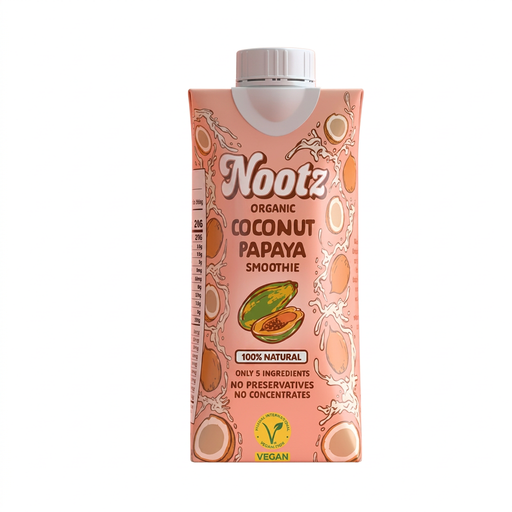
This coconut-milk and papaya smoothie is an option to consider if you plan to pour a measured amount with weekend breakfast; it is not a no-added-sugar option.
 No image available
The 180ml pack can be poured in a smaller amount with breakfast; drinking it all would exceed the NHS 150ml daily guidance for fruit juice and smoothies combined. It contains cane sugar, so check the current ingredients and nutrition label if sugar content affects your choice. Refrigerate after opening and use within 24 hours as directed for this product; check the current pack for allergens and dietary suitability.
No. A no-added-sugar smoothie can still contain sugars from fruit and juice. Waitrose & Partners lists 10g sugars per 100ml for Innocent Mangoes, Passionfruits & Apples, so compare the nutrition label with the amount you intend to drink.
The NHS advises limiting fruit juice and smoothies to a combined 150ml a day and having them with a meal. Check the bottle size before treating the whole bottle as one day’s portion.
No single smoothie suits every breakfast. If added plant protein matters to you, Tesco Groceries lists 10g pea protein per 300ml serving for the 750ml Naked Pineapple & Mango Protein Machine; it also lists 21g sugars for that serving. Compare those figures and the amount you plan to pour rather than judging the drink by its protein claim alone.
Follow the instructions on its current pack. For example, the Innocent Mangoes, Passionfruits & Apples product listed by Waitrose & Partners specifies refrigeration at 0–8°C and use within two days of opening; another smoothie may have different instructions.
Read the current ingredients and dietary information on the particular pack before buying. A category name or older listing cannot settle those checks, and Waitrose & Partners warns that recipe changes can affect allergen and nutrition information.