Commuters choosing a breakfast drink
A portable smoothie may suit you if you want a blended fruit or vegetable drink. Check the pack size, and plan other breakfast food separately if a drink alone does not meet your needs.


Choose a still smoothie if you want a blended fruit or vegetable drink for breakfast; choose a sparkling fruit drink if fizz matters more. Sparkling juice and juice drinks are not necessarily smoothies, so check the product description, ingredients, sugars per 100ml and pack size. NHS guidance limits fruit juice and smoothies to a combined 150ml a day; check what kind of drink you are buying rather than assuming every fizzy fruit drink is the same.
For a rushed breakfast, decide whether you want a smoothie or carbonation before comparing flavours and pack sizes.
A portable smoothie may suit you if you want a blended fruit or vegetable drink. Check the pack size, and plan other breakfast food separately if a drink alone does not meet your needs.
Look at sparkling juices and juice drinks as a separate choice. Sainsbury’s lists Appletiser as sparkling 100% apple juice and Cawston Press Cloudy Apple as sparkling water with 49% pressed apple juice; neither description makes it a smoothie.
Compare the amount you intend to drink with the NHS guidance to limit fruit juice and smoothies to a combined 150ml a day. A larger bottle is a pack format, not a reason to increase that amount.
Start with the type of drink, then compare its ingredients, nutrition label and pack size for the breakfast you have in mind.
Choose it when: You want a blended fruit or vegetable drink rather than carbonation.
Keep in mind: A smoothie alone may not meet all your breakfast needs, and a larger bottle does not change the NHS 150ml combined daily guidance for juice and smoothies.
Choose it when: Fizz is the reason you are picking a fruit-flavoured drink.
Keep in mind: Sparkling products can be 100% juice or drinks made with juice and sparkling water; do not assume either is a blended smoothie.
| Priority | What to check | Your needs |
|---|---|---|
| Drink type | Read the product description and ingredients. Check whether it says smoothie, sparkling juice or juice drink, and whether a juice percentage is stated. | I want to know whether I am buying a blended smoothie or a fizzy fruit drink, rather than deciding from fruit imagery alone. |
| Pack size | Check the volume in ml and whether the pack is a can, a single bottle or a multipack. For fruit juice and smoothies, compare the amount you plan to drink with the NHS combined 150ml daily guidance. | A pack I can take to breakfast matters to me, but I do not want its size to determine my serving without checking the label. |
| Sugars | Compare sugars per 100ml on the same basis. For example, Sainsbury’s lists 10.5g per 100ml for Appletiser Sparkling Apple Juice and 4.3g per 100ml for Cawston Press Cloudy Apple; these are differently formulated drinks. | I would rather compare the nutrition panels of the exact drinks I am considering than treat ‘no added sugar’ as meaning sugar-free. |
| Breakfast fit | Check the product type and serving format separately. Do not treat a fruit drink’s name as evidence that it provides everything you want from breakfast. | If a drink will not meet my breakfast needs on its own, I can plan food alongside it. |
The sparkling apple examples listed by Sainsbury’s are juice products, while Tesco lists smoothies in a separate range. Picking by flavour alone could leave you with a different kind of drink from the one you intended.
Read the product description and ingredients, including any stated juice percentage, before choosing.
NHS guidance limits fruit juice and smoothies to a combined 150ml a day. A bottle containing more than 150ml does not change that guidance.
Check the volume in ml and decide how much you intend to drink with breakfast.
A drink can make a no-added-sugar claim and still list sugars on its nutrition panel. Sainsbury’s lists 4.3g sugars per 100ml for Cawston Press Cloudy Apple, which it describes as having no added sugar or sweeteners.
Compare sugars per 100ml and the ingredients on the exact pack, rather than relying on a front-of-pack phrase.
These examples help distinguish smoothie ranges from sparkling fruit drinks; a brand name alone does not establish the ingredients of every variant.
innocent has a still fruit-and-vegetable smoothie range and separately describes lightly sparkling fruit juices as ‘bubbles’.
Tesco lists Naked products in its UK smoothie range, including a Green Machine 750ml bottle.
Sainsbury’s describes its 150ml Appletiser product as gently sparkling 100% apple juice.
Sainsbury’s describes Cawston Press Cloudy Apple as sparkling water with 49% pressed apple juice.
These options are for the fizzy-fruit-drink side of the breakfast decision, not the still-smoothie route. Check each pack’s current description and nutrition label before choosing.
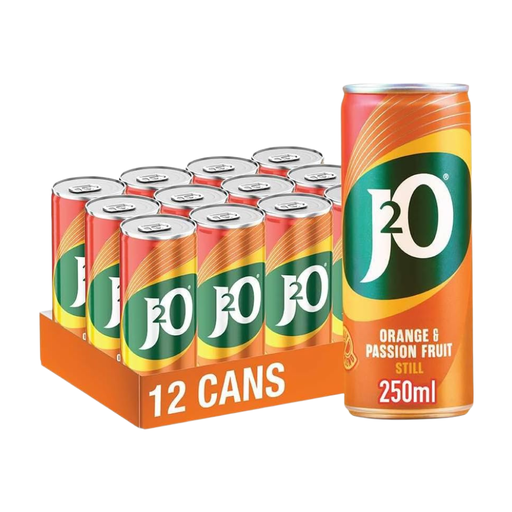 No image available
Consider this if you want a fizzy orange-and-passion-fruit drink rather than a smoothie. The pack contains twelve 250ml cans; check the ingredients and sugars per 100ml on the current label.
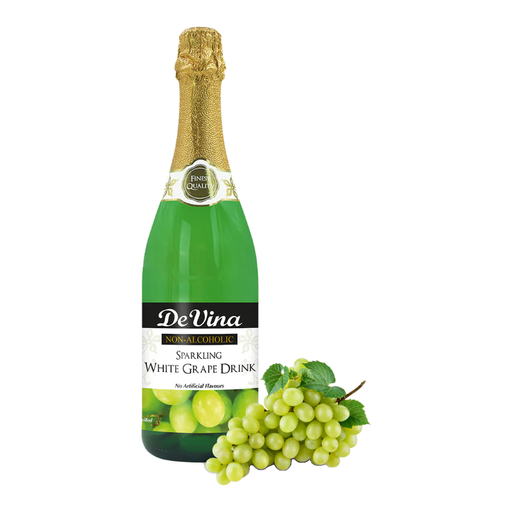 No image available
This sparkling grape drink comes in a 750ml bottle rather than a single-serve can. If you intend to take one serving to breakfast, check the amount you plan to pour, along with the current ingredients and nutrition label.
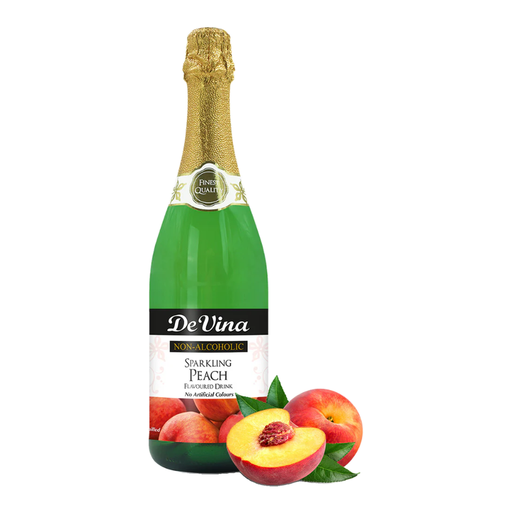 No image available
Choose this route if peach flavour and fizz are what you want, rather than a blended-fruit smoothie. The 750ml bottle is larger than a small single-serve pack, so check your intended serving and the current label.
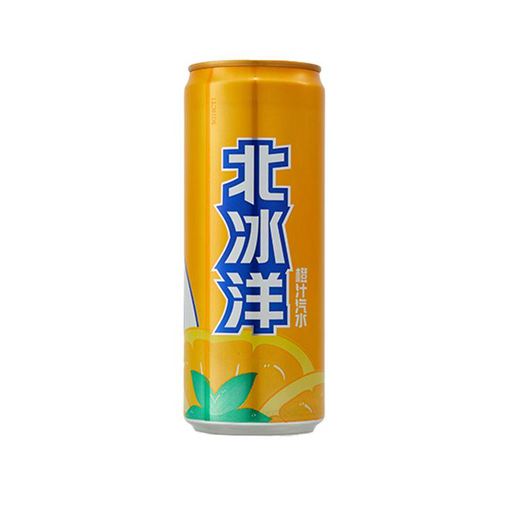 No image available
This 330ml orange soda fits a choice driven by fizz rather than smoothie texture. If the amount of orange juice matters to you, confirm the fruit proportion on the current pack; also compare sugars per 100ml.
Not necessarily. Tesco lists smoothies in a dedicated range, while the sparkling apple examples described by Sainsbury’s are juice products. Check the exact drink’s description and ingredients rather than using carbonation or fruit flavour to identify it as a smoothie.
No. NHS guidance limits fruit juice and smoothies to a combined 150ml a day. Check the bottle’s volume and decide how much you intend to drink; a larger pack does not increase that guidance.
No. A no-added-sugar claim is different from the sugars figure on the nutrition panel. Sainsbury’s describes Cawston Press Cloudy Apple as having no added sugar or sweeteners but lists 4.3g sugars per 100ml for that product.
Check whether it is sparkling juice or a juice drink, then compare the stated juice proportion, sugars per 100ml and pack volume. If what you wanted was a blended smoothie, choose from smoothie products instead of assuming a sparkling fruit drink has the same format.