Parents packing school-day drinks
A small smoothie may be easier to portion for a meal than a large bottle. If choosing a sparkling drink instead, check its ingredients and the school’s packed-lunch policy.


Choose a still smoothie when the aim is a portion-sized fruit drink with a meal; choose a sparkling fruit drink when fizz is the deciding factor, but check what the drink contains rather than treating it as a fizzy smoothie. The NHS advises limiting fruit juice and smoothies to a combined 150ml a day. For a school-day drink, pack size and the school’s packed-lunch policy also matter.
The useful format depends on whether the drink is going into a school bag, being shared at home or being chosen chiefly for its fizz.
A small smoothie may be easier to portion for a meal than a large bottle. If choosing a sparkling drink instead, check its ingredients and the school’s packed-lunch policy.
Carbonation is the starting point, but sparkling juice, fruit drinks and sparkling water are different products. Read the description and compare the sugars shown on their labels.
A larger chilled bottle can be poured into separate servings at home. Check how the particular drink must be stored and used after opening.
Decide whether you want a smoothie or a fizzy drink, then compare the serving format and the information on each pack.
| Priority | What to check | Your needs |
|---|---|---|
| Drink type | Read the product description and ingredients. Waitrose lists sparkling juice drinks separately from smoothies; the M&S sparkling apple drink contains carbonated spring water, apple juice from concentrate and sugar. | If I want fizz, a sparkling drink fits that preference; I would not assume it is a carbonated smoothie. |
| Smoothie portion | Check the volume of an individual bottle or the amount poured from a larger one. The NHS advises a combined daily limit of 150ml for fruit juice and smoothies. | For a school-day meal, I want a serving I can portion without treating a family bottle as one drink. |
| Pack and storage | Compare individual containers with larger chilled bottles, and read the storage and after-opening instructions on the chosen pack. | A small container suits a packed meal; at home, I may prefer to pour separate servings from one bottle. |
| Ingredients and sugars | Check the ingredients, the sugars figure and its stated measurement basis, alongside the amount in the container. Fruit imagery or a no-added-sugar claim does not describe every aspect of a drink. | I want to know what is in the drink before choosing between a smoothie and a sparkling option. |
Retailers list these as different drink types. For example, M&S describes its sparkling apple drink as carbonated spring water with apple juice from concentrate and sugar.
Choose by drink type first, then read the ingredients and nutrition panel of the particular product.
The NHS advises limiting fruit juice and smoothies to a combined 150ml a day; a 750ml bottle contains more than one such amount.
Pour a measured serving with a meal and follow the bottle’s storage instructions for the remainder. A 150ml multipack is another option when individual portions are useful.
A no-added-sugar claim does not change the NHS advice on juice and smoothie portions. Added vitamins likewise do not tell you the serving size or the full nutrition information.
Read the portion size, ingredients and nutrition panel before choosing a drink for the routine you have in mind.
These examples show how smoothie and sparkling-drink formats differ; each point applies to the named products or ranges, not everything a brand sells.
Makes fruit-and-veg smoothies, including children’s multipacks listed by Tesco.
Its listed own-label smoothie range includes a 750ml Mango Passion Fruit bottle.
Tesco describes Naked Green Machine as a 750ml fruit juice drink partially from concentrate with added vitamins.
Lists smoothies in 350ml and 750ml bottles separately from sparkling drinks.
Lists sparkling juice drinks separately from smoothies.
These are fizzy fruit-drink options for someone choosing carbonation rather than a still smoothie. Compare the container size and current pack label, and check the school’s packed-lunch policy if the drink is for school.
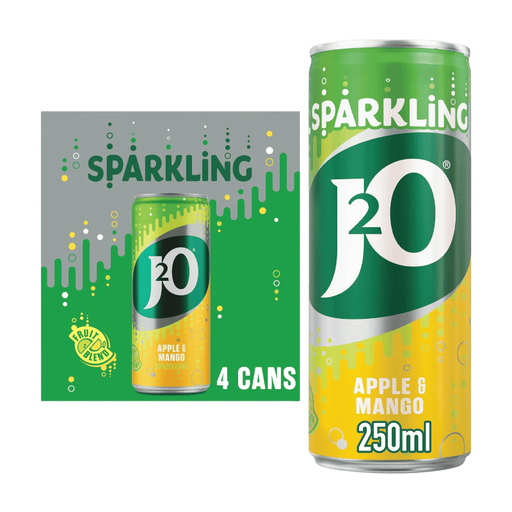 Image unavailable
A four-container sparkling option when fizz and individual 250ml containers suit the occasion. It is not a smoothie; check the ingredients and school policy before packing one for school.
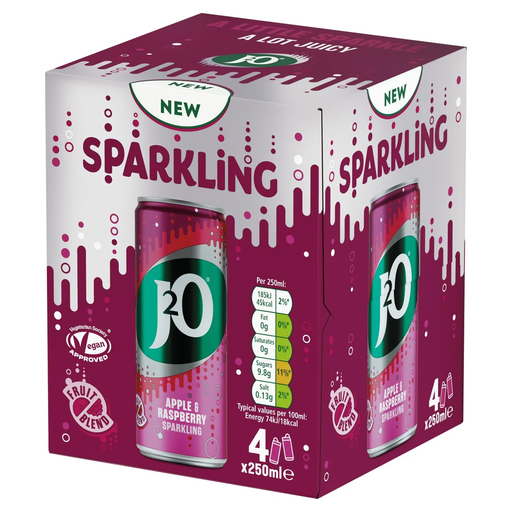 Image unavailable
This four-pack offers separate 250ml sparkling drinks in an apple-and-raspberry variant. It is a fizzy alternative, not a smoothie; read the current pack label and check any school rules on drinks.
 Image unavailable
The six separate 250ml containers suit someone seeking a sparkling apple-juice option rather than a smoothie. A whole container exceeds the NHS advised combined daily 150ml limit for fruit juice and smoothies, so consider the amount served.
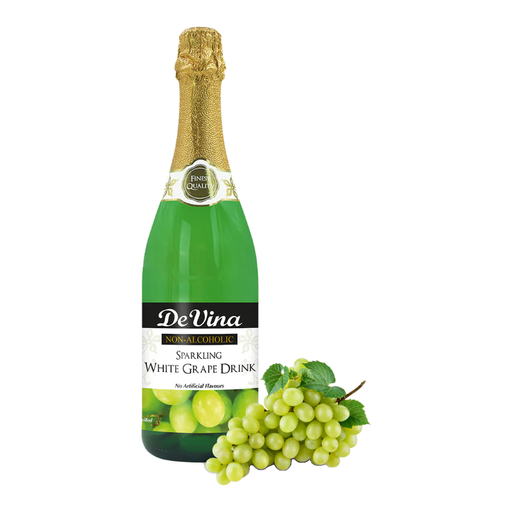 Image unavailable
This 750ml sparkling grape drink is a bottle to pour into separate servings rather than an individual school-bag container. Check the current ingredients, allergens and after-opening storage instructions on the label.
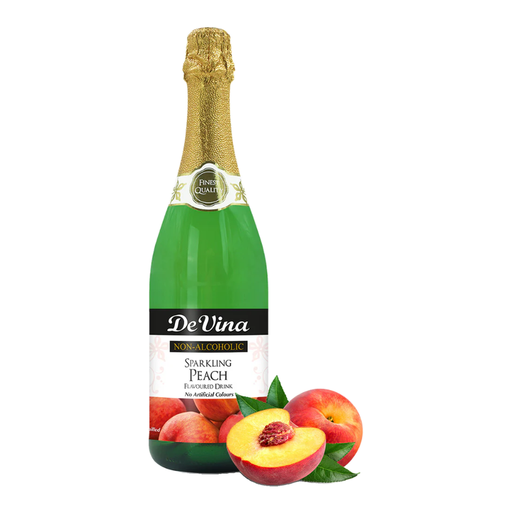 Image unavailable
The 750ml bottle offers a peach-flavoured sparkling drink to portion when serving. It is not a smoothie; read the current label for ingredients, allergens and storage instructions.
The NHS says 150ml of fruit juice or smoothie counts as a maximum of one 5 A Day portion, even if the drink contains several fruits or vegetables. It advises limiting fruit juice and smoothies to a combined 150ml a day.
No: sparkling apple drinks and smoothies are distinct product types. For example, M&S describes its sparkling apple drink as containing carbonated spring water, apple juice from concentrate and sugar; check the ingredients of the particular drink you are considering.
No. The NHS advises a combined daily limit of 150ml for fruit juice and smoothies and explains that crushing fruit releases sugars. Check the serving size even when a smoothie carries a no-added-sugar claim.
Check the individual school’s packed-lunch policy before packing one, particularly if it has rules about fizzy drinks. Also read the container size and ingredients so you know what you are sending.
Follow that bottle’s label. For example, Tesco’s Naked Green Machine listing instructs customers to refrigerate it and consume it within five days of opening; do not assume the same instruction applies to every smoothie.