Travellers who want fruit flavour and fizz
A sparkling juice or fruit drink fits when carbonation matters more than a thick texture. Check the individual container size and its handling instructions before packing it for a train journey.


Choose a still smoothie if you want a drink made from crushed fruit and vegetables; choose a sparkling fruit drink if fizz matters more than smoothie texture. For a train journey, compare the individual serving size, sugars and opening instructions rather than assuming that a fruit-flavoured drink offers both.
A sparkling juice or fruit drink fits when carbonation matters more than a thick texture. Check the individual container size and its handling instructions before packing it for a train journey.
Look for a drink described as a smoothie made from crushed fruit or vegetables, rather than a carbonated fruit drink. Tesco and Sainsbury's list smaller Innocent smoothies alongside larger bottles, so check the size you intend to carry.
Compare sugars per 100ml as well as the amount in the container: a no-added-sugar claim does not state the drink's total sugars. The NHS advises limiting fruit juice and smoothies to a combined 150ml a day; a larger bottle is not the same as that guidance amount.
Choose it when: You want crushed fruit-and-vegetable texture rather than carbonation.
Bear in mind: A smoothie will not provide fizz, and its bottle may contain more than the NHS's 150ml combined daily guidance amount for juice and smoothies.
Choose it when: Fizz is the priority and you are happy to select a juice or fruit drink rather than a smoothie.
Bear in mind: Juice content, sugars and handling instructions differ between products; the name alone does not settle those checks.
| Priority | What to check | Your needs |
|---|---|---|
| Drink type | Read the product description and ingredients. Check whether it says smoothie, carbonated juice, fruit drink or fermented tea. | I want a smoothie's crushed-fruit texture, or I would rather have fizz. A fruit flavour alone does not tell me which drink I am buying. |
| Container | Compare the size of one can or bottle, not just the multipack. Check whether the individual container can be closed again if you plan to save some. | A smaller individual drink may be easier for me to carry on a short journey; if I expect to put it away after opening, the closure matters too. |
| Ingredients and sugars | Compare juice content and sugars per 100ml on the current label. For juice or smoothies, note that the NHS advises a combined limit of 150ml a day. | I do not want to mistake 'no added sugar' for a statement about total sugars, or assume that a whole bottle equals the NHS guidance amount. |
| Opening and suitability | Read any shake, pressure and opening instructions. For fermented drinks, check the alcohol statement and other ingredient information on the pack. | If I may open the drink in a moving carriage, I need instructions for that particular product. I also want to check its ingredients before travelling. |
UK retailer listings distinguish still smoothies from sparkling juices and fruit drinks. One may have the texture you want without fizz; the other may provide fizz without smoothie texture.
Use the product description and ingredients to identify the drink type before choosing a flavour.
Coca-Cola Great Britain lists sugars in Appletiser even though it describes the drink as having no added sugar. The two statements measure different things.
Compare the current nutrition panel per 100ml and consider how much of the container you intend to drink.
Waitrose & Partners describes its 420ml Orangina as best served shaken, while M&S says its pressurised Raspberry Kombucha should not be shaken.
Follow the instructions on the specific container and take care when opening a carbonated drink in transit.
M&S states that its Raspberry Kombucha contains trace amounts of alcohol. It is fermented tea, not a smoothie or fruit juice.
If alcohol content or an ingredient affects your choice, read the current pack before travelling.
These names help distinguish supermarket smoothie ranges from sparkling-drink options; they do not all describe products of the same type.
A reference point for still fruit-and-vegetable smoothies, including smaller bottles listed by UK supermarkets.
A still-smoothie reference for shoppers considering a larger fruit-and-vegetable drink.
A retailer whose smoothie range can be used to compare different bottle sizes and brands.
A retailer listing both own-label smoothies and smaller branded smoothie bottles.
A retailer reference for sparkling juice and fruit drinks rather than smoothie texture.
A reference for a lightly sparkling fruit-flavoured kombucha if fermented tea is what you want.
These are fruit-flavoured drinks and sparkling juice options for the fizzy side of the train-journey choice. If you want a still smoothie instead, check a product described as a smoothie rather than treating these drinks as substitutes.
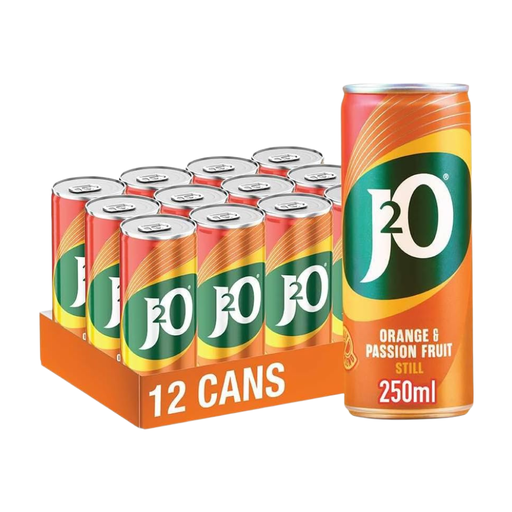 No image available
The 250ml units offer an individual portion to pack for a journey. Check the current label for the drink type and handling instructions if fizz or opening it in transit is central to your choice.
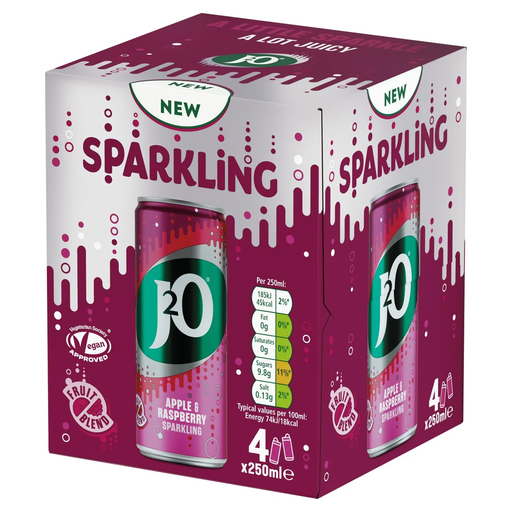 No image available
A sparkling apple-and-raspberry drink in four 250ml units for the fizzy-drink route, rather than a smoothie. Read the container's opening instructions before drinking it on the train.
 No image available
Choose this route if you want sparkling apple juice rather than smoothie texture. Joybuy describes the drink as 100% carbonated apple juice from concentrate and lists 26g sugars per 250ml serving; check the current pack if you are comparing nutrition values.
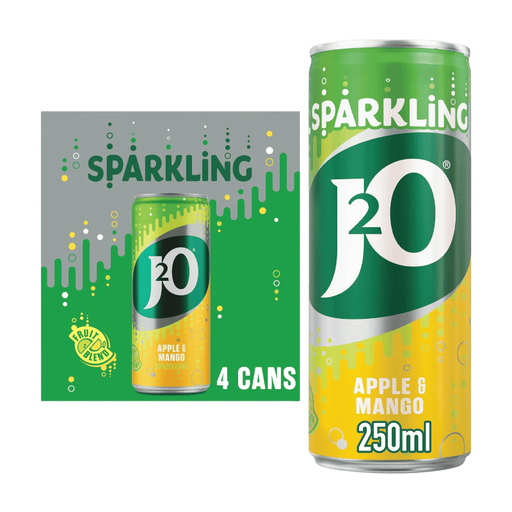 No image available
A sparkling fruit drink in four 250ml units if fizz and an individual portion matter more than smoothie texture. Check the current pack's ingredients and advice for an opened drink before deciding whether it suits your journey.
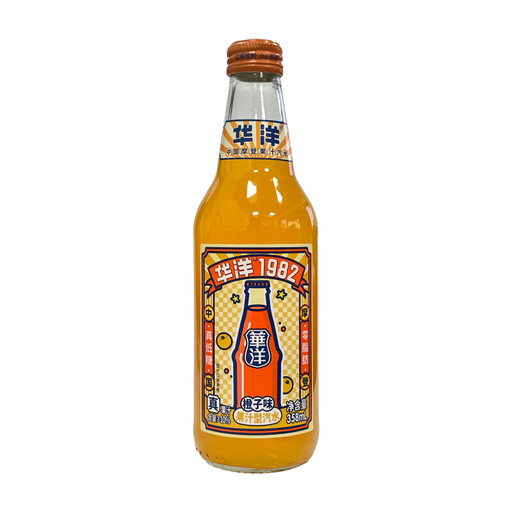 No image available
The stated 358ml unit is an orange-flavoured soda-drink option rather than a smoothie. If juice content or saving some for later matters, check the current label and container before buying.
No. Tesco and Sainsbury's list smoothies separately from the sparkling juices and fruit drinks listed by Waitrose & Partners. Choose by the description and ingredients: crushed fruit-and-vegetable texture and carbonation are different reasons to buy.
Check the size of each individual can or bottle and whether you will finish it or need to close it again. The options here include 250ml and 358ml units; for juice and smoothies, the NHS advises a combined limit of 150ml a day, which is smaller than either container size.
No: it does not state the total sugars. Coca-Cola Great Britain lists sugars in Appletiser despite its no-added-sugar description. Read the nutrition panel per 100ml and for the amount you plan to drink.
Follow that product's instructions, not a general rule. Waitrose & Partners describes its 420ml Orangina as best served shaken, while M&S says its pressurised Raspberry Kombucha must not be shaken and should be opened with care.
Consider the type of drink and how much you intend to have. The NHS advises having juice and smoothies at mealtimes; Lancashire and South Cumbria Integrated Care Board notes that fizzy drinks are acidic, including versions without sugar.