People taking breakfast on the move
A small bottle is easy to carry, but check how much you would drink and what else you plan to have for breakfast. A fruit drink alone does not tell you how much protein or fibre your breakfast contains.


For a quick breakfast, choose a fruit smoothie if you want a fruit-based drink, or compare fibre- and protein-added variants if either nutrient matters to your choice. If avoiding sugars is the priority, look at sugar-free drinks instead: ‘no added sugar’ does not mean zero sugar. Check the nutrition panel per 100ml and per bottle, and bear in mind the NHS guidance to limit juice and smoothies to a combined 150ml a day.
A small bottle is easy to carry, but check how much you would drink and what else you plan to have for breakfast. A fruit drink alone does not tell you how much protein or fibre your breakfast contains.
If you are looking for a sugar-free drink, read the ‘of which sugars’ figure. A fruit smoothie can contain sugars from fruit even when its label says ‘no added sugar’.
Look at the stated amount per serving and the serving size, alongside sugars. A fibre-added or protein-added smoothie is a different choice from a standard fruit blend, but neither name tells you its total sugar content.
Start with the type of drink you want, then compare its nutrition figures and the amount you would actually consume.
| Priority | What to check | Your needs |
|---|---|---|
| Sugars | Read ‘of which sugars’ per 100ml and for the amount you would drink. Check the ingredient list as well as any ‘no added sugar’ wording. | If I need a sugar-free drink, a no-added-sugar fruit smoothie is not a substitute without checking its total sugars. |
| Breakfast ingredients | Compare protein and fibre per stated serving, noting the serving size. Check whether additions such as oats, yoghurt or pea protein suit your preferences. | I want to know what the drink contributes alongside the rest of my breakfast, rather than choosing it for its fruit flavour alone. |
| Portion size | Compare bottle size with the amount you intend to drink. The NHS advises limiting fruit juice, vegetable juice and smoothies to a combined 150ml a day. | A larger bottle is convenient to keep at home, but I do not want its pack size to decide my portion. |
| Dietary fit | Check the exact variant’s ingredients and dietary statement; a flavour name does not establish its full composition. | If I choose vegan products or avoid a particular ingredient, I need to check the individual drink rather than assume the whole range is alike. |
Sugars naturally present in fruit can still appear in a no-added-sugar smoothie.
Use the nutrition panel’s ‘of which sugars’ figure to compare drinks per 100ml and for the amount you expect to drink.
A bottle can hold more than the NHS combined daily guidance of 150ml for juice and smoothies.
Decide how much you will drink before choosing a single bottle or pouring from a larger one.
A standard fruit smoothie and a protein- or fibre-added variant can make different contributions to a breakfast.
Compare the nutrients stated per serving and consider what other food you will have with the drink.
A larger bottle may need to be used over several occasions. Marks & Spencer instructs shoppers to drink its 750ml Strawberry and Banana Smoothie within four days of opening.
Check the instructions on your chosen bottle and pick a size you can use within its stated period.
A bottle left unfinished beyond its labelled opened-life period may be wasted.
These examples show different smoothie formats and ingredients; check the exact product label before applying a range description to a bottle.
Innocent has fruit smoothie listings in both single-bottle and larger formats.
Naked has smoothie variants labelled for particular fibre or protein content.
Tesco lists own-label 750ml smoothies alongside branded drinks.
Sainsbury's lists own-label fruit smoothie flavours in 750ml bottles.
Marks & Spencer lists Strawberry and Banana Smoothie in 350ml and 750ml formats.
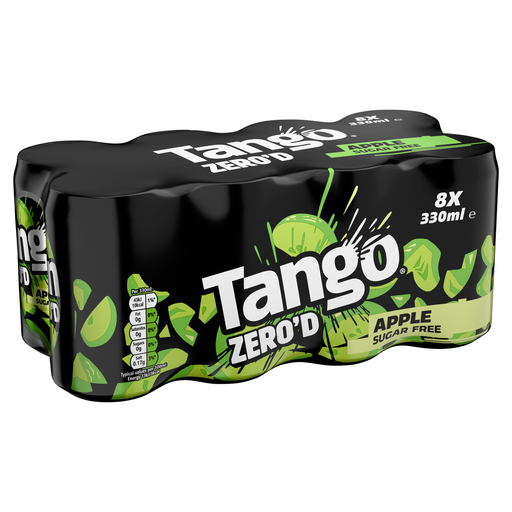
This carbonated apple-flavoured drink represents the sugar-free alternative to a fruit smoothie, not a fibre- or protein-added breakfast smoothie.
 No image available
Consider this ready-to-drink option if you want a sugar-free alternative rather than a fruit smoothie. It is a carbonated soft drink supplied as eight 330ml cans; if protein or fibre matters to your breakfast choice, check the current label.
No. A smoothie can contain sugars from fruit without added sugar. Check ‘of which sugars’ on the nutrition panel if total sugars matter to your choice.
A smoothie can be a convenient part of breakfast, but its fruit content alone does not describe the balance of the meal. Compare protein and fibre per serving if those are priorities, or consider what food you will have alongside it.
The NHS advises limiting fruit juice, vegetable juice and smoothies to a combined 150ml a day. Compare that amount with the bottle size rather than treating the whole bottle as one portion.
A small bottle is easier to take with you; a 750ml bottle may suit several planned servings if you can follow its storage instructions. Check the label for directions after opening: Marks & Spencer says to drink its 750ml Strawberry and Banana Smoothie within four days.