People with diabetes who want a fizzy drink
If carbonation matters more than smoothie texture, compare sparkling drinks by sugars and carbohydrate per 100ml, then check the amount you expect to drink.


If you want a fizzy, fruit-flavoured drink while managing diabetes, compare sugar-free sparkling options rather than treating a smoothie as a sparkling or sugar-free drink. If you specifically want a smoothie, check the carbohydrate and sugars in the portion you drink: Diabetes UK says sugars in smoothies count as free sugars, and the NHS advises limiting fruit juice and smoothies to a combined 150ml a day.
If carbonation matters more than smoothie texture, compare sparkling drinks by sugars and carbohydrate per 100ml, then check the amount you expect to drink.
A smoothie can remain a choice when you want one, but its portion and carbohydrate need to fit your individual eating plan. Diabetes UK notes that smoothie sugars count as free sugars.
Fruit ingredients, added vitamins and a no-added-sugar claim do not tell you how much sugar is in the drink. Read the nutrition panel and ingredients list alongside the front of the pack.
Decide whether you want a smoothie or a carbonated drink, compare labels per 100ml, then consider the amount you will actually pour or open.
| Priority | What to check | Your needs |
|---|---|---|
| Sugars and carbohydrate | Compare both figures per 100ml, then check the planned portion. Tesco Groceries lists 11g sugars and 12g carbohydrate per 100ml for Naked Blue Machine, versus less than 0.5g of each per 100ml for Activit Tropical. | I want to compare drinks on the same basis before working out what the amount I drink means for my eating plan. |
| Fizz or smoothie texture | Check whether the drink is described as carbonated water, a sparkling fruit drink or a smoothie made with fruit juice or purée. A fruit flavour does not establish the drink type. | For a fizzy drink, I would look at sparkling options; when I want a smoothie, I would choose one for that reason rather than expect carbonation. |
| No-added-sugar claims | Read the nutrition panel even when the pack says no sugar has been added. Waitrose & Partners lists 9.5g sugars per 100ml for Innocent Berry Defence despite its no-added-sugar wording. | I want to know the sugars in the drink itself, not just whether sugar was added during production. |
| Smoothie portion | Check the serving size and servings per bottle. The NHS advises a combined maximum of 150ml a day for fruit juice and smoothies; the cited Innocent 750ml bottle lists five 150ml servings. | If I choose a smoothie, I would measure the amount I pour rather than treat a large bottle as one serving. |
| Ingredients | Check for juice, purée and sweeteners if those distinctions matter to you. Tesco Groceries describes Activit Tropical as flavoured carbonated spring water with sweetener, not a smoothie. | I may prefer fruit ingredients or may want to know which sweeteners a sparkling drink contains. |
A smoothie can contain sugars from its fruit ingredients. Waitrose & Partners lists 9.5g sugars per 100ml for Innocent Berry Defence, which says no sugar is added.
Check sugars and carbohydrate per 100ml and in the amount you intend to drink.
The cited 750ml Innocent smoothie contains five 150ml servings. The NHS advises limiting fruit juice and smoothies to a combined 150ml a day.
Measure the portion you pour and follow the pack's storage instructions for the remainder.
Tesco Groceries lists 13.4g sugars per 100ml for K.A. Sparkling Fruit Punch, compared with less than 0.5g per 100ml for Activit Tropical. These are product-specific figures, not a rule for every fizzy drink.
Compare the nutrition panels per 100ml rather than choosing by fruit flavour or carbonation alone.
These named drinks illustrate different product types; each label applies to the particular product and variant cited.
Berry Defence is a fruit smoothie for shoppers who want a smoothie rather than fizz.
Blue Machine is a juice-based smoothie option, not a sparkling drink.
The cited Tropical drink is fruit-flavoured carbonated spring water, not a smoothie.
The cited White Grape drink is a sparkling fruit drink with sweetener, rather than a smoothie.
These Joybuy choices are carbonated, fruit-flavoured drinks for the sparkling side of the decision. They are not substitutes for a smoothie when you specifically want one; compare their individual labels before choosing.
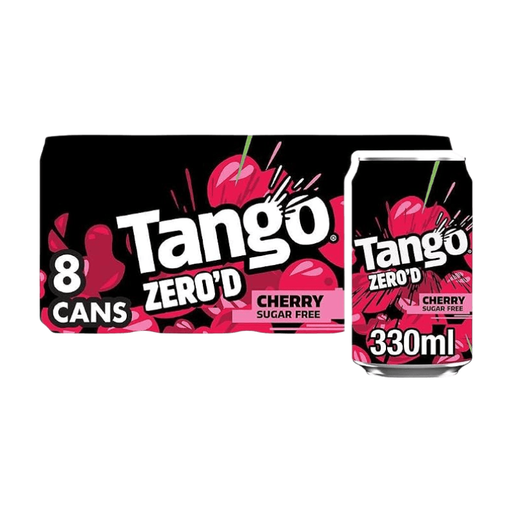 No image available
A carbonated cherry drink for someone seeking fizz rather than smoothie texture. The listed nutrition gives 0g sugars and 0.5g carbohydrate per 100ml, or 1.7g carbohydrate per 330ml can. Its listed ingredients include 5% fruit juices from concentrate, sucralose and acesulfame K.
 No image available
This carbonated lemonade-style drink is an option when you want fizz rather than a smoothie. Its listed nutrition gives 0g sugars and 0g carbohydrate per 100ml. The listed sweeteners include aspartame, sucralose and acesulfame K; check the pack if ingredients matter to you.
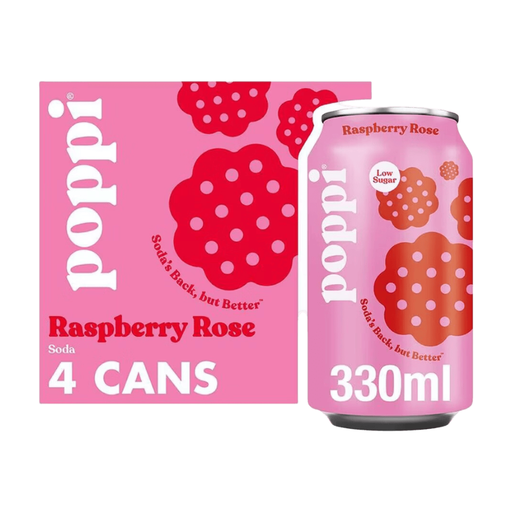 No image available
This carbonated fruit-juice drink offers a sparkling option, but it is not sugar-free. Its listed nutrition gives 1.3g sugars and 1.6g carbohydrate per 100ml; compare those figures with the amount you plan to drink. The listed ingredients include 5.5% fruit juices and steviol glycosides.
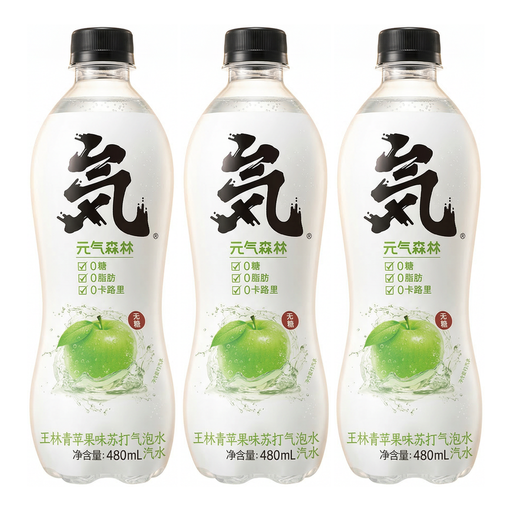 No image available
This carbonated, green-apple-flavoured drink is for a sparkling choice rather than a smoothie. Its listed nutrition gives 0g carbohydrate per 100ml. Check the current pack for sweeteners before buying: listed ingredients include sucralose and acesulfame potassium despite a no-artificial-sweeteners description.
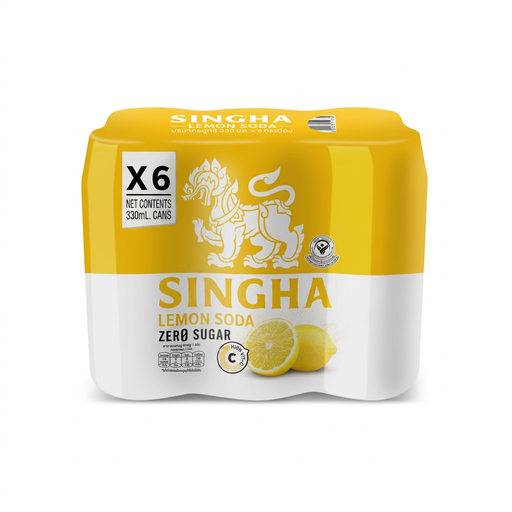 No image available
This carbonated lemon soda is a citrus-flavoured sparkling option, not a smoothie. Its listed ingredients include lemon juice concentrate, sucralose and acesulfame-K. The available nutrition figures are stated per 100g rather than per 100ml, so check the pack's units before comparing it directly with other drinks.
No: the smoothies discussed here are fruit-based drinks, while the sparkling options are carbonated. If you want fizz, compare sparkling drink labels; if you want a smoothie, account for its portion and carbohydrate. Diabetes UK says sugars in smoothies count as free sugars.
No. The cited Innocent Berry Defence smoothie says no sugar is added, but Waitrose & Partners lists 9.5g sugars per 100ml. Check the nutrition panel rather than relying on that phrase alone.
The NHS advises limiting fruit juice and smoothies to a combined total of no more than 150ml a day. Check how many servings a bottle contains and account for the amount you actually drink in your individual eating plan.
Compare sugars and carbohydrate per 100ml first, then check the amount in your planned portion. Read the ingredients as well if juice, purée or sweeteners affect your choice; check the stated units before comparing two nutrition panels.