Occasional car boot sale hosts
Count the portions that can be handed out without opening them. Keep the outer pack as well as the wrappers available wherever it carries ingredient or allergen information.


For car boot sale refreshments, choose by the number of sealed portions you can hand out, not just the bar count printed on the box: a pack of 20 bars may contain 10 twin portions. Keep the original packaging available so people can check ingredients and allergens, and compare dietary claims against the exact flavours you plan to offer. If selling food regularly or repackaging bars, check the requirements that apply to your activity with your local authority before the event.
The right pack depends on whether you need several sealed handouts, particular dietary options or a smaller selection for known recipients.
Count the portions that can be handed out without opening them. Keep the outer pack as well as the wrappers available wherever it carries ingredient or allergen information.
Check each flavour separately. A bar described as vegan or gluten-free can still contain nuts; those claims do not establish suitability for someone with a nut allergy.
Compare the stated protein amount per bar and the pack count with the number of people you expect to serve. Check allergens too: Nature Valley’s peanut protein bar, for example, contains peanut, soya and milk, according to Nature Valley UK.
Start with the sealed handout size, then check the label for every flavour. Consider how the bars will be offered before opening or repacking any food.
| Priority | What to check | Your needs |
|---|---|---|
| Sealed portions | Compare the bar count with the number of separately packaged portions. Nature Valley UK describes its 20-bar Crunchy Variety Family Pack as 10 two-bar portions; compare nutrition for the 42 g twin portion if that is what you will hand out. | I want enough sealed refreshments for the people I expect, without counting a twin portion as two separate handouts. |
| Ingredients and allergens | Read the exact flavour labels and any information on the outer pack. Check ingredients and allergen statements before offering bars to people with dietary restrictions; do not treat a range-wide claim as a label for every variant. | People choosing a bar should be able to inspect its ingredient and allergen information, particularly where nuts, milk, soya or cereals matter. |
| Dietary claims and nutrition | Check vegan, gluten-free or dairy-free wording on the exact pack. Compare sugars, fibre and protein using the labelled serving size; a 35 g single bar and a 42 g twin portion are different handouts. | I may want a particular dietary option or portion size, but I do not want a “protein” or “no added sugar” claim to stand in for the full label. |
| How food is offered | Decide whether bars will remain manufacturer-prepacked or be opened and repackaged. GOV.UK and Food Standards Scotland set out labelling requirements for food businesses selling prepacked-for-direct-sale food; the local authority can advise how registration rules apply to your activity. | If I plan to sell food regularly or change its packaging before sale, I need to check the applicable requirements before the event. |
Nature Valley UK lists its Crunchy Variety Family Pack as 20 bars arranged in 10 twin portions. Handing out unopened twin portions gives you 10 sealed handouts, not 20.
Check the packaging arrangement as well as the headline count, then choose a format that matches the portions you intend to offer.
Fruit-and-nut bars can be marketed as vegan and gluten-free while still containing nuts. Other bars in this category list ingredients such as peanuts, milk and soya.
Keep the exact product’s label available and let recipients check it. Do not describe a bar as suitable for a particular allergy unless its current label supports that description.
Serving sizes and recipes vary. In its November 2025 review of 458 snack bars from 10 major retailers, Action on Salt & Sugar classified 37% as high in sugars; that category figure does not describe every bar.
Compare the “of which sugars”, fibre and protein figures for the portion you will actually hand out, alongside its ingredients.
For a food business, packaging food before it is selected or ordered at the place where it is sold can bring it within prepacked-for-direct-sale labelling rules. GOV.UK and Food Standards Scotland describe requirements for the food name, full ingredients list and emphasised allergens.
If you intend to split, wrap or relabel bars, ask the relevant local authority which food-business and labelling requirements apply to your activity before the sale.
These examples show formats and label details worth comparing; a brand’s range description does not replace the information on a particular pack.
Graze describes snacks made with ingredients including wholegrains, fruit and nuts, and says all its snacks are vegetarian and most are vegan.
Nature Valley UK lists a Crunchy Variety Family Pack of 20 bars arranged as 10 twin portions in three flavours.
Alpen Light Chocolate & Fudge is a 19 g cereal bar; Weetabix Cereals lists 65 kcal and 4.2 g fibre per bar.
Morrisons lists an Eat Natural Salted Caramel & Nuts three-pack with each bar individually wrapped.
Ocado lists a nākd. fruit-and-nut variety box containing 18 × 35 g bars across six flavours, described as vegan, gluten-free and dairy-free.
TREK describes its Protein Flapjacks as providing 9 g plant-based protein and its High Protein bars as providing 15 g; it describes all TREK bars as plant-based.
These packs offer chocolate, cereal and oat-bar formats to consider for car boot sale refreshments. Compare their stated pack sizes with the sealed portions you need, and check the current labels before offering them to others.
 No image available
A single-flavour chocolate wafer pack for a host planning around 12 bars. The product information lists milk, wheat and soya, and says the bars may contain nuts; check the delivered label before offering them to anyone with allergies.
 No image available
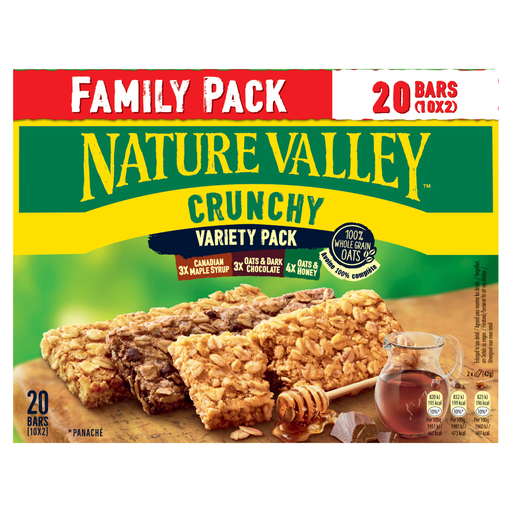
The pack contains 10 twin-bar portions across three flavours, so plan for 10 unopened handouts rather than 20. Nature Valley UK lists oats and soya, with possible wheat, peanuts and nuts; check the current packaging for each flavour.
 No image available
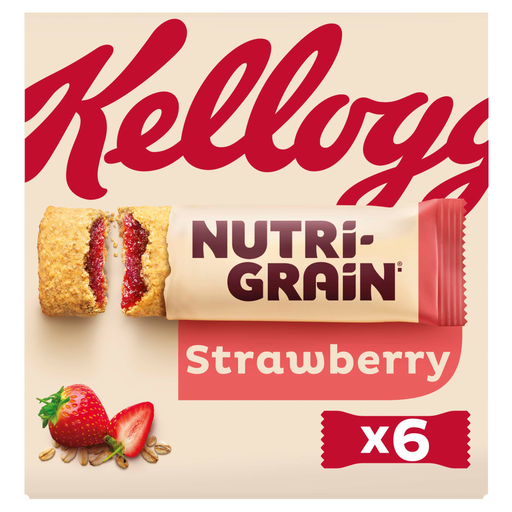
A six-bar strawberry option if you need a smaller pack. The product information describes a soft-baked bar with fruit filling and lists wheat, soya and milk, with possible tree nuts; check the current label before sharing.
 No image available
This six-bar pack gives a stated portion size of 21.5 g per bar. Its product information lists wheat, barley, oats, milk and soya; use the current wrapper to check ingredients and nutrition for the portion offered.
 No image available
A confectionery-bar option whose title states a six-pack; confirm the pack count on the product packaging before planning handouts. The product information lists hazelnuts, milk, soya and wheat, so keep its allergen label available.
Yes. Keeping bars manufacturer-prepacked helps preserve access to their ingredient and allergen information; retain the outer packaging too if it carries details needed to understand the individual bars. GOV.UK guidance for England, Northern Ireland and Wales and Food Standards Scotland guidance address the availability of allergen information when food is offered.
If a food business packages food at the place where it is offered or sold before a customer selects or orders it, the food can fall under prepacked-for-direct-sale rules. GOV.UK guidance for England, Northern Ireland and Wales and Food Standards Scotland guidance require applicable PPDS food to carry its name and a full ingredients list with allergens emphasised. Check how the rules apply before changing the packaging.
That depends on whether the activity is a food business and how it is organised. GOV.UK says a local authority may decide that very limited, infrequent activity does not need registration; the Food Standards Agency says a new food business should register at least 28 days before trading. Food Standards Scotland says occasional provision is unlikely to need registration, while food businesses must register at least 28 days before opening. Ask the relevant local authority about your plans.
Not automatically. Ocado describes the nākd. Fruit & Nut Bars Variety Pack as vegan and gluten-free, but those descriptions do not remove its nut ingredients. Check the delivered wrapper and allergen statement for the exact flavour rather than relying on a separate dietary claim.
Read the “of which sugars” figure for the portion you will hand out, and check its serving size and ingredients. Nature Valley UK gives nutrition for a 42 g two-bar portion in its Crunchy Variety Family Pack, whereas Ocado lists the nākd. variety flavours as 35 g bars; comparing their per-serving figures without noting those different portions would be misleading.