Runners considering a pre-run snack
If you want something portable before a 5k, start with your usual eating schedule and a portion you know you tolerate. The UK Sports Institute describes a wide range of pre-event eating times among athletes.


For a snack before a 5k, choose a portion you have tolerated in training and check how it fits around your usual meals. A shareable oat-bar multipack gives runners separate portions, while nut and protein bars have different carbohydrate, fat and fibre amounts to consider; the UK Sports Institute notes that pre-event eating times vary between athletes.
If you want something portable before a 5k, start with your usual eating schedule and a portion you know you tolerate. The UK Sports Institute describes a wide range of pre-event eating times among athletes.
Separate portions make a pack easier to divide, but count servings as well as bars. Nature Valley UK lists its Crunchy Oats & Honey Family Pack as 20 portions, with two bars in each 42 g portion.
Check each person’s requirements against the current wrapper, including ingredients and precautionary allergen wording. A vegan or gluten-free description does not establish whether a bar contains peanuts or carries a nut warning.
Choose the portion and pack format first, then compare the label for that serving and decide when you would eat it.
| Priority | What to check | Your needs |
|---|---|---|
| Carbohydrate per portion | Read the carbohydrate value for the amount you would eat, not just per 100 g. Nature Valley UK lists 27 g carbohydrate for a two-bar, 42 g serving of its Crunchy Oats & Honey Family Pack. | I want a compact snack before a run, rather than choosing a pack solely because it contains protein. |
| Timing and tolerance | Compare fat and fibre per serving, then try the exact bar and portion in training. The UK Sports Institute describes different pre-event eating times among athletes. | A bar that suits me earlier in the day might not be what I want shortly before running. |
| Pack and serving count | Check the number of bars, the stated serving size and whether a serving contains more than one bar. Compare these with the number of people or snack occasions. | There should be enough separate portions to share without mistaking a bar count for a serving count. |
| Ingredients and allergens | Read the current pack’s ingredient list and any ‘may contain’ statement. Check dietary descriptions separately from peanut, tree-nut, soya, milk and gluten information. | When I am sharing a pack, each runner needs a bar that fits their own ingredient and allergen requirements. |
Bars with similar purposes can have quite different serving profiles. Tesco lists 9.5 g fat and 6.8 g fibre per 45 g Nākd Peanut Butter Protein bar; Eat Natural lists 14.5 g fat per 40 g Peanuts & Dark Chocolate Protein bar.
For a pre-run snack, compare carbohydrate, fat and fibre for the portion you plan to eat, and try that portion in training before relying on it for an event.
Nature Valley UK describes its Crunchy Oats & Honey Family Pack as 20 servings of two bars each. The number of bars alone would give a different impression of how many portions it provides.
Check the serving definition on the particular pack before dividing it among runners.
A vegan or gluten-free description does not answer every allergy question. Tesco lists peanuts as an ingredient in Nākd Peanut Butter Protein Bars, while Nature Valley UK warns that its cited family pack may contain soy, wheat, peanuts and tree nuts.
Check the current wrapper for each bar you share, including its ingredients and ‘may contain’ wording.
These brand examples show different bar formats and serving profiles; the figures apply to the named products, not every bar from each brand.
Nature Valley UK lists Crunchy oat bars alongside other bar ranges.
Graze’s Cocoa Vanilla Oat Boosts offer a smaller flapjack format, listed by Tesco as four 30 g bars.
Nākd has fruit-and-nut bars, including the Peanut Butter Protein multipack listed by Tesco as three 45 g bars.
Eat Natural’s Peanuts & Dark Chocolate Protein Bar is a nut-and-soya-crispie option.
Trek Protein Flapjack is an oat-flapjack option to assess by its particular serving label.
These multipacks offer different bar sizes and flavours for individual snacks or sharing. Check each product’s current serving and allergen information before choosing one for a 5k.
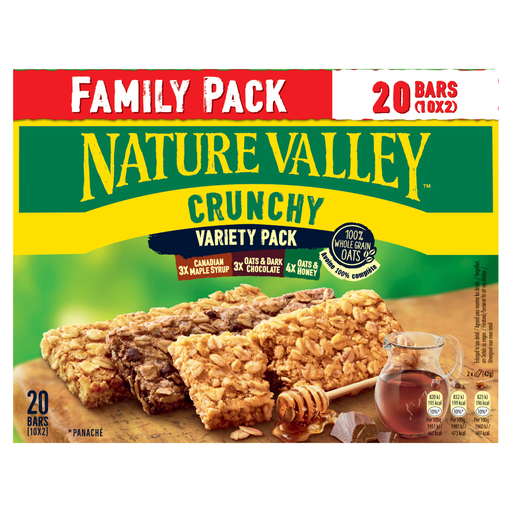 No image available
The 10 x 42 g format offers separate portions for sharing. As a variety pack, it calls for a check of each bar’s wrapper when flavours or allergen requirements matter.
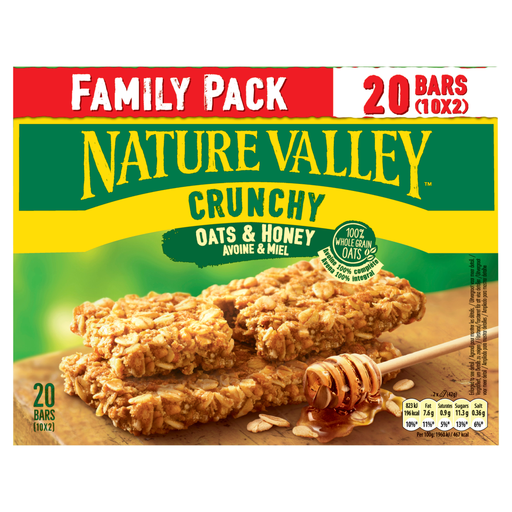 No image available
This oat-bar pack is listed as 20 bars weighing 420 g in total. Check its stated serving size rather than treating the bar count as the number of servings, and read the pack’s allergen wording before sharing.
 No image available
Four 35 g fruit-and-nut bars give you a different format from the oat-bar packs. If you plan to eat one before running, check this flavour’s serving label and ingredients and try the portion in training.
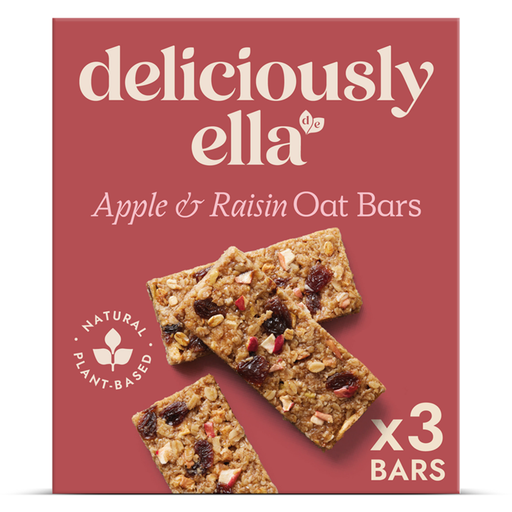 No image available
This three-pack contains 50 g oat bars, a larger stated bar size than the 30 g and 35 g options here. Decide whether that portion fits your pre-run timing, and check the current ingredients and allergen statement.
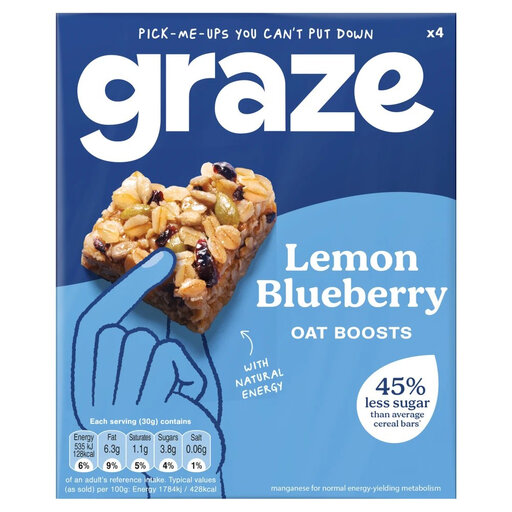 No image available
The four 30 g oat bars offer smaller stated portions for individual snacks or a small group. Read this flavour’s own nutrition and allergen label; values for other Oat Boosts flavours should not be assumed to apply.
No single pre-run snack schedule suits everyone. The UK Sports Institute describes athletes eating at different times before competition, so consider your usual meals and whether you have tolerated the bar and portion in training.
Start with the serving you would actually eat, then compare its carbohydrate, fat and fibre values alongside the ingredients and allergens. For illustration, Nature Valley UK lists 27 g carbohydrate and 7.6 g fat per two-bar serving of its cited Crunchy Oats & Honey Family Pack; Tesco lists 15 g carbohydrate, 9.5 g fat and 6.8 g fibre per Nākd Peanut Butter Protein bar. Check the values on the particular pack you buy.
No. Those descriptions do not mean a bar is free from peanuts or other relevant allergens. Check each current pack’s ingredients and precautionary statements against the requirements of the person who will eat it.
Do not assume the distance alone calls for a bar during the run. The UK Sports Institute describes compact carbohydrate foods as options around exercise, but whether and when to eat one depends on your prior food intake, the event and what you have found workable in training.