What should you check?
Start with the ride and the portion you expect to eat, then consider how the bars will be carried and whether everyone sharing them can use that exact product.
| Priority | What to check | Your needs |
|---|
| Carbohydrate per portion |
Read carbohydrate per bar or paired portion, not just per 100g. For longer rides, account for drinks and other food as well as bars; British Cycling advises taking carbohydrate in smaller, regular feeds on big rides. |
For a longer outing, I want to know what one planned feed contributes rather than rely on a protein claim or the number of bars in the box. |
| Pack and wrapper format |
Count individual bars and paired portions, and check their weights and wrappers. Nature Valley UK lists 20 bars as 10 two-bar portions in its Crunchy Variety pack; Sainsbury’s lists four individually wrapped 25g Eat Natural Apple bars. |
If I am packing several stops or sharing with a group, I need enough separate portions in a format I can carry. |
| Eating during the ride |
Consider bar size and texture, and whether you can handle the wrapper. Choose a safe place to stop if opening or eating a bar would distract you from controlling the bike. |
A bar that fits a pocket still needs to be practical to open and eat when I take a break. |
| Ingredients and labels |
Check the current ingredients, allergens and precautionary statements for the exact flavour. Compare nutrition on the same basis—per bar, per paired portion or per 100g—and read total sugars and carbohydrate separately. |
Before I share a pack, I want to check each rider’s allergen requirements; a vegan or gluten-free claim alone does not settle those questions. |
Brand and product-line references
These examples describe particular product lines and pack formats, not a judgement about every bar made by each brand.
Nature Valley
Nature Valley UK lists a Crunchy Variety pack containing 20 bars arranged as 10 two-bar portions.
- Its stated two-bar, 42g portion contains 27g carbohydrate, giving a clear portion figure to compare with a ride plan.
- Check the current pack’s ingredient and allergen information before carrying or sharing it.
TREK
Tesco lists TREK Peanut Butter Protein Flapjacks as a three-pack of 50g bars.
- The listing states 9g plant protein per flapjack and describes that product as vegan and gluten-free.
- Use the exact flavour’s carbohydrate figure before deciding how it fits into longer-ride food planning; a protein figure is not a substitute for it.
nakd.
Tesco lists nakd. Peanut Butter Protein Bars in a three-pack of 45g bars.
- The listing gives 15g carbohydrate and 7.6g protein per 45g bar.
- This is a peanut product. Check its complete current allergen statement before buying or sharing.
Eat Natural
Sainsbury’s lists an Eat Natural Apple Soft Fruit Bar four-pack with individually wrapped 25g bars.
- The separate, smaller bars offer a different carrying and sharing format from paired oat bars.
- Check carbohydrate per bar before relying on this format for a longer ride, and review the Apple bar’s ingredients for almonds.
Graze
Graze describes Oat Boost flapjacks within its snack range.
- The flapjack line gives oat-bar shoppers another format to examine.
- Compare the nutrition panel and portion size of the exact multi-pack rather than treating a range-wide claim as a cycling comparison.
Alpen
Alpen’s product-availability FAQ names several bar products that are no longer made.
- Check for a current listing and its label before considering a particular Alpen bar multi-pack for this decision.
Joybuy product options
These options include TREK protein-flapjack multi-packs and Nature Valley crunchy oat-bar family packs. Compare the exact flavour, portion and label against the ride and the people who will share the pack.
 No image available
TREK Salted Caramel Protein Flapjacks, 3 × 50g
This three-bar flapjack pack suits someone considering individually sized snacks for a ride or to share. Check this Salted Caramel variant’s carbohydrate, ingredients and allergen statement before adding it to a ride plan.
View on Joybuy
 No image available
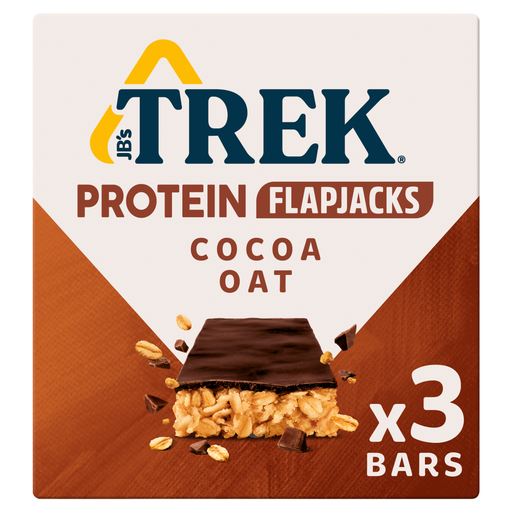
TREK Cocoa Oat Protein Flap Jacks, 3 × 50g
The three 50g bars provide a pack format to consider when counting snacks for a ride. Read the Cocoa Oat wrapper for its own nutrition and dietary information rather than applying figures from another TREK flavour.
View on Joybuy
 No image available
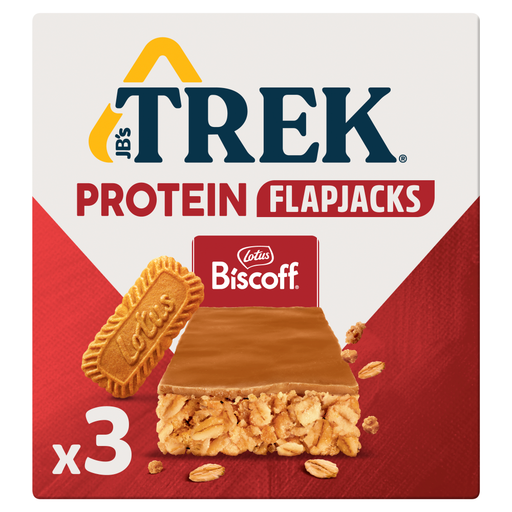
TREK Biscoff Flapjack, 3 × 50g
This three-bar pack offers another flapjack flavour for carrying or sharing. If dietary suitability matters, check the Biscoff variant’s own ingredients and allergen information rather than assuming it matches other flapjacks in the range.
View on Joybuy
 No image available
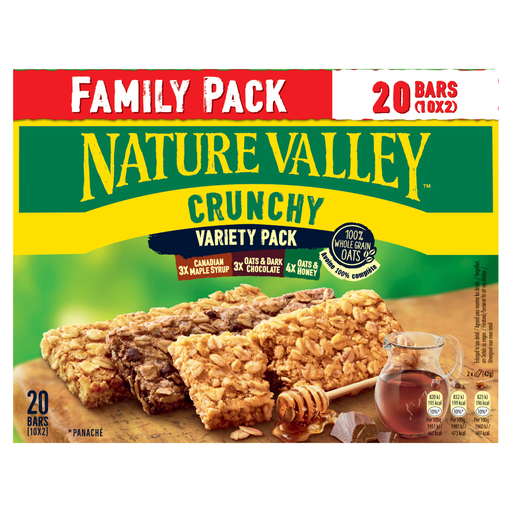
Nature Valley Crunchy Family Variety Pack, 10 × 42g
For planning portions across a longer ride or several riders, Nature Valley UK describes this variety format as 20 bars in 10 two-bar portions. Its stated 42g two-bar portion contains 27g carbohydrate; check the current wrapper for ingredients and allergens.
Purchase link unavailable
 No image available
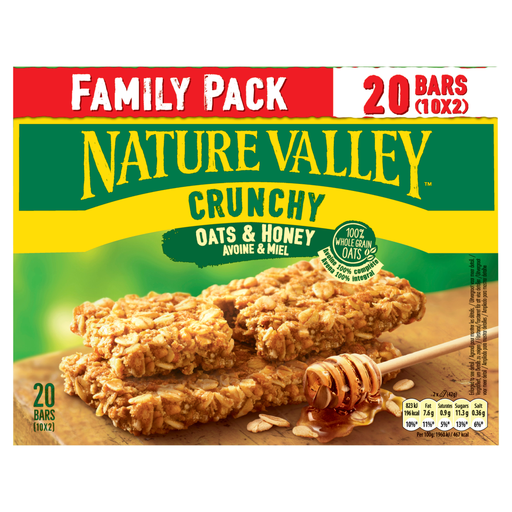
Nature Valley Crunchy Oats & Honey Family Pack, 20 bars, 420g
The stated 20-bar pack gives you a count to work from when planning snacks for several stops or riders. Check this Oats & Honey variant’s own portion size, carbohydrate figure and allergen statement rather than using those of the Variety pack.
View on Joybuy
Questions about bars for rides
Do I need a snack bar on every bike ride?
No. Cycling UK describes an approximately 20-mile ride taking 90 minutes as one for which water may suffice when you have eaten beforehand; it recommends a more deliberate eating strategy for longer rides. Consider the length and demands of your own outing before packing on-bike food.
How do I compare bars for a longer ride?
Compare carbohydrate for the portion you will actually eat, then consider other food and fluids you will carry. British Cycling advises taking carbohydrate little and often on bigger rides; a figure per 100g or per box alone does not tell you what one feed provides.
Can a protein flapjack take the place of planned ride food?
Do not decide from its protein claim alone. For longer-ride food planning, check that flapjack’s carbohydrate per bar against the portions and other food you intend to take; British Cycling’s on-bike guidance focuses on carbohydrate intake.
What should I check before sharing a multi-pack?
Check the exact bars’ ingredients, allergen and precautionary statements, and how many separately usable portions the pack contains. Ask each rider about their requirements before offering a bar; a claim such as vegan or gluten-free does not answer every allergen question.
Does “no added sugar” mean a bar contains no sugar?
No. Read the total sugars and carbohydrate figures on the nutrition label for the portion you will eat. The wording “no added sugar” does not, by itself, establish either figure or tell you how that bar fits your ride plan.


