Two adults sharing a household pack
Work out whether both adults will eat the flavours and how quickly they will use the pack. Check the ingredients and allergens for each intended eater before choosing a larger box.


For two adults who will eat the same flavours, a larger variety pack can make sense; if preferences or allergens differ, a smaller pack means less commitment. Compare the current pack’s ingredients and allergens, its per-100g nutrition and the amount in each bar before buying. Treat these as adult snacks rather than assuming a bar can also be shared with a baby.
Work out whether both adults will eat the flavours and how quickly they will use the pack. Check the ingredients and allergens for each intended eater before choosing a larger box.
A portable bar may be convenient during a feed or appointment, but it is not a special breastfeeding product. The NHS says breastfeeding does not require a special diet; choose snacks in the context of the foods you eat across the day.
Keep the adult snack decision separate from infant feeding. The NHS advises avoiding honey before 12 months and preparing foods with a child’s age and the food’s size, shape and texture in mind.
Start with who will eat the bars and where they will be kept, then compare the exact packs that meet those needs.
| Priority | What to check | Your needs |
|---|---|---|
| Pack size and variety | Count the bars and wrapped portions, not just the boxes. Check whether everyone likes the flavours and will use the pack. | If we both eat the same bars, a larger variety pack could work. If we are trying a flavour, I would rather start with fewer bars. |
| Portability | Check whether bars are wrapped singly or in pairs, and the amount in each wrapped portion. | For a changing bag or an appointment, I want a portion I can carry without opening the rest of the pack. |
| Ingredients and allergens | Read the current pack’s ingredients, highlighted allergens and any may-contain wording for the exact flavour. Check dietary claims separately from allergy information. | Everyone sharing the box needs a suitable option; a vegan or gluten-free claim alone does not answer my allergen question. |
| Nutrition | Use per-100g values to compare different bar sizes, then per-bar values for the portion you might eat. Look at sugars and saturated fat alongside any fibre or protein claim. | If a pack catches my eye for its protein, fibre or no-added-sugar wording, I still want to see the full nutrition panel. |
| Sharing with a child | Check ingredients and the food’s size, shape and texture rather than treating an adult bar as an infant snack. The NHS says honey must be avoided before 12 months; whole nuts and peanuts should be crushed or flaked for children under 5. | I need to make a separate, age-appropriate food choice for my child, not hand over an adult bar unchanged. |
A flavour or allergen statement that is fine for one person may rule out the pack for someone else.
Check the exact flavours and current labels for everyone who will eat them. If needs differ, consider smaller packs or separate options.
A shared box can leave bars unused if only one person can eat them.
Protein, fibre, wholegrain and no-added-sugar wording describes particular attributes, not the whole nutrition panel. Tesco lists 15g sugars per 35g bar for nakd. Cocoa Delight despite its no-added-sugar claim.
Compare per-100g and per-bar figures, including sugars and saturated fat, before choosing a multipack.
Honey and whole nuts require particular care for young children, while a bar’s texture also matters. The NHS says to avoid honey before 12 months and to crush or flake whole nuts and peanuts for children under 5.
Assess any food offered to a child for their age and its safe preparation; do not offer an adult bar unchanged on the strength of its packaging.
Alpen’s product-availability information lists several former bar lines as no longer made. An older listing may therefore describe a pack you cannot order.
Check the retailer’s current listing and the pack details again before placing an order.
These examples illustrate different pack formats; a brand name alone does not establish the ingredients or suitability of a particular flavour.
The Honey Oat Boost example is a smaller oat-flapjack pack: Tesco lists four 30g bars.
The Crunchy Variety Family Pack is a larger sharing format with 20 bars arranged in 10 paired portions, according to Nature Valley UK.
The Smooth Lemon Protein Flapjacks example is a pack of three individually wrapped 40g bars, according to ASDA.
The Cocoa Delight example is a four-pack of fruit-and-nut bars labelled vegan, gluten-free and dairy-free by Tesco.
Sainsbury’s lists the Maple Syrup, Pecans & Peanuts protein bars as three individually wrapped 40g portions.
Alpen’s current muesli range is a separate breakfast option, not a direct example of a snack-bar multipack.
These packs include smaller fruit, nut and oat-bar options alongside a larger variety pack for adults sharing snacks. Compare the exact flavour and label before choosing for your household.
 Image unavailable
A four-bar fruit-and-nut pack is a smaller option when testing a flavour or buying for one adult. Check the exact pack’s nut and other allergen information before sharing.
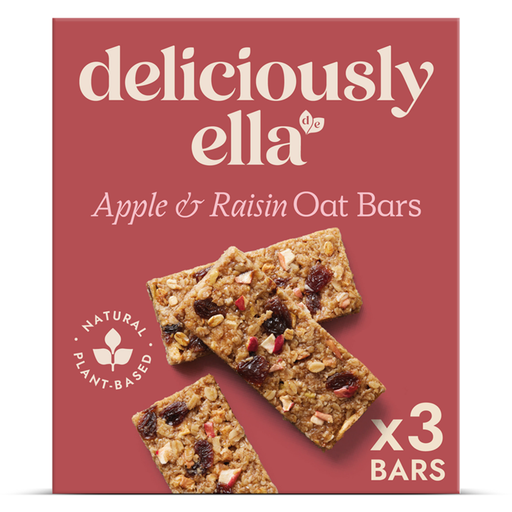 Image unavailable
Three 50g oat bars offer a smaller pack to consider for an adult’s bag or cupboard. Check the current ingredients and allergen wording for this flavour.
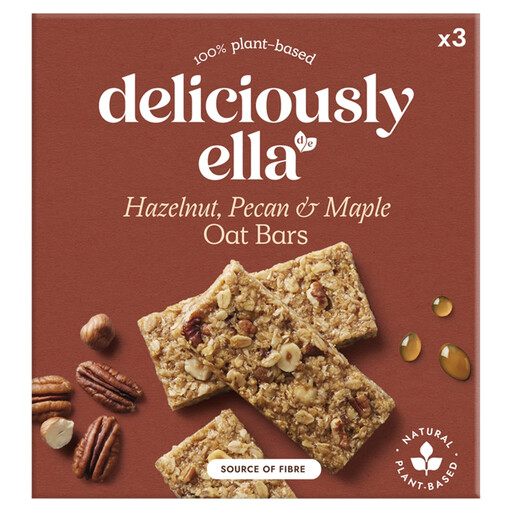 Image unavailable
This nut-and-oat option is relevant when both adults want the named flavours. Its title identifies hazelnuts and pecans, so check the full allergen information before treating it as a shared pack.
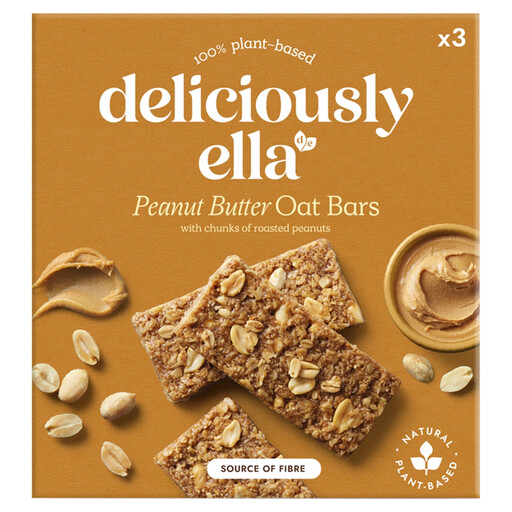 Image unavailable
A three-bar peanut-and-oat pack is worth considering only when its flavour and ingredients suit every intended eater. Check the current pack’s peanut and other allergen statements.
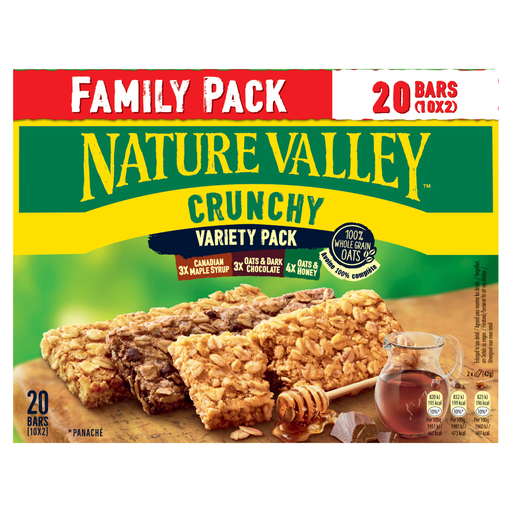 Image unavailable
This larger format suits consideration when two adults expect to share it. Nature Valley UK describes 20 bars in 10 paired 42g portions; it lists oats and soya and warns that the pack may contain nuts, peanuts and wheat.
No particular bar is required for breastfeeding. The NHS says breastfeeding does not require a special diet; choose an adult snack according to your usual food preferences and the bar’s ingredients and portion size.
Use both: per 100g makes different-sized bars easier to compare, while per-bar figures show the amount in the portion you may eat. Read sugars and saturated fat alongside any protein or fibre information.
Do not assume an adult bar is suitable. The NHS says to avoid honey before 12 months, to crush or flake whole nuts and peanuts for children under 5, and to consider a food’s size, shape and texture when preparing it for a baby. Assess the individual food rather than handing over the bar unchanged.
Check the current ingredients, highlighted allergens and any may-contain wording for each intended eater, as well as the flavours and wrapped portion size. Do not use a brand name or a vegan or gluten-free claim in place of the exact pack’s allergen information.
No. Tesco lists nakd. Cocoa Delight as no added sugar but gives 15g sugars per 35g bar, described as naturally occurring. Check the total sugars figure and portion size for the flavour you are considering.