Parents packing a routine school lunch
An individually portioned bar can sit alongside the main lunch. Compare the size of the bar actually going into the lunchbox, rather than judging a multipack by its total weight.


Choose a single bar as an addition to a secondary-school packed lunch, not a replacement for its main meal. Check the school’s packed-lunch and allergen policy first, then compare the portion and label of the exact flavour: a smaller oat bar may suit a routine snack, while a larger flapjack makes more sense when a larger snack is wanted. A fruit-and-nut bar is an option only if its ingredients and warnings fit the pupil’s needs and school rules.
An individually portioned bar can sit alongside the main lunch. Compare the size of the bar actually going into the lunchbox, rather than judging a multipack by its total weight.
Ingredients and precautionary warnings differ between recipes, including flavours in the same range. Check the current pack against the pupil’s requirements and the school’s policy before buying a multipack.
A larger flapjack may be worth considering for an after-school or activity-day snack. Compare its full per-bar nutrition panel and allergens rather than choosing on a protein claim alone.
Decide how large a snack to pack, check whether the recipe meets school and individual requirements, then compare nutrition for one bar of each suitable option.
| Priority | What to check | Your needs |
|---|---|---|
| Role in the lunch | Check the individual bar weight and whether each bar is wrapped separately. Plan the bar as a snack alongside the main lunch. | I want one portion that is straightforward to pack, without making a snack bar the main part of lunch. |
| Nutrition per bar | Compare sugars, salt, fat and saturates for the serving you would pack. Read traffic-light colours alongside the nutrition panel; an oat, fruit or protein description does not replace those figures. | I want to compare the exact flavours I might buy. In the Food Standards Agency and Ipsos Northern Ireland’s 2024 Northern Ireland tracker, 49% of surveyed food shoppers said they actively used traffic-light labelling when shopping for food; that figure does not describe secondary-school lunch buyers. |
| Allergens and school policy | Read the current ingredients and precautionary allergen statement for every flavour. Check the school’s packed-lunch rules separately. | If a pupil has an allergy or the school restricts certain ingredients, I need a bar whose exact label fits those requirements. |
| Snack size and format | Compare each bar’s weight, not just the number of bars in the pack. Check whether a smaller bar or a larger flapjack fits the occasion. | Some days I want a small addition to lunch; for an after-school snack, I may want a larger portion. |
Those descriptions do not tell you the sugars, saturates or portion size of the bar you will pack.
Compare the nutrition panel per bar and the ingredient list for the exact flavours you are considering.
The Eat Natural Apple bar contains almonds and carries further precautionary allergen warnings; the cited TREK flapjack contains soya and carries warnings for peanuts, nuts and milk.
Check the school’s policy, then read the current label of every flavour in the pack against the pupil’s requirements.
A multipack may not be usable for that lunchbox if an ingredient or warning conflicts with those requirements.
A 25g fruit-and-nut bar, a 30g oat bar and a 50g flapjack are different portions, so pack totals alone make a poor comparison.
Choose a suitable portion first, then compare the nutrition figures for one bar.
Department for Education school food guidance addresses food planned and provided by schools in England. It does not tell you whether a particular bar fits an individual school’s packed-lunch policy.
Read that school’s current packed-lunch and allergen rules before choosing a multipack.
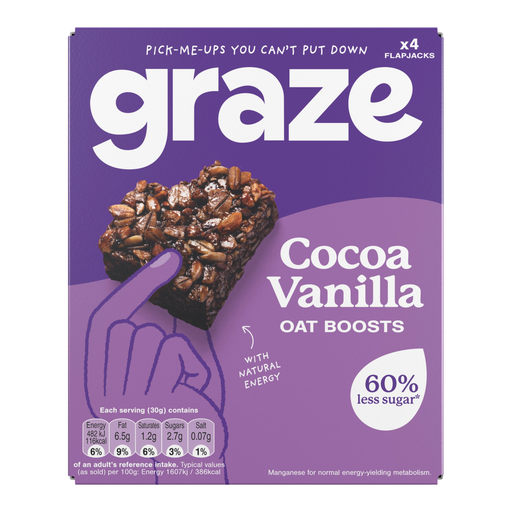
Its Oat Boosts range includes individually portioned oat-flapjack multipacks, such as the Cocoa Vanilla 4 x 30g pack listed by Tesco Groceries.
Its Crunchy oat bars and Protein bars are different ranges, so their ingredients should not be treated as interchangeable.
Its flapjacks and High Protein Bars offer different bar formats and stated protein amounts.
Its Apple Soft Fruit Bar is a smaller fruit-and-nut option to assess by individual serving and exact recipe.
These multipacks include 30g oat snacks and larger 50g bars to compare for a packed lunch or another snack occasion. Check the exact pack label and school rules before choosing.
 No image available
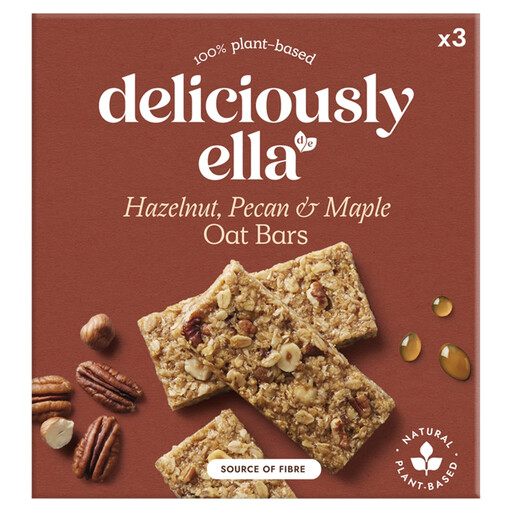
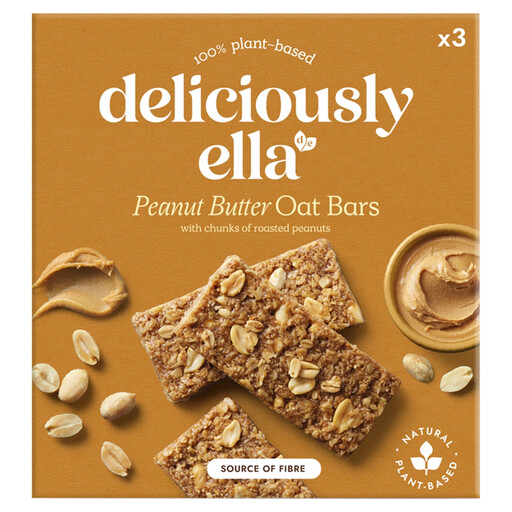
Three individually wrapped 50g flapjacks offer a larger snack portion than the 30g bars below. Check the current per-bar nutrition and soya information against the pupil’s needs and the school’s rules.
 No image available
This multipack contains 50g oat bars for a larger snack. Hazelnut and pecan are named in the product; read the full current allergen statement before considering it for a school lunch.
 No image available
These 50g oat bars are a larger-portion option. Peanut butter is part of the named recipe, so check the school policy and the pack’s complete allergen statement before buying.
 No image available
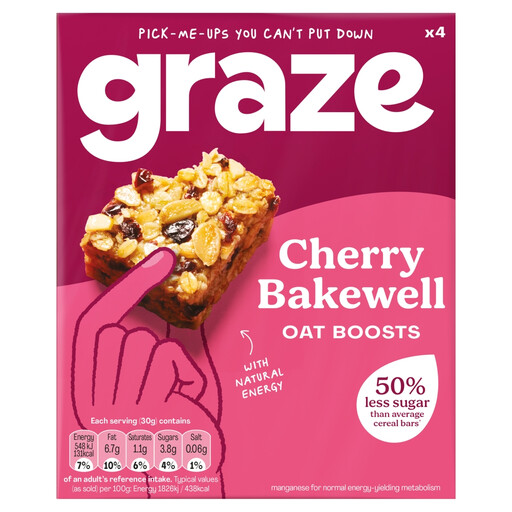
Four individually wrapped 30g oat squares offer a smaller portion than the 50g bars above. Check the nutrition panel and the current oat, soya and precautionary allergen information for this exact product.
 No image available
This pack contains four 30g oat bars for smaller individual portions. Check the Cherry Bakewell flavour’s current ingredients and allergen warnings, particularly if nuts or other allergens affect the lunchbox choice.
Use a snack bar as an addition to the main lunch, not in its place. NHS Healthier Families recommends fruit and vegetables as snack choices and advises aiming for no more than two packaged snacks a day when children have them.
A larger protein bar is one option, but its name alone does not settle the choice. Compare the portion, full per-bar nutrition panel and allergen statement with other bars that fit the pupil’s needs and the school’s rules.
Read the current ingredients and precautionary warnings for every flavour in the pack, then check the school’s policy. For example, Eat Natural’s Apple bar contains almonds and warns that it may contain peanuts, soya, milk, hazelnuts and cashew nuts; do not assume another flavour has the same statement.