Office snack-tin organisers
Keep each bar in its original wrapper so colleagues can identify the flavour and check its ingredients and allergen information. Count sealed portions when planning how many people the tin will serve.


For an office biscuit tin, start with sealed portions that colleagues can identify, then choose a mix of smaller bars and protein-focused options to suit different snack occasions. Check the wrapper on every flavour before adding it: vegan or gluten-free labelling does not settle nut, peanut or soya suitability, and a nutrition claim does not replace the per-bar figures.
Keep each bar in its original wrapper so colleagues can identify the flavour and check its ingredients and allergen information. Count sealed portions when planning how many people the tin will serve.
If protein content matters to them, compare the amount per bar as well as the bar’s weight. TREK describes its Protein Flapjacks as containing 9 g plant protein; check the exact flavour’s wrapper for its full nutrition and allergen information.
Check the claim on the exact pack rather than relying on a brand name. A bar labelled vegan or gluten-free can still contain nuts or carry a precautionary allergen warning.
Choose by the sealed portion colleagues will take from the tin, then check dietary suitability and the nutrition panel for that portion.
| Priority | What to check | Your needs |
|---|---|---|
| Allergens and diets | Read the current wrapper’s ingredients, declared allergens and “may contain” wording. Check vegan or gluten-free claims on that particular flavour. | I want colleagues to be able to identify a bar before taking it, without assuming that one dietary label covers every allergy. |
| Sealed portions | Count wrappers, not just bars or total pack weight. Nature Valley says its Crunchy Variety Pack has two bars in each pack; other cited formats have one bar per wrapper. | A one-bar wrapper suits the way we share a quick tea-break snack; a two-bar pack may still work if colleagues want that portion. |
| Nutrition per portion | Compare the labelled sugars, energy, protein and fibre for the portion someone will actually take. Check the same flavour and pack size when comparing figures. | If I am choosing for a particular protein or sweetness preference, I need the per-bar figures rather than a claim on the front of the pack. |
| Flavour mix | Check which flavours are in a variety pack and whether each sealed portion remains identifiable outside its outer box. | Different flavours would give colleagues a choice, provided each wrapper still lets them check what they are taking. |
“No added sugar”, “natural” or a protein claim does not describe every figure on the nutrition panel. A no-added-sugar claim, in particular, does not mean a bar contains no sugars.
Compare the labelled figures per eating portion for the exact flavour you plan to put in the tin.
Products bearing those labels can still contain nuts, peanuts or soya, or have precautionary allergen wording. That distinction matters when several colleagues use the same tin.
Check every current wrapper against the relevant allergies before offering a bar, and keep its identity and allergen information with it.
Nature Valley describes its Crunchy Variety Pack as containing two bars per pack. One sealed pack therefore differs from a single-bar wrapper when colleagues take one item from the tin.
Plan restocking by sealed portions and make twin-bar portions clear.
Alpen’s product-availability information lists several bar varieties as no longer made. Nature Valley also advises shoppers to check the packaging of the specific product they choose.
Check the current listing and wrapper before repeating a previous office order.
Brand names can help narrow a flavour or format search, but suitability depends on the particular bar and its current packaging.
Graze offers Oat Boost flapjacks, including a peanut-butter multipack listed by ASDA as four 30 g bars.
Its Crunchy Variety Pack offers a choice of flavours in packs containing two bars each.
Alpen is a name shoppers may recognise when looking for cereal bars.
Eat Natural lists protein-focused fruit-and-nut bars; Sainsbury’s describes the cited maple-syrup, pecan and peanut product as a three-pack of individually wrapped bars.
nākd. offers fruit-and-nut bars, including a Berry Delight pack listed by Tesco as four 35 g bars.
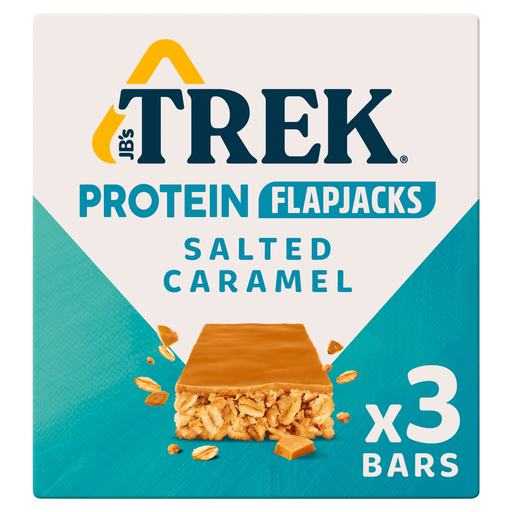
TREK offers Protein Flapjacks and describes the range as providing 9 g plant protein per flapjack.
These multipacks offer protein-focused bar options for an office tin. Compare their portion sizes and check each flavour’s current wrapper before mixing them with bars chosen for other preferences.
 No image available
A flapjack option for colleagues seeking a 50 g portion; the pack contains three bars. The product information identifies soya as an allergen, so check the current wrapper before adding it to a shared tin.
 No image available
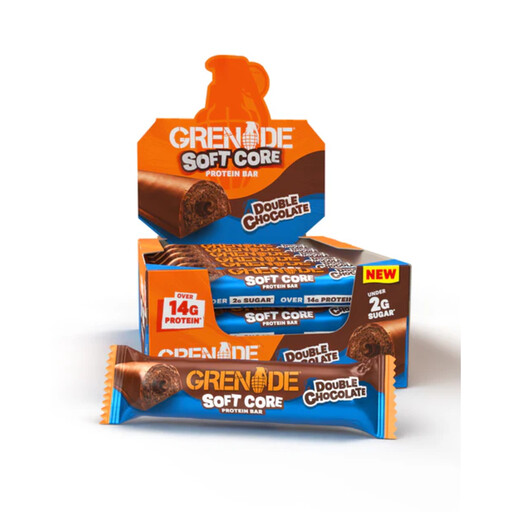
This multipack offers 50 g protein bars for colleagues who prefer that format. The product information identifies milk and soya as allergens; check each wrapper before sharing.
 No image available
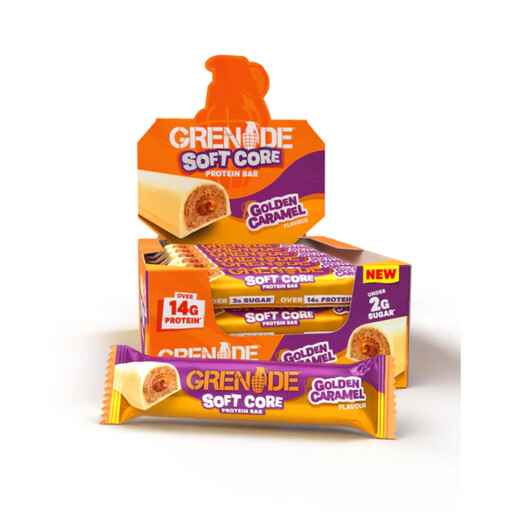
Another 50 g protein-bar format, in a twelve-bar pack, for a tin where caramel flavour is wanted. The product information identifies milk and soya as allergens; check the current wrapper.
 No image available
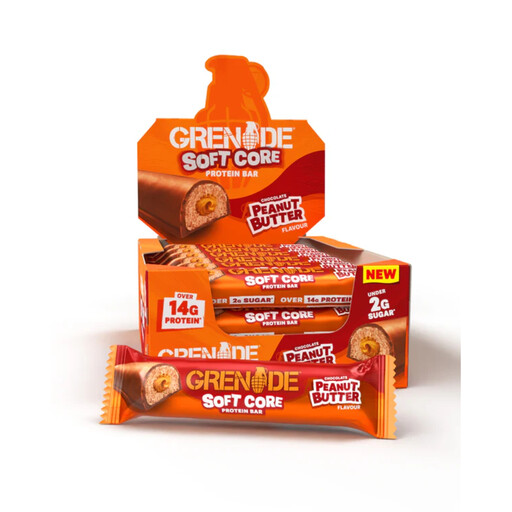
This twelve-bar pack provides a peanut-butter flavour in 50 g portions. The product information identifies peanut, milk and soya as allergens, making the exact wrapper particularly important in a mixed tin.
 No image available
The four-bar pack offers a 40 g peanut-and-chocolate protein-bar option. The product information identifies peanuts, soya and milk as allergens and warns that it may contain other nuts; check the current wrapper before sharing.
Keep them in their original sealed wrappers so colleagues can identify each bar and read its ingredients and allergen information. Keep the outer packaging available too, and check the current label when restocking.
Not on that label alone: gluten-free and nut-allergen suitability are different checks. For example, Tesco labels nākd. Berry Delight gluten-free but also gives precautionary warnings for peanuts and other nuts. Read the exact bar’s current ingredients and allergen statement.
No. A no-added-sugar claim does not describe the bar’s total sugars. Read the sugars figure for the portion on its nutrition panel when comparing flavours.
Use protein per bar as a comparison when colleagues specifically want a protein-focused option, not as the only selection test. Compare the portion size and full nutrition panel, then check ingredients and allergens for each flavour.
It signals possible unintended allergen presence. The Food Standards Agency explains that precautionary allergen labelling communicates the potential presence of a regulated allergen through cross-contact; consider that wording alongside declared ingredients when choosing bars for colleagues with allergies.