Parents stocking weekday snacks
Individually portioned bars can be convenient after school. Compare the number of bars with the number of snacks you actually need, and check serving size and sugars before committing to a larger box.


Choose an after-school snack-bar pack by checking its cost per bar and per 100g at checkout, then comparing the portion size, nutrition and allergens of the exact flavour. A larger box only makes sense if its bars suit the intended eaters and are likely to be used before their best-before date; wholegrain, protein and “no added sugar” wording cannot replace a look at the label.
The useful pack size depends on how often the bars will be eaten and whether every flavour suits the household.
Individually portioned bars can be convenient after school. Compare the number of bars with the number of snacks you actually need, and check serving size and sugars before committing to a larger box.
Check each flavour and its current ingredients. Vegan or free-from positioning does not settle a separate nut, peanut, oat or soya concern.
If protein content is a reason for choosing a bar, compare the stated amount for the exact product alongside its portion size, sugars and allergens. A protein label alone does not establish whether it suits a particular child.
Start with the portion and ingredients of a bar the household would eat, then compare pack formats and checkout costs.
| Priority | What to check | Your needs |
|---|---|---|
| Nutrition per portion | Compare the stated serving with a single bar. Read sugars, energy, saturates and salt per serving and per 100g; check fibre or protein amounts if those attributes matter to you. | “I want to know what one after-school portion contains, rather than choosing by a wholegrain or protein claim.” |
| Pack value | Check the bar count and total weight. At checkout, divide the pack cost by the number of bars and by its weight in grams to compare cost per bar and per 100g. | “Will we get through this box before its best-before date, and will everyone eat the flavours?” |
| Allergens | Read the ingredients, emphasised allergens and precautionary statements for the exact flavour and current pack. Check every flavour in a variety box. | “A different bar from the same brand may not suit the person I am buying for.” |
| Portion format | Check grams per bar and whether the nutrition panel defines a serving as one or two bars. Compare the stated portion with how the bars will be used after school. | “I need a pack that is easy to portion for our routine, not simply the box with the most bars.” |
Wholegrain, fruit-and-nut or protein wording does not tell you the total sugars in a serving. Nature Valley UK lists 11.3g sugars for a two-bar, 42g serving of its Crunchy Variety product, while Tesco lists 3.3g for a 30g Graze Honey Oat Boost bar; these are different products and portion sizes.
Compare the exact packs’ nutrition panels per serving and per 100g, including energy, saturates and salt.
Ingredients and precautionary statements vary. Eat Natural’s cited peanut-and-chocolate bar contains peanuts and soya and may contain other allergens.
Check the current physical pack for every flavour, particularly when buying a variety box for someone with an allergy.
Pack counts and bar weights differ, so the number on the front of a box cannot establish like-for-like value. Flavours left uneaten also reduce the usefulness of a bulk purchase.
Compare checkout cost per bar and per 100g, then check portion size, flavour mix and best-before date.
Alpen’s UK product-availability page identifies several previous bar products as no longer being made. An older listing is therefore not enough to establish a current pack choice.
Check the current manufacturer or retailer listing for the specific bar before adding it to a shopping shortlist.
These references describe particular ranges and cited products, not every bar made by each brand.
Oat-based multipacks include the Honey Oat Boost format.
Its range includes crunchy oat bars and separate protein-bar formats.
Nut-led bars include a peanut-and-chocolate protein variant.
Fruit-and-nut bars include variety-pack formats.
Protein flapjacks and protein bars are relevant where the stated protein content matters to the buyer.
Check the exact product before considering an Alpen bar for a current snack-bar shortlist.
These options span smaller protein and fruit-and-nut multipacks, a 12-bar nut-and-chocolate format and a 16-bar flapjack case. Compare the exact portion and ingredients before choosing a pack for after-school use.
 No image available
A four-bar protein-format pack for households considering this flavour rather than a larger stock-up box. The product name specifies four 40g bars; check the exact pack’s nutrition and allergen information.
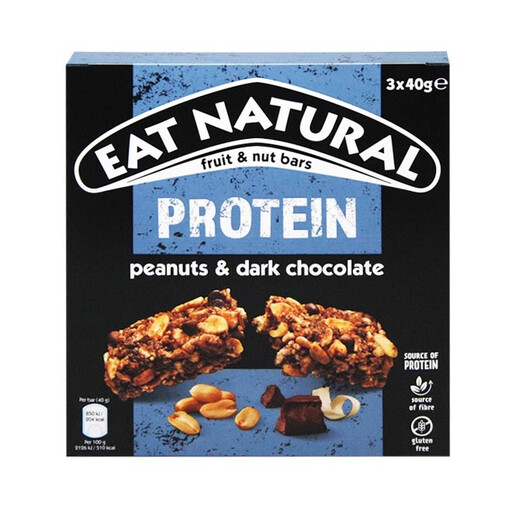 No image available
A three-bar option if the household wants to try this peanut-and-chocolate format before buying more. Eat Natural lists 7.8g protein per 40g bar for its cited peanut-and-chocolate product; check the pack for ingredients and allergen statements.
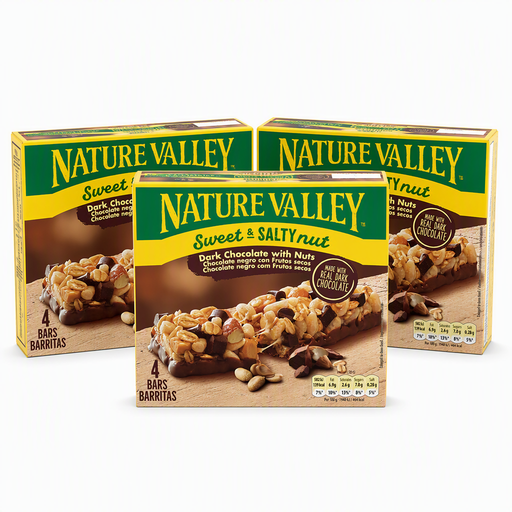 No image available
The stated format totals 12 bars and 360g, making bar count and flavour acceptance worth checking for a regular after-school routine. Read this variant’s nutrition and allergen information rather than applying figures from another Nature Valley bar.
 No image available
This 16-bar case suits a household that expects to use the Cocoa Oat flavour regularly. Each stated bar weighs 50g; compare that portion with smaller bars and check the exact pack’s sugars and allergens before stocking up.
 No image available
A four-bar fruit-and-nut pack rather than a large variety box. Check this flavour’s ingredients and allergen statements, and compare total sugars on its nutrition panel: a no-added-sugar description does not state the total amount.
Calculate checkout cost per bar and per 100g, then check how much each bar weighs. A larger box may be less useful if its portions or flavours do not suit the household, or if bars are likely to remain uneaten past their best-before date.
No. The description does not give the bar’s total sugars; fruit ingredients can contribute sugars. Compare the exact product’s figures per serving and per 100g. The NHS describes more than 22.5g total sugars per 100g as high.
No. Compare the complete label and the portion the child would eat. For example, Nature Valley UK lists 11.3g sugars per two-bar serving of its Crunchy Variety product; that figure should not be applied to a different variant.
Read the current pack’s ingredients, emphasised allergens and any precautionary statement for every flavour. The Food Standards Agency explains that precautionary allergen labelling communicates possible unintended allergen presence, so a different flavour or an older listing is not a substitute for the exact pack.