What should you check before buying?
Start with the number of bars you can use, then compare the label details that matter to you. A smaller pack can also be a way to try a flavour before buying a larger assortment.
| Priority | What to check | Your needs |
|---|
| Pack format |
Count individual bars and check whether they are paired into portions. Compare the flavour breakdown and best-before date with how often you expect to take one. |
I want enough coffee-break bars for my routine, without committing to flavours I will leave uneaten. |
| Protein and fibre |
Read both figures per bar on the exact flavour. Nature Valley UK states around 10 g protein and 4 g fibre per 40 g Chocolate & Coffee Protein bar; Tesco lists 7.6 g protein and 6.8 g fibre per 45 g Nakd Peanut Butter Protein bar. |
If I am choosing a protein bar, its stated figures matter more to me than getting the largest number of bars in one carton. |
| Nutrition basis |
Check the serving size before comparing sugars or energy: one bar and a two-bar portion are different amounts. Nature Valley UK lists 11.3 g sugars for a 42 g, two-bar Crunchy Variety portion. |
I want to compare the amount I would actually eat with my coffee, rather than assume that an oat, fruit or protein label describes its sugar content. |
| Ingredients and allergens |
Read the ingredient list, allergen declaration and any precautionary statement for each relevant variety. Check that a vegan, gluten-free or dairy-free claim applies to the exact product. |
I need the bars I take on my commute to meet my ingredient or allergen requirements, including when an assorted pack contains different recipes. |
Snack-bar brands to compare
Compare specific products and pack formats rather than assuming every bar from a brand has the same ingredients or portion size.
Nature Valley
Its UK range includes crunchy oat assortments and protein bars. Nature Valley UK describes its Crunchy Variety pack as 20 bars arranged in ten paired portions.
- The 420 g Crunchy Variety pack contains three flavours.
- It contains oats and soya, may contain nuts, peanuts and wheat, and lists 11.3 g sugars per two-bar portion.
Graze
Graze Oat Boost flapjacks offer a smaller multipack format for trying a flavour or buying for fewer coffee breaks.
- Tesco lists the Cocoa Vanilla Oat Boost as four 30 g bars, with 116 kcal and 2.7 g sugars per bar, and labels it suitable for vegans.
- Four bars will not cover the same number of breaks as a 20-bar assortment.
Nakd
Nakd offers fruit-and-nut bars and protein-bar multipacks for shoppers comparing ingredient lists and specific dietary claims.
- Nakd describes its fruit-and-nut bars as vegan, gluten-, wheat- and dairy-free; confirm the claims on the flavour you choose.
- Tesco lists 13 g sugars per 45 g Nakd Peanut Butter Protein bar. That product contains peanuts and may contain soya and nuts.
Eat Natural
Eat Natural lists fruit-and-nut and soft-fruit bar ranges. Costco UK lists an assorted 1.1 kg pack containing 20 bars in three varieties.
- The assortment offers a documented larger-pack format with seven bars of each of two varieties and six of a third.
- Check the ingredients and dietary suitability of every included variety before choosing the assortment.
Trek
Joybuy lists Trek flapjacks in three-bar, 50 g-per-bar packs, including a Salted Caramel Protein variety.
- The three-bar format offers a smaller flavour commitment than a large assorted box.
- Check the individual product’s current ingredients, allergens and nutrition label before choosing a variant.
Alpen
Alpen’s UK website presents muesli. A brand name alone is not enough to identify a snack-bar multipack for this decision.
- Compare a specific snack-bar product and its pack details if you are considering one.
Joybuy protein-bar multipacks
These options cover protein-bar and protein-flapjack multipacks for commuter coffee breaks. The 12-bar Grenade cartons offer a different stocking quantity from the three- and four-bar packs; check each flavour’s current label before deciding.
 No image available
Grenade Soft Core Double Chocolate Protein Bars, 12 × 50 g
A 12-bar protein-bar carton for keeping several coffee-break snacks on hand. Check the current label for milk and soya, along with its usage instructions.
 No image available
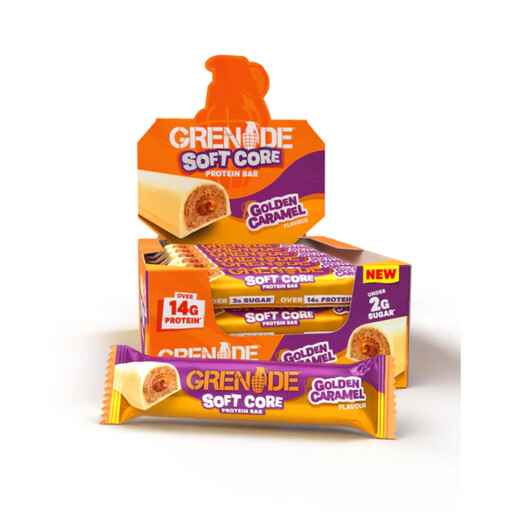
Grenade Soft Core Golden Caramel Protein Bars, 12 × 50 g
A 12-bar option if Golden Caramel is a flavour you want to keep for repeated coffee breaks. Check the current label for milk and soya, along with its usage instructions.
 No image available
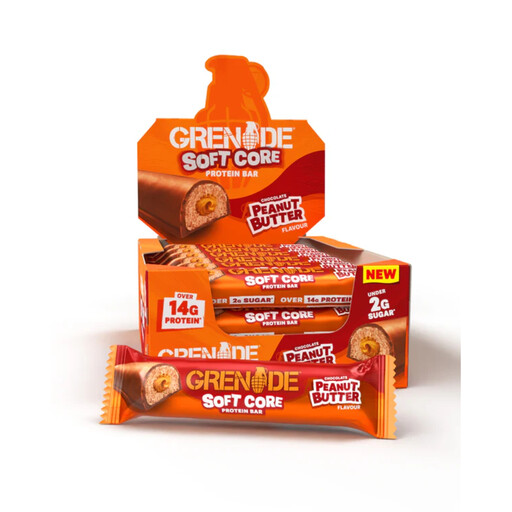
Grenade Soft Core Peanut Butter Protein Bars, 12 × 50 g
A 12-bar Peanut Butter carton for a regular stash. Check the current label for peanuts, milk and soya, and read its usage instructions.
 No image available
Trek Salted Caramel Protein Flapjacks, 3 × 50 g
A smaller flapjack multipack if you want to try Salted Caramel before committing to more bars. Check the current ingredient and allergen label, including its soya declaration.
 No image available
Nature Valley Protein Peanut & Chocolate Bars, 4 × 40 g
A four-bar protein multipack for a shorter stocking cycle. Check the exact pack’s declaration for peanuts, soya, milk and any precautionary nut statement.
Questions about commuter snack bars
How can I judge whether a large snack-bar pack suits my routine?
Count the individual bars, check the included flavours and look at the best-before date. A 20-bar assortment is useful for a regular stash only if you expect to use the bars and can eat the included varieties; a smaller pack lets you try a flavour with less commitment.
Should I choose a protein bar for my commuter coffee break?
Choose one if its stated protein and fibre figures are relevant to your selection, rather than assuming a protein label settles the decision. Nature Valley UK states around 10 g protein and 4 g fibre per 40 g Chocolate & Coffee Protein bar; check sugars, serving size and allergens on the exact product too.
Does “no added sugar” mean a bar contains little sugar?
No: the statements describe different things. Tesco lists the Nakd Peanut Butter Protein bar as having no added sugar while its nutrition panel gives 13 g sugars per 45 g bar. Compare the “of which sugars” figure and serving size on the bar you intend to buy.
Which allergen details should I check on a UK snack-bar pack?
Read the exact product’s ingredient list, highlighted allergens and any precautionary statements, including for each flavour in an assortment. UK food-labelling guidance from the Department for Environment, Food & Rural Affairs and the Food Standards Agency says prepacked food labels must display ingredients, including allergens, and a best-before or use-by date.
What should I check before storing a large multipack?
Check its best-before date and storage instructions against how quickly you expect to use the bars. If you plan to split the pack between home, work and your bag, make sure you can still identify the relevant ingredients and allergens for the bars you take with you.


