Who is this grab bag for?

Runners heading out after a long gap since eating

A portable, familiar snack gives you an option if you want to eat before setting off. UK Sports Institute notes that many athletes eat one to three hours before running, but the timing that suits you may differ.

Runners keeping snacks for different times of day

Individually wrapped oat or fruit bars and protein-containing bars give you different portions to consider before a run, afterwards or between meals. Choose according to when you intend to eat, rather than treating every bar in the drawer as interchangeable.

Shoppers checking dietary fit or allergens

Compare the exact flavour and pack, including its ingredients and precautionary allergen wording. The NHS notes that nutrition information is given per 100g and sometimes per portion, which helps when bar sizes differ.

What should you check?

Decide when you would eat the bar, then compare the portion and label details that matter for that use.

PriorityWhat to checkYour needs
Pre-run portion Check carbohydrate per bar or paired portion, not just per pack. Compare the portion size and whether each serving is individually wrapped. I might want a familiar, carbohydrate-containing snack when there has been a long gap since my last meal.
Timing and tolerance Check the portion and ingredients against foods you already know. Try the bar and timing during an ordinary run; UK Sports Institute notes that pre-run eating time varies between individuals. If I am setting off soon, I want to know how this particular bar sits with me before relying on it on run day.
After-run snack Compare protein and carbohydrate per bar, alongside the size of the serving. A protein-led label alone does not tell you how one bar compares with an oat or fruit portion. When my next meal is some time away, I would rather pack a bar chosen for an after-run or between-meal snack.
Ingredients and allergens Read the exact flavour’s ingredients, emphasised allergens and any ‘may contain’ statement. Use per-100g nutrition figures for like-for-like comparison, then check the portion you will eat. I need the current pack to fit my dietary restrictions; a claim about the wider brand or range is not enough.

Common buying mistakes

  • Choosing a protein bar for every pre-run snack

    Bars sold for their protein content can have different carbohydrate amounts, portions and ingredients from oat or fruit bars. The label may not match the snack you had in mind before setting off.

    Choose the eating occasion first, then compare carbohydrate, protein, fat and fibre for the portion you would eat. Try a pre-run choice on a routine run.

  • Trying an unfamiliar bar on run day

    The time between eating and running that feels comfortable differs between individuals. UK Sports Institute notes that many athletes eat one to three hours beforehand, not that one timing suits everyone.

    Test a familiar portion and its timing during an ordinary run before packing it for an event.

  • Assuming a dietary claim covers allergens

    Ingredients and precautionary allergen statements can differ between products and flavours. For example, the nākd. Blueberry Muffin listing on Joybuy names almonds and cashews and carries a ‘may contain’ warning for nuts, peanuts and soya.

    Read the ingredients and ‘may contain’ wording on the exact current pack, even if you have bought another flavour before.

  • Comparing packs without checking serving sizes

    A single bar and a paired-bar portion represent different amounts of food. Their pack totals do not tell you what one wrapped serving contains.

    Use per-100g figures to compare labels, then read the values for the bar or paired portion you plan to carry. The NHS notes that labels give nutrition information per 100g and sometimes per portion.

Brand references

Nature Valley

Its Crunchy variety pack offers paired oat-bar portions, while its Protein Variety Bars offer a different type of snack.

  • Nature Valley lists 27.0g carbohydrate per 42g paired portion in its 10-portion Crunchy variety pack.
  • Nature Valley lists around 10g protein per 40g Protein Variety Bar. Check the ingredients and allergens of the particular variety before choosing it.

nākd.

Fruit-and-nut bars are an option for shoppers who prefer that format; the brand describes its range as suitable for vegans.

  • nākd. states that its fruit-and-nut bars have no added sugar.
  • The Blueberry Muffin listing on Joybuy contains almonds and cashews and warns that it may contain nuts, peanuts and soya. Check each flavour separately.

TREK

Its range includes protein flapjacks for a grab bag intended for after-run or between-meal snacks.

  • TREK states that its Protein Flapjacks contain 9g plant-based protein; check the particular pack for its portion and nutrition details.
  • Read the ingredients and allergen wording for the flavour you choose, particularly if you plan to eat it close to a run.

Eat Natural

Its soft fruit bars and protein bars come in different portion sizes and suit different snack preferences.

  • Sainsbury’s lists 16.2g carbohydrate and 87kcal per 25g Red Fruits Soft Fruit Bar; Tesco lists 10.4g protein per 40g Salted Caramel Protein Bar.
  • Those figures describe different products. Compare the exact flavour, portion and ingredients rather than applying one bar’s label to the whole range.

Graze

Graze includes Oat Boost flapjacks in its snack range.

  • The flapjack format is another option to consider if you prefer an oat-based snack.
  • Check the chosen pack’s portion, nutrition panel and allergens before comparing it with other bars.

Joybuy snack-bar options

These multipacks include protein-led bars for after-run or between-meal snacks and oat or fruit-and-nut bars to consider for a pre-run grab bag. Choose by the actual portion and your tolerance, not the pack label alone.

TREK Salted Caramel Protein Flapjacks, pack of three 50g bars

TREK Salted Caramel Protein Flapjacks, 3 x 50g

A three-pack to consider when you want a protein flapjack after a run or between meals. Each bar is 50g; check the current pack’s ingredients and allergens before use.
Joybuy
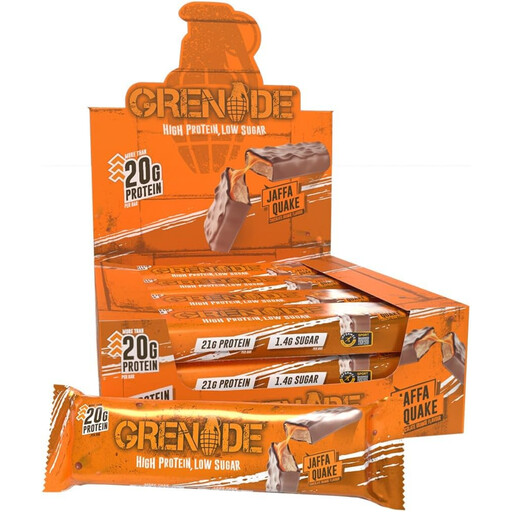
Grenade Jaffa Quake Protein Bars, pack of twelve 60g bars

Grenade Jaffa Quake Protein Bars, 12 x 60g

A twelve-pack of 60g protein bars for someone stocking an after-run or between-meal snack drawer. Compare the nutrition and allergen information on the current pack before choosing a portion.
Joybuy
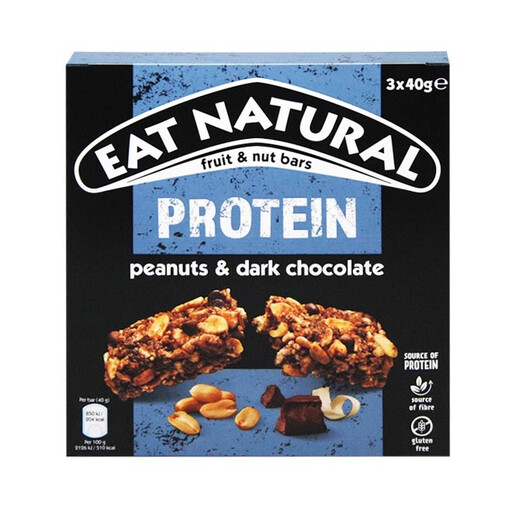
Eat Natural Peanut and Chocolate Protein Bars, pack of three 40g bars

Eat Natural Peanut and Chocolate Protein Bars, 3 x 40g

A three-pack of 40g peanut and chocolate bars to consider for an after-run or between-meal snack. Check the full ingredients and allergen statement on the current pack.

Joybuy
nākd. Blueberry Muffin Fruit and Nut Bars, pack of four 35g bars

nākd. Blueberry Muffin Fruit & Nut Bars, 4 x 35g

Four 35g fruit-and-nut bars offer a single-bar portion to consider for a grab bag if you tolerate the ingredients. The Joybuy listing names almonds and cashews and warns that the product may contain nuts, peanuts and soya.
Joybuy
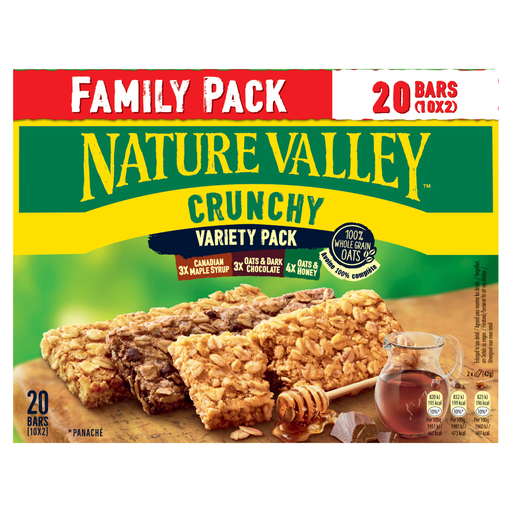
Nature Valley Crunchy Family Variety Pack, ten 42g paired portions

Nature Valley Crunchy Family Variety Pack, 10 x 42g

For a familiar oat-bar option before a run, the pack contains ten 42g paired portions. Nature Valley and the Joybuy listing give 27.0g carbohydrate per paired portion. Check the current allergens and listing availability before ordering.

Joybuy

Questions about 5k snack bars

Do I need to pack a bar before a 5k?

A bar is an option, not a requirement for every run. If there will be a long gap since your last meal and you want something beforehand, choose a familiar portion and try its timing on an ordinary run.

When should I eat a bar before running?

There is no single timing that suits everyone. UK Sports Institute notes that many athletes eat one to three hours before running, while individual timing varies; try your chosen bar and portion during routine training.

Should I pack a carbohydrate-led or protein-led bar?

If you want a pre-run snack, compare carbohydrate in the portion you would eat and choose something familiar. A protein-led bar may instead suit an after-run or between-meal snack; check its full nutrition panel and ingredients rather than relying on the front-of-pack description.

How do I compare bars with different serving sizes?

Compare their per-100g nutrition figures, then check the values for the bar or paired portion you would actually eat. The NHS notes that nutrition information is given per 100g and sometimes per portion.

Can I rely on a range’s dietary claim if I have an allergy?

No: read the exact current pack’s ingredients and precautionary allergen statement. For example, the nākd. Blueberry Muffin listing on Joybuy names almonds and cashews and warns that it may contain nuts, peanuts and soya; another flavour’s label may differ.