
24/7 Customer Support

Free returns

Same-day & Next-day Delivery

Quality Guaranteed

Unlock Your Welcome Offers: FREE Delivery | Up to 80% OFF | Free 30-day JoyPlus trial
Download the APP
Snack bars are convenient, portable and easy to store, but choosing between protein bars, cereal bars, oat bars and chocolate snack bars can be surprisingly difficult. Bright packaging may highlight “natural” ingredients or added protein while making serving sizes, sugar content and allergens less obvious.
Before adding a multipack to your basket, watch for three common buying pitfalls:
UK labels usually provide nutrition information per 100g and often per bar. The per-bar figure is more useful for everyday decisions because snack sizes vary considerably.
For example, a 40g Nature Valley Protein Peanut & Chocolate Bar provides 10.2g protein, while a 30g Nature Valley Sweet & Salty Nut Dark Chocolate bar provides 139 kcal. These products serve different purposes, so comparing the packet’s marketing message alone would be misleading.
Check:
A product described as an oat bar is not automatically suitable for a gluten-free diet. Check whether the packaging specifically identifies the product as gluten-free and review the allergen statement.
The supplied range includes several different options:
“Vegetarian”, “dairy-free” or “gluten-free” does not mean suitable for every allergy. For an allergy, follow the label’s contains and may contain information carefully.
Individually wrapped bars work well for office drawers, school lunchboxes, travel and outdoor activities because they are easier to portion and carry. A small three-pack may suit occasional use, while an 8- or 15-bar multipack can be more practical for a household, workplace or regular exercise routine.
Also check storage guidance. Most products should be kept in a cool, dry place, away from direct sunlight or heat. Bars containing chocolate or soft fillings may become messy in a warm car or gym bag. Once opened, some products should be consumed promptly or resealed to preserve texture.
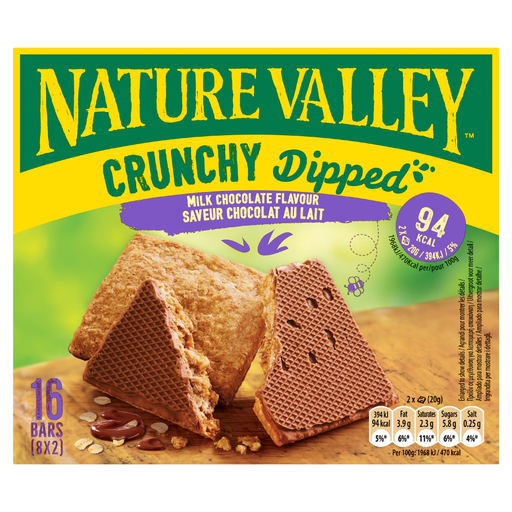
Why This Fits Their Persona: Individually wrapped oat biscuits provide a straightforward option for office breaks, lunchboxes and occasional on-the-go snacks.
The 160g pack gives a clear overall quantity, while the ingredient list identifies 34.8% whole grain oat flakes and 11.8% whole grain wheat flour.
Crunchy oat texture, milk chocolate coating and no artificial colours or preservatives listed in the product details.
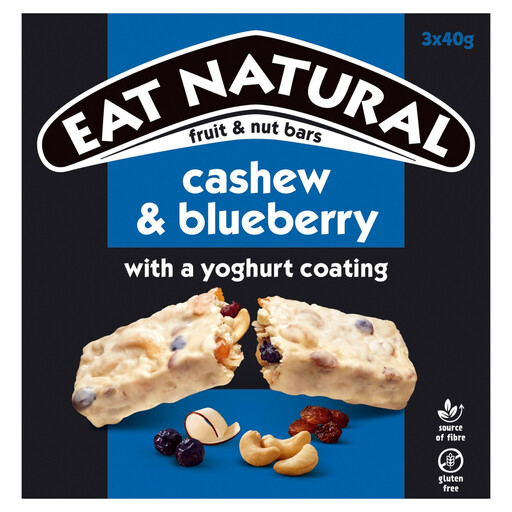
Why This Fits Their Persona: A three-bar pack suits shoppers who want a fruit, nut and yoghurt-style combination for commutes, coffee breaks or travel.
The product details specify a source of fibre and list the main fruit, nut and coating ingredients with percentages.
Individually wrapped 40g bars, naturally gluten-free according to the product information, with cashews, almonds and dried fruit.

Why This Fits Their Persona: The eight-bar multipack is practical for regular gym visits, active commutes, hiking or keeping a dependable workplace supply.
The label gives a per-bar protein figure of 10g and identifies peanuts, milk and soya as allergens, making portion and suitability checks clearer.
Eight individually portioned 40g bars, with 25.6g protein and 10.7g fibre per 100g according to the listed nutrition information.
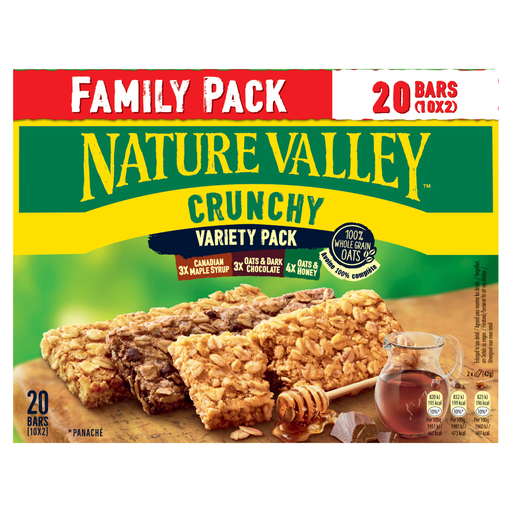
Why This Fits Their Persona: A mixed pack offers Canadian Maple Syrup, Oats & Dark Chocolate and Oats & Honey flavours for shared cupboards and varied lunchbox preferences.
The variety is stated clearly, and nutrition values are provided for each flavour rather than treating the whole box as identical.
Ten 42g portions, whole grain rolled oats as a leading ingredient and three flavours in one pack.
We have compiled a complete, real-time list of products that fully satisfy these strict selection criteria and UK safety regulations.
They can be convenient lunchbox items, but suitability depends on the child’s age, school rules, ingredients and allergen requirements. Check the pack for nuts, peanuts, milk, wheat and soya, and consider the product’s sugar and portion size. Some products also include choking-related safety guidance, so follow the label carefully.
Protein bars can provide a portable source of protein, but the right choice depends on your overall diet and activity. Compare the protein per bar, calories, sugars and allergens. A 40g bar with around 10g protein may be convenient after exercise, while a cereal or oat bar may be more suitable when you simply want a small snack.
Most should be stored in a cool, dry place away from direct sunlight and heat. Keep individually wrapped bars sealed until needed. Chocolate coatings and soft fruit or nut mixtures can change texture in warm conditions, so avoid leaving them in a hot car for extended periods. Always follow the storage and best-before information on the packaging.