
24/7 Customer Support

Free returns

Same-day & Next-day Delivery

Quality Guaranteed

Unlock Your Welcome Offers: FREE Delivery | Up to 80% OFF | Free 30-day JoyPlus trial
Download the APP
Snack bars can make a practical breakfast substitute, lunchbox addition or on-the-go snack, but attractive packaging does not always tell you what you are buying. A bar labelled as an “energy” or “protein” snack may still be high in sugar, saturated fat or salt, while a seemingly wholesome cereal bar may contain several common allergens.
The right choice depends on how you intend to use it. A compact oat bar may suit a commute, a higher-protein bar may be more appropriate after exercise, and a fruit and nut bar may appeal to shoppers who prefer a chewy texture. Use the checks below before choosing from the available snack bar range.
“Energy bar” describes a use case, not necessarily a low-sugar or high-protein formulation. Some cereal bars contain around 20–27g of sugar per 100g, while chocolate snack bars can also be relatively high in saturated fat.
Compare the per-bar figures, not just the per-100g panel. A 40g bar and a 50g bar can look similar on the shelf but provide noticeably different amounts of calories, sugar and protein.
Marketing language such as “made with natural ingredients” does not automatically mean a product is low in sugar, high in fibre or suitable for a particular diet. For example, fruit and nut bars may contain dates, syrups or coatings that increase sweetness, while oat bars can include chocolate layers or nut butters.
Read the ingredients list in descending order by weight. If sugar, syrup or a coating appears near the beginning, factor that into your choice.
Snack bars commonly contain or may contain peanuts, tree nuts, milk, soya, wheat, oats and barley. “Gluten-free” and “vegan” are not interchangeable: a vegan bar may contain gluten, and a gluten-free bar may contain milk or honey.
Always check the current packaging, particularly when buying for children, sharing at work or catering for someone with an allergy. “May contain” statements are important because they indicate potential cross-contact during manufacture.
Multipack snack bars are convenient for keeping in a desk drawer, school bag or car, but pack sizes vary considerably. Typical options in this selection include:
Calculate the cost per bar before buying. A larger multipack may offer better value, but only if the flavour and dietary profile suit your household.
For a simple breakfast accompaniment or lunchbox snack, oat bars and cereal bars can provide a convenient source of carbohydrate. For post-workout refuelling, compare protein per bar rather than relying on the word “protein” in the product name.
Examples in the selection include:
Fibre also varies. Nakd Blueberry Muffin bars provide 3.3g fibre per 35g bar, while the Nature Valley Protein Salted Caramel Nut bar lists 5.5g per 40g bar. These figures are product-specific, so check the label rather than assuming all oat or fruit bars are similar.
For a nut-free household, many products in this category will not be suitable because peanuts, almonds, cashews or other nuts are central ingredients. For vegan shoppers, check both the allergen panel and ingredients list for milk, whey, yoghurt, honey and chocolate coatings.
Some options are listed as gluten-free, including selected Nature Valley Protein and Trek products. However, the Trek Biscoff Flapjack contains wheat and soya, and may contain traces of peanuts, nuts and milk. “Gluten-free” should therefore be assessed separately from other allergen concerns.
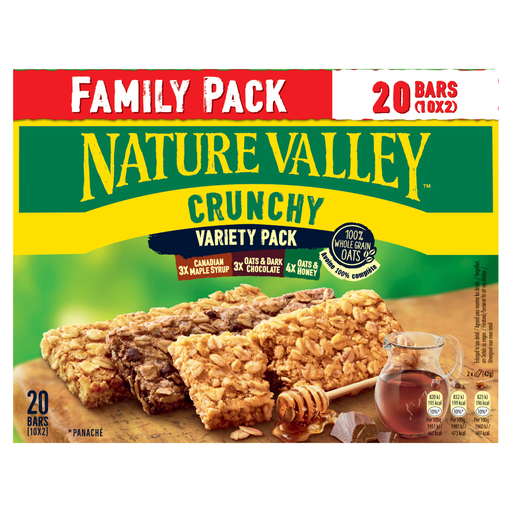
Why This Fits Their Persona: A larger multipack with Canadian Maple Syrup, Oats & Dark Chocolate and Oats & Honey varieties gives families or shared households several flavours to try.
The variety format reduces the risk of committing to one flavour, while the label provides separate nutrition information for each recipe.
Ten individually portioned 42g bars; includes three oat-based flavours for breakfast or lunchboxes.
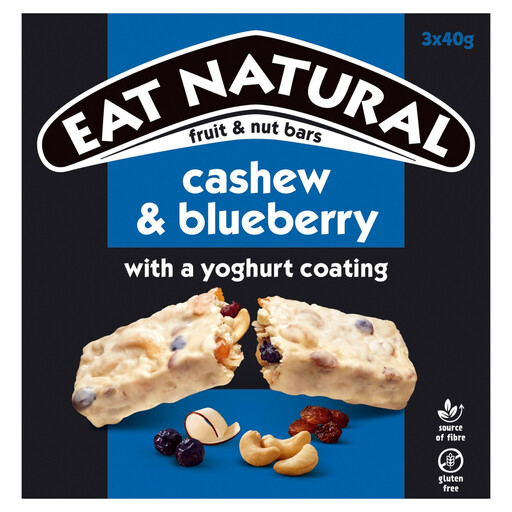
Why This Fits Their Persona: A fruit and nut combination with cashews, almonds, sultanas, cranberries and a yoghurt-flavour coating suits shoppers prioritising texture and a more layered flavour.
The ingredient declaration identifies the coating and fruit percentages, helping you assess the product beyond “natural” wording.
Individually wrapped 40g bars; listed as a source of fibre and naturally gluten-free.

Why This Fits Their Persona: The 16-bar format is practical for frequent gym sessions, long commutes, hiking or keeping a regular workplace supply.
The nutrition panel clearly states 9g protein and 2g fibre per 50g bar, making portion comparisons straightforward.
Gluten-free oats; listed as vegan and suitable for vegetarians; 16 individually sized bars.

Why This Fits Their Persona: Suitable for shoppers seeking a compact protein bar for a commute, gym bag or afternoon snack without committing to a large case.
Its nutrition information states 10.2g protein per bar, so the protein content can be assessed against the 40g serving size.
Four individually wrapped bars; 25.5g protein per 100g; listed as gluten-free.
We have compiled a complete, real-time list of products that fully satisfy these strict selection criteria and UK safety regulations.
They can be convenient when paired with other foods, but suitability depends on the product’s calories, protein, fibre and sugar content. An oat bar may provide carbohydrate, while a protein bar may be more filling for some people. Check the nutrition panel and avoid assuming that a bar replaces a varied meal.
Most have a best-before date printed on the packaging and should be stored in a cool, dry place away from direct sunlight. Keep individually wrapped bars sealed until needed. Texture can change after opening, especially in soft flapjacks or bars containing fruit, nut butter or chocolate coatings.
Check the age guidance, portion size and allergen information first. Many protein bars contain peanuts, nuts, milk or soya, and some may have a firmer or chewier texture. For younger children, follow the product’s safety information and consider whether the bar is appropriate for their ability to chew.