
24/7 Customer Support

Free returns

Same-day & Next-day Delivery

Quality Guaranteed

Unlock Your Welcome Offers: FREE Delivery | Up to 80% OFF | Free 30-day JoyPlus trial
Download the APP
Snack bars can be useful for a commute, packed lunch, gym bag or afternoon break. However, attractive packaging does not always make it easy to compare products. A bar described as a “healthy snack” may still contain considerable sugar, while a multipack can offer convenience without representing good value if the portions are very small.
This guide from the Joybuy Product Recommendation Officer explains what to check before buying snack bars, including cereal bars, oat bars, gluten-free snack bars, vegan snack bars, fruit and nut bars and chocolate snack bars.
Terms such as “natural ingredients”, “fruit-based” and “no refined sugar” describe how a product is made, not necessarily its nutritional balance. Dried fruit, rice syrup, glucose syrup, honey and coconut sugar can all contribute to the total sugar content.
For a fair comparison, check the per 100g nutrition panel first, then look at the per bar values. A smaller bar may appear lower in calories simply because the serving is smaller.
A product labelled gluten-free may still contain milk, soya or nuts. Conversely, a product described as vegan may not be suitable for someone with a nut allergy. Always read both the ingredients list and the “contains” or “may contain” statement.
This is particularly important for lunchboxes, shared office cupboards and children’s snacks. Product recipes and packaging can change, so the label on the item received should take priority.
A large box may contain individually wrapped snacks, but the individual bars can vary considerably in weight. For example, Special K Red Berry bars are 21.5g each, while several oat and nut bars weigh 40g or 50g. Compare price per bar, weight per bar and the intended use before choosing a multipack snack bar.
Ingredients are listed in descending order by weight. If sugar, syrup or a coating appears near the beginning, the product is likely to be positioned more as a sweet treat than a filling everyday option.
For fruit and nut bars, identify the percentage of nuts or fruit. Nakd Blueberry Muffin bars, for example, list dates at 59%, raisins at 15%, cashews at 14% and almonds at 10%. KIND Caramel Chocolate Peanut Bars list peanuts at 50%, almonds at 25% and cashews at 5%.
For gluten-free snack bars, look for a clear gluten-free statement but still check the allergen information. Schär Gluten Free Vanilla Wafers contain milk and soya and may contain tree nuts. They are a sweet wafer option rather than a cereal or oat bar.
Useful figures to compare include:
For context, a 50g Deliciously Ella Apple, Raisin & Cinnamon Oat Bar provides 213 kcal, 14.5g sugars, 2.5g fibre and 2.8g protein. A 35g Nakd Blueberry Muffin bar provides 131 kcal, 17g sugars, 3.3g fibre and 2.3g protein. Neither figure alone determines suitability; the right choice depends on portion, appetite and occasion.
Individually wrapped snacks are convenient for handbags, desk drawers, school bags and travel. Soft oat bars may be easier to eat quietly at work, while crunchy cereal bars can be more prone to crumbs. Coated bars may soften in warm conditions, so follow the stated cool, dry storage instructions.
For children, check the age guidance and choking warnings. Small sweets and gummy products are not suitable for children under the stated age. Frozen items, such as Jin Jin Fruit Flavour Bars, also require freezer storage and are less suitable as spontaneous on-the-go snacks.

Why This Fits Their Persona: A six-bar pack offers a straightforward way to keep individually wrapped snacks at work, in a handbag or in a school bag.
The 21.5g portion is clearly stated, helping shoppers avoid assuming that a small wrapper contains a full-sized bar.
Contains wholegrain cereals and cranberry pieces; each bar provides 83 kcal according to the supplied product information.
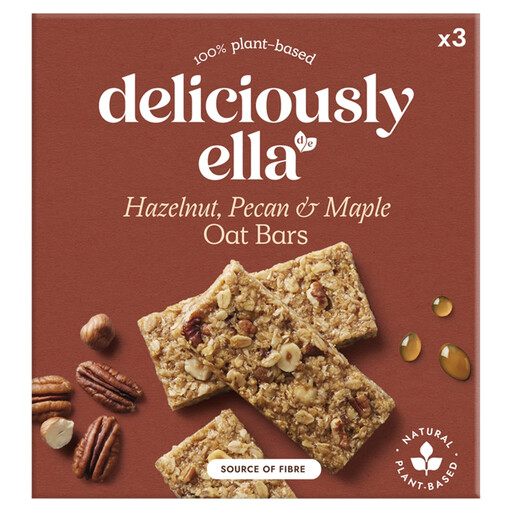
Why This Fits Their Persona: Suitable for shoppers who prefer a baked oat bar with visible nut ingredients and a richer texture for a desk break or travel bag.
The ingredient percentages identify gluten-free oats at 46%, pecans at 6% and hazelnuts at 5%, rather than relying only on front-of-pack wording.
Each 50g bar provides 244 kcal and 2.6g fibre; it contains oats, almonds, hazelnuts and pecans.
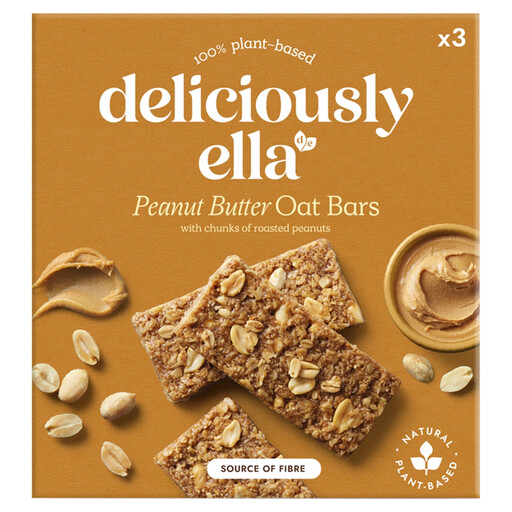
Why This Fits Their Persona: The 50g format suits commuters, hikers and gym users wanting a more substantial oat bar between meals.
The product information states 41% gluten-free oats and 15% peanuts, making the main ingredients easier to assess.
Each bar provides 230 kcal, 5.1g protein and 2.5g fibre; it is made with oats and peanut butter.

Why This Fits Their Persona: A compact choice for shoppers looking for vegan snack bars without dairy, including during travel or office breaks.
Its ingredient list is short and identifies dates, raisins, cashews, almonds and freeze-dried blueberries; it is described as gluten-free and dairy-free.
Each 35g bar contains 131 kcal and 3.3g fibre; it contains almonds and cashews, so nut warnings still apply.
We have compiled a complete, real-time list of products that fully satisfy these strict selection criteria and UK safety regulations.
Some are, but check the age guidance, choking warnings, allergens and portion size first. Products containing nuts, hard pieces or small sweets may not suit younger children. A soft, individually wrapped bar can be more practical, but parents should still review the label and school allergy policy.
Most packaged bars are shelf-stable when stored in a cool, dry place, with the best-before date printed on the packaging. Heat can affect chocolate coatings and texture. Once opened, follow the product’s storage instructions and keep it sealed where stated.
Multipacks can reduce the cost per portion, but compare the total weight and number of bars, not just the pack price. Large sharing bags of sweets may suit parties or family treats, whereas individually wrapped cereal bars can reduce waste and make portions easier to manage. For a wider selection of sweets and treats, browse the linked Healthier Sweets range.