
24/7 Customer Support

Free returns

Same-day & Next-day Delivery

Quality Guaranteed

Unlock Your Welcome Offers: FREE Delivery | Up to 80% OFF | Free 30-day JoyPlus trial
Download the APP
Snack bars can be a convenient choice for breakfast, lunchboxes, commuting, exercise or an afternoon treat. However, attractive packaging can make very different products look similar. A cereal bar may be closer to a sweet treat, while a protein bar may contain more calories, allergens or sweeteners than expected.
This guide explains the key details to check before buying, then matches selected snack bars to practical UK shopping needs.
Terms such as natural, oat-based and wholegrain describe ingredients or positioning, not the complete nutritional profile. Dried fruit, syrups, honey, chocolate coatings and glucose syrup can all increase sugar content.
For example, the Eat Natural Almond Apricot & Yoghurt bar contains almonds, apricots, coconut and honey, but its nutrition panel lists 31.2g of sugars per 100g. The Eat Natural Cashew & Blueberry bar lists 35.8g per 100g, partly reflecting its fruit and yoghurt-flavour coating. These can still suit shoppers wanting a chewy fruit-and-nut texture, but they should not automatically be treated as low-sugar snacks.
“Protein” on the front of a wrapper does not tell you how much protein is in one serving. Always compare the per-bar figure, rather than only the per-100g panel.
The Nature Valley Protein Salted Caramel Nut Bar provides 10.4g of protein per 40g bar, while the Trek High Protein Flapjack Cocoa Oat provides 9g per 50g bar. Both may suit active shoppers, but the portion size, calories, sugar, fat and fibre also matter.
Snack bars frequently contain milk, soya, peanuts, tree nuts, oats, wheat or barley. A product described as gluten-free or vegan-friendly may still carry a “may contain” warning for other ingredients, and recipes can change.
Read the packaging supplied with your order, particularly when buying for children, sharing at work or catering for allergies. Products containing nuts, peanuts, milk or soya should not be selected solely because the front label appears suitable.
A 40g bar and a 60g bar are not directly comparable. Check:
For context, Special K Red Berry cereal bars contain 83 kcal per 21.5g bar, while a Deliciously Ella Apple, Raisin & Cinnamon oat bar contains 213 kcal per 50g bar. Both are portable, but they serve different portion expectations.
Ingredients are listed by weight, so the first few ingredients reveal the product’s main composition. Oats, nuts and fruit may be central to one bar, while another may be mainly syrup, sugar or coating.
The Deliciously Ella Apple, Raisin & Cinnamon bar lists gluten-free oats at 44%, raisins at 8% and dried apple at 5%. By contrast, the Go Ahead Yoghurt Breaks Forest Fruit bar includes a 21% yoghurt-flavour coating and a 20% fruit-flavoured filling, making it more treat-oriented in texture and flavour.
For gluten-free snack bars, check the exact allergen statement rather than relying on imagery. The Trek Cocoa Oat bar is described as gluten-free and vegan, but contains soya and may contain milk, nuts and peanuts. The Deliciously Ella oat bars contain oats and may contain milk, nuts, peanuts or soya.
Most bars should be kept in a cool, dry place, away from direct sunlight. Multipacks are convenient, but check the best-before information before buying large quantities, especially for occasional use.
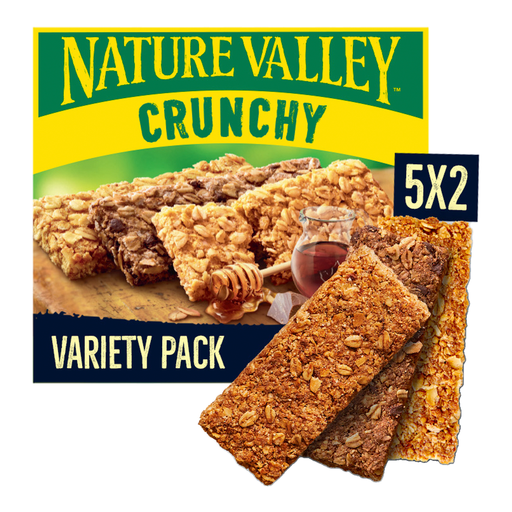
Why This Fits Their Persona: A practical starting point for households wanting several familiar cereal bar flavours in one multipack for cupboards, work bags or school-day routines.
The pack clearly presents three flavours, making it easier to compare preferences without buying several separate boxes.
Includes wholegrain rolled oats and 42g portions; varieties include maple syrup, dark chocolate and honey flavours.
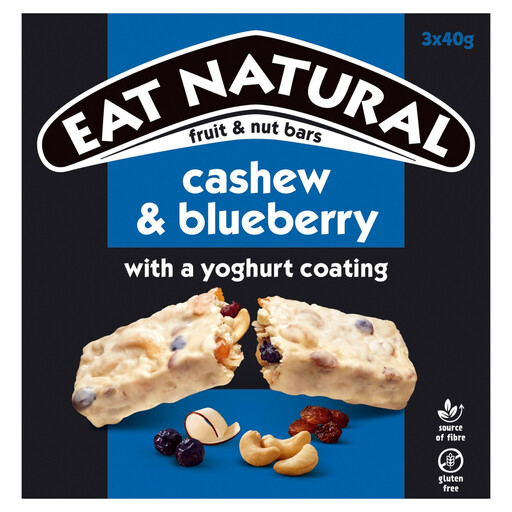
Why This Fits Their Persona: Suits shoppers who prioritise fruit, nuts and individually wrapped portions for a more textured snack during commutes or breaks.
Its ingredient and allergen information makes the presence of cashews, almonds, milk and possible traces of other nuts visible before purchase.
Three individually wrapped 40g bars; contains cashews, almonds, dried berries and 4g fibre per 100g.

Why This Fits Their Persona: The 16-bar format is useful for regular gym visits, hiking, commuting or keeping a dependable supply at work.
The label gives the actual protein amount per 50g bar, rather than relying only on a general high-protein description.
Provides 9g protein per bar and is described as vegan and gluten-free; contains soya and may contain milk, nuts and peanuts.
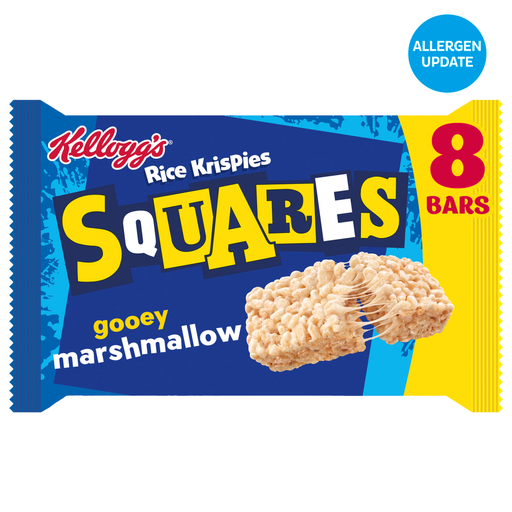
Why This Fits Their Persona: Individually portioned bars are easy to place in lunchboxes, weekend bags or desk drawers when a light cereal-based treat is wanted.
The pack size and 28g serving are clearly stated, helping families plan portions instead of judging size from the wrapper.
Eight individually packed 28g bars; each bar provides 119 kcal and contains puffed rice cereal with a marshmallow-flavoured coating.
We have compiled a complete, real-time list of products that fully satisfy these strict selection criteria and UK safety regulations.
Some breakfast bars can be useful when time is limited, but serving size and nutrition vary. Check energy, fibre, protein, sugar and allergen information. A small cereal bar may be better suited to a light snack, while a larger oat or meal replacement bar may provide more energy. Meal replacement bars should be used according to the product instructions rather than as an automatic substitute for every meal.
Suitability depends on the full ingredient list. Some oat bars are vegan-friendly, while yoghurt coatings contain milk. Protein bars may contain milk or whey, and marshmallow-style products can contain gelatine. Look for a clear vegan or vegetarian statement, then confirm the current packaging and allergen information before buying.
Keep them sealed in a cool, dry place away from direct sunlight and heat. Chocolate coatings may soften in warm conditions, while oat or cereal bars can lose texture if exposed to moisture. Check the best-before date and rotate older packs first, particularly when buying bulk quantities for travel, work or family use.