
24/7 Customer Support

Free returns

Same-day & Next-day Delivery

Quality Guaranteed

Unlock Your Welcome Offers: FREE Delivery | Up to 80% OFF | Free 30-day JoyPlus trial
Download the APP
Snack bars can make busy UK routines easier, whether you need something for a commute, lunchbox, office drawer, gym bag or train journey. However, attractive packaging does not always tell you whether a bar suits your appetite, dietary needs or intended use.
Before choosing between protein bars, cereal bars, breakfast bars and chocolate snack bars, look beyond flavour and promotional wording. A few label details can help you avoid paying for the wrong type of snack.
Many cereal bars contain oats, wheat or puffed rice, but this does not automatically make them high-protein snacks. For example, the listed nutrition for Kellogg’s Coco Pops Chocolate Breakfast Cereal Bars provides 5.7g of protein per 100g, while a 60g Grenade bar lists 21g of protein per serving.
Neither is inherently right or wrong. The important point is to match the product with your purpose. A cereal bar may suit a lunchbox or sweet snack, while a protein bar may be more appropriate when protein intake is part of your food planning.
A low-sugar protein bar can still contain considerable energy from fats, carbohydrates and sweeteners. The Grenade Oreo-flavoured bar lists 1g of sugar and 233 kcal per 60g bar, alongside 17g of polyols. Polyols may affect digestion for some people when consumed in larger amounts, so check the label rather than assuming that low sugar means unlimited portions.
Likewise, chocolate-coated cereal bars may contain whole grains or fibre while still being confectionery-style snacks. Check the full nutrition panel, including energy, saturates, carbohydrates, sugars, fibre and salt.
Individually wrapped snack bars are convenient for school bags, travel and portion planning, but wrapping says nothing about allergen suitability. Products in this category may contain milk, wheat, barley, oats, soya, peanuts or other nuts. Some bars also contain gelatine.
Always read the current packaging, particularly if buying for a child, someone with an allergy or a household following a vegetarian or vegan diet. Ingredients and packaging can change.
For protein bars, compare the protein per bar, not only the amount per 100g. Grenade’s Oreo and White Oreo varieties each list 21g of protein per 60g bar. By comparison, the Graze Cocoa, Vanilla Oat Squares list 1.9g protein per 30g portion, making them more suitable as oat-based snack bars than dedicated protein supplements.
A meal replacement bar has a different purpose again. Slimfast Meal Support Bars list 16g protein and 202 kcal per 60g serving, plus a range of vitamins and minerals. They are designed for meal replacement use according to the supplied product information, so follow the stated serving guidance rather than treating them as ordinary sweets.
If you are comparing low-sugar protein bars, look at three separate figures:
A Special K Red Berry bar provides 83 kcal, 5.8g sugars and 2.1g fibre per 21.5g bar. A Special K Dark Chocolate bar lists 85 kcal and 2.1g fibre per bar. These smaller portions may be useful when you want a controlled sweet snack, but their protein content is modest.
Pack size affects both value and convenience. A four-pack of 60g protein bars gives larger portions for planned use, while a six-pack of 21.5g or 28g cereal bars can be easier to distribute across lunchboxes and office breaks.
Check whether each bar is individually wrapped, especially for on-the-go snacks. Most products should be stored in a cool, dry place and protected from heat. Chocolate coatings and soft fillings can change texture during warm weather or storage in a hot car.
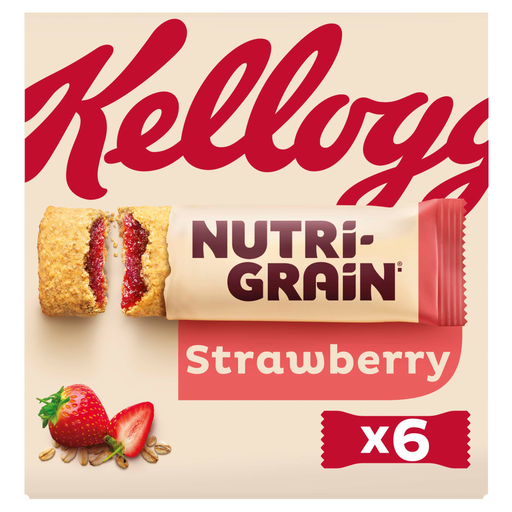
Why This Fits Their Persona: Individually wrapped 37g bars are practical for school lunchboxes, commuting and planned breakfast portions.
The label states 130 kcal and 12g sugars per bar, making portion and sugar levels clear before purchase.
Soft strawberry filling, whole-grain oats and wheat, plus calcium, iron and vitamin D listed in the nutrition information.
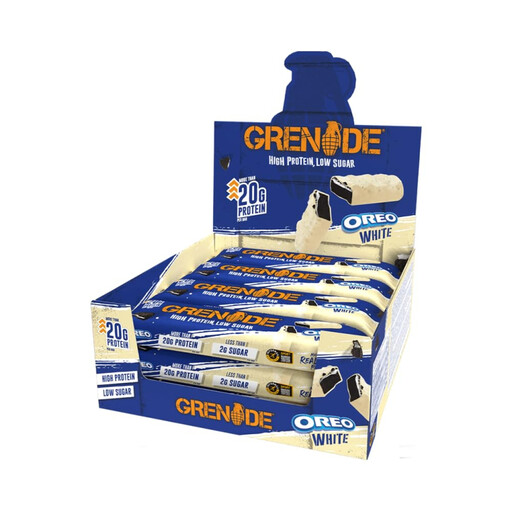
Why This Fits Their Persona: A larger multipack suits regular gym users, bodybuilders and shoppers who prefer to keep individually wrapped bars available at home or work.
The serving panel separates sugar from polyols: 1.3g sugars and 17g polyols per 60g bar.
Lists 21g protein per bar and a White Oreo flavour with cookie pieces and a white chocolate-style coating.

Why This Fits Their Persona: Designed for adults seeking a ready-to-eat option during long workdays, travel or occasions when a conventional meal is inconvenient.
The product provides per-serving energy, protein, fibre, sugars and vitamin and mineral values, rather than relying only on general lifestyle wording.
Provides 16g protein, 4.8g fibre and 202 kcal per 60g serving, with a broad vitamin and mineral panel.
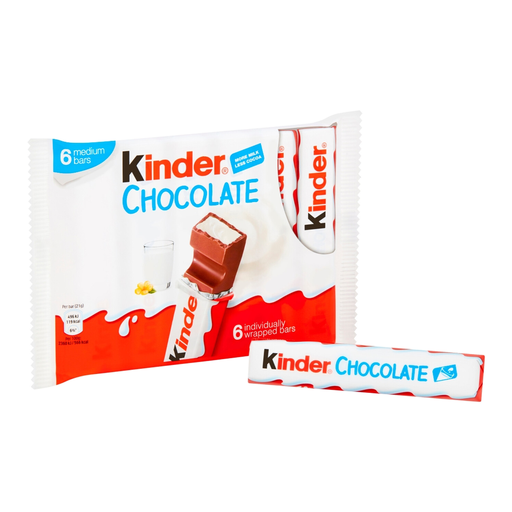
Why This Fits Their Persona: Small individually wrapped portions are convenient for occasional lunchbox treats, family outings or sharing at home.
The 21g bar size makes the portion explicit, while the ingredient and allergen information identifies milk and soya.
Milk chocolate coating, milky filling and six individually wrapped bars for easy storage and distribution.
We have compiled a complete, real-time list of products that fully satisfy these strict selection criteria and UK safety regulations.
For familiar cereal-based options, Kellogg’s Rice Krispies Squares are available in chocolatey and marshmallow formats. The chocolatey version lists 156 kcal and 13g sugars per 36g bar, while the marshmallow version lists 119 kcal and 9g sugars per 28g bar.
Cadbury Brunch bars combine oats or other cereals with chocolate coating. The raisin version provides 117 kcal per 28g bar, while the peanut version contains 9.5% peanuts according to the ingredient declaration. Special K snack bars offer smaller fruit or dark chocolate portions, with wholegrain cereals included in both varieties.
These products can work well as sweet snacks, but they should not be confused with meal replacement bars or high-protein products. Comparing serving size and nutrition per bar prevents misleading like-for-like assumptions.
Some breakfast bars can be convenient when paired with other foods, such as fruit, yoghurt or a drink. However, nutritional content varies widely. Check protein, fibre, sugars and energy, and avoid assuming that a bar alone provides the same variety as a full breakfast.
Most should be kept in a cool, dry place, away from direct sunlight and heat. Do not leave chocolate-coated bars in a hot car, near a radiator or in damp conditions. Always follow the storage instructions and best-before information on the product packaging.
Not automatically. Protein bars are generally designed as snacks or supplements, whereas meal replacement bars have specific serving instructions and nutritional panels. Use each product according to its label, and seek professional advice if you have allergies, medical conditions, take medication or are pregnant or breastfeeding.