
24/7 Customer Support

Free returns

Same-day & Next-day Delivery

Quality Guaranteed

Unlock Your Welcome Offers: FREE Delivery | Up to 80% OFF | Free 30-day JoyPlus trial
Download the APP
Snack bars can be convenient, but attractive packaging does not always tell you what you are buying. A bar labelled “energy”, “natural” or “protein” may still be high in sugar, contain unexpected allergens or be too small to satisfy your appetite. The right choice depends on how you plan to eat it, your dietary requirements and the information printed on the label.
Protein bars and high-protein snacks can be useful after exercise or between meals, but protein content varies considerably. A bar may contain only a few grams per serving while using fitness-focused packaging. Always compare the protein per bar, not only the value per 100g.
Also check calories, sugars and portion size. A 50g bar with 9–10g of protein serves a different purpose from a small cereal bar containing around 1–2g.
Wholegrain oats, fruit and nuts can be valuable ingredients, but they do not automatically make a product low in sugar, fat or calories. Oat bars and flapjacks often contain syrups, oils or chocolate coatings that affect the overall nutrition profile.
The ingredients list is arranged by weight, so ingredients near the beginning make up a larger proportion of the recipe. Look beyond front-of-pack wording and compare the nutrition table per serving.
Snack bars may contain or be made alongside milk, peanuts, tree nuts, soya, wheat, barley or sesame. “Plant-based” does not necessarily mean nut-free or gluten-free. For allergies or coeliac disease, read both the ingredients list and the precautionary “may contain” statement on the latest packaging.
Recipes can change, so product information online should be checked against the label before eating.
Individually wrapped bars are practical for work drawers, school lunchboxes, travel and outdoor activities. Multipacks can reduce the cost per portion, but compare the total weight rather than simply counting bars. A four-pack of 30g bars contains less food than a three-pack of 50g bars.
For everyday treats, smaller cereal or fruit bars may be suitable. For hiking, gym sessions or long journeys, a larger oat bar, flapjack or protein bar may be more filling.
Use the per-serving column to compare products realistically. Useful figures to check include:
A “high protein” claim is regulated in Great Britain and generally requires at least 20% of the food’s energy to come from protein. However, the amount per bar still matters for your intended use.
For gluten-free snack bars, look for a clear gluten-free statement and check the allergen declaration. Under UK rules, a gluten-free claim applies to food containing no more than 20 mg/kg of gluten. Oats may also need particular attention because some products use certified gluten-free oats while others do not.
For vegan snack bars, check for milk, whey, honey and other animal-derived ingredients. Vegetarian suitability is different from vegan suitability. Fruit and nut bars may contain a short ingredient list, but they can still be energy-dense and unsuitable for people with nut allergies.
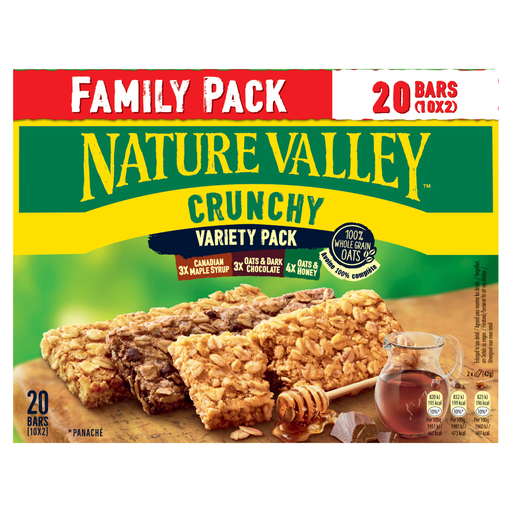
Why This Fits Their Persona: A 10-bar selection gives households several flavours for lunchboxes, office cupboards and everyday snacks without committing to one variety.
The pack lists nutrition for a 42g portion and identifies the three included flavours, making comparison easier than choosing from front-of-pack claims alone.
Wholegrain rolled oats are used in each variety and the bars are individually portioned. Contains oats and soya; wheat, peanuts and tree nuts may be present.
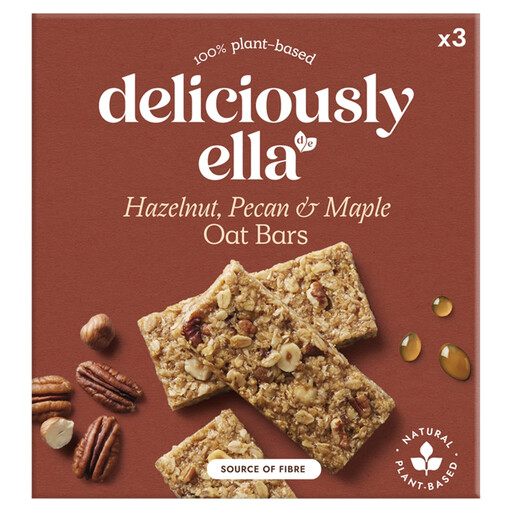
Why This Fits Their Persona: Suitable for shoppers who prefer a baked oat bar with nuts, maple syrup and a chewy texture for desk breaks or travel.
The ingredient list specifies the oat, pecan and hazelnut percentages, helping shoppers assess the recipe rather than relying only on “natural” positioning.
Uses gluten-free oats and provides 5.2g fibre per 100g. Contains almonds, hazelnuts, pecans and other nuts; check the full allergen statement.

Why This Fits Their Persona: A practical option for gym bags, commuting and active days when a compact bar with more protein is preferred.
The label gives a clear 40g serving value, including 10.4g protein and 5.5g fibre, rather than leaving shoppers to estimate the portion.
Contains 26g protein per 100g and is labelled gluten-free and suitable for vegetarians. Contains peanuts, almonds, milk and soya.

Why This Fits Their Persona: The large 16-bar format suits regular snackers, shared workplaces and anyone who wants individually wrapped vegan flapjacks available at home.
The per-bar table shows 9g protein and 227 kcal, while the ingredients identify gluten-free oats and soya protein rather than using an unclear protein blend.
The product is described as vegan and contains no cereals containing gluten. It contains soya and may contain milk, nuts and peanuts.
We have compiled a complete, real-time list of products that fully satisfy these strict selection criteria and UK safety regulations.
Some are, but check the product’s age guidance, texture and allergen information. Bars containing whole nuts may not be suitable where a school has a nut-free policy. Chocolate-coated or fruit-filled bars can also be higher in sugar, so portion size matters.
Most packaged snack bars carry a best-before date and can be stored in a cool, dry place. Heat may soften chocolate coatings or change the texture of oat bars. Keep opened packs sealed and follow the storage instructions on the packaging.
They can be, but they are not automatically more suitable than cereal bars or fruit and nut bars. Compare protein, calories, sugars, saturates and salt per bar. For a routine snack, choose a portion and recipe that fit your appetite and overall eating pattern rather than selecting a bar solely because it uses “protein” on the front.