Shoppers comparing individual portions
If you want one sweet bar during a film, compare both kcal per bar and bar weight. A smaller calorie figure can come with a smaller snack.


For a movie-night snack bar, compare calories for the portion you intend to eat, then check its weight, sugars and allergens. Eat Natural lists 86 kcal for its 25 g Apple Soft Fruit Bar, Tesco lists 90 kcal for a 24 g Fibre One Chocolate Fudge Brownie, and Joybuy lists 131 kcal for a 35 g Nākd Blueberry Muffin bar; the different portion sizes matter as much as the numbers.
If you want one sweet bar during a film, compare both kcal per bar and bar weight. A smaller calorie figure can come with a smaller snack.
When someone needs to avoid particular ingredients, choose from the declaration on the exact pack. Nut, peanut, milk, soya and cereal ingredients differ between the bars discussed here.
Fruit-and-nut bars may meet those preferences, but check the individual product’s dietary statements, calories and allergen information rather than relying on the bar style alone.
Start with the portion you plan to eat. Then use the nutrition panel and ingredient list to decide whether the bar suits everyone who will have one.
| Priority | What to check | Your needs |
|---|---|---|
| Portion and calories | Compare kcal per bar with its weight in grams. Check whether the stated serving is one bar or more than one. | I’m planning to eat one bar during the film, so I want its calorie figure to describe that portion. |
| Sugars | Read sugars per bar alongside its weight and calories. Joybuy’s Nākd Blueberry Muffin listing states 17 g sugars per 35 g bar. | A fruit-based bar appeals to me, but I still want to compare its sugars with other sweet snacks. |
| Fibre or protein | Check the amount per stated serving, separately from calories. Tesco lists 5 g fibre per 24 g Fibre One Chocolate Fudge Brownie portion; Nature Valley states around 10 g protein per 40 g Protein Peanut & Chocolate bar. | I may prefer a bar for its fibre or protein content, but I won’t use either figure as a substitute for checking its calories. |
| Ingredients and allergens | Read the ingredients, declared allergens and may-contain statement on the exact pack. Check each flavour separately. | Before I put bars out for everyone, I need to know whether their ingredients and allergen warnings suit the people sharing them. |
Eat Natural’s Apple Soft Fruit Bar is 86 kcal at 25 g, Tesco’s Fibre One Chocolate Fudge Brownie is 90 kcal at 24 g, and Joybuy’s Nākd Blueberry Muffin bar is 131 kcal at 35 g. Those figures describe different-sized portions.
Compare the calorie figure and gram weight together, using the number of bars you actually intend to eat.
Nākd describes its fruit-and-nut bars as having no added sugar, while Joybuy’s Blueberry Muffin listing states 17 g sugars per 35 g bar. The two statements describe different things.
Check sugars on the nutrition panel even when the front of the pack emphasises fruit or no added sugar.
Eat Natural states 220 kcal per 40 g Peanuts & Dark Chocolate Protein Bar. Its protein-bar description does not tell you whether it fits your planned calorie portion.
If calories are your main consideration, check energy for the exact bar before comparing its protein content.
Fruit-and-nut bars can contain named nuts and carry may-contain warnings for other ingredients. Vegan or gluten-free descriptions do not answer every allergy question.
Check the ingredients and warnings on each exact pack before serving it to someone who needs to avoid an allergen.
These examples show why the product and serving size matter more than a brand name alone; they do not describe every bar in each range.
Eat Natural lists 86 kcal per bar for its Apple Soft Fruit Bar and 220 kcal per 40 g bar for its Peanuts & Dark Chocolate Protein Bar.
Nākd describes its fruit-and-nut bars as vegan and free from gluten, wheat and dairy. Joybuy lists its Blueberry Muffin bar at 131 kcal per 35 g.
Graze offers oat-based snack formats and describes its own approach to thresholds for calories, sugar, salt and saturated fat.
Nature Valley’s Crunchy Oats & Honey information states 196 kcal for a two-bar, 42 g serving. Its Protein Peanut & Chocolate information states around 10 g protein per 40 g bar.
Alpen Muesli says its Light Bars Chocolate & Orange are no longer made.
These Joybuy listings cover individually portioned chocolate, oat and fruit-and-nut bars for a movie-night snack. Check each pack’s calorie and allergen information against the portion you plan to eat.
 No image available
The 21.5 g bar size gives you a stated portion for a chocolate snack during a film. Check its current per-bar calories, ingredients and allergens on the pack.
 No image available
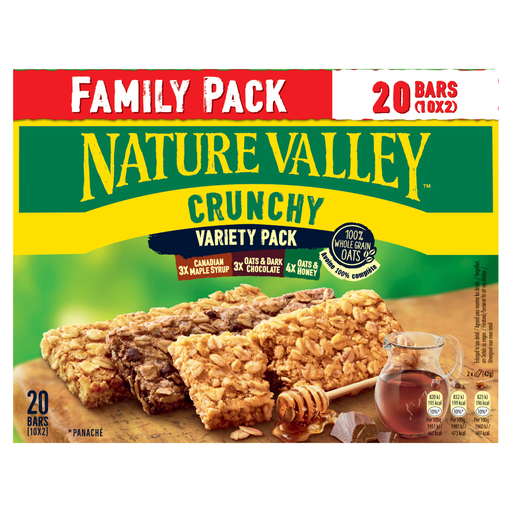
This variety pack is an option when you want a crunchy bar. Check the serving definition and nutrition panel for the particular flavour, especially if you plan to eat one bar rather than a full pack.
 No image available
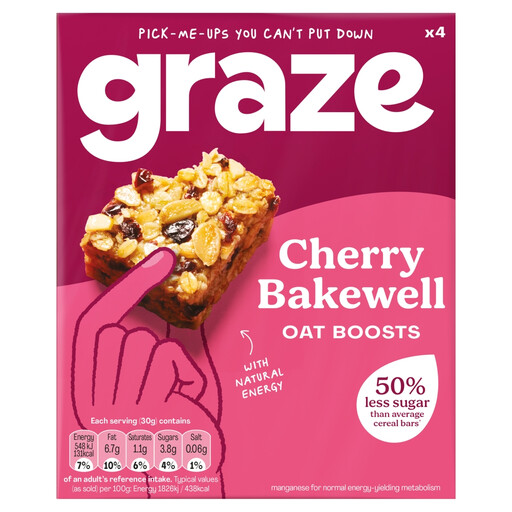
This 30 g oat bar offers a Cherry Bakewell flavour if you prefer an oat-based snack. Compare its per-bar calories and sugars with the smaller bars, and check the exact pack for allergens.
 No image available
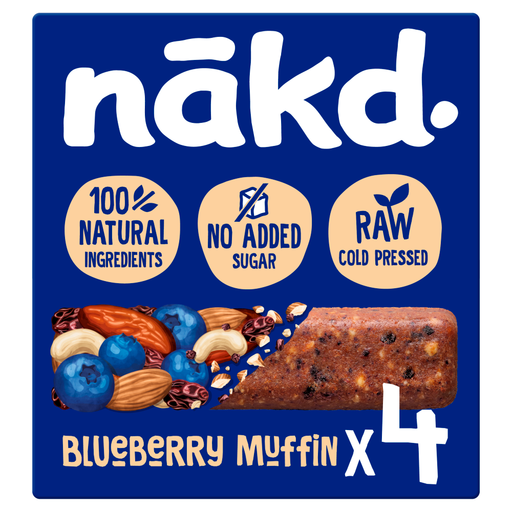
For a fruit-and-nut option, Joybuy lists 131 kcal and 17 g sugars per 35 g bar. Nākd describes the range as vegan and gluten-free, but this bar contains almonds and cashews; check the pack’s full allergen declaration.
Compare kcal for the amount you intend to eat, then look at the bar’s gram weight. Eat Natural’s Apple Soft Fruit Bar is 86 kcal at 25 g, Tesco’s Fibre One Chocolate Fudge Brownie is 90 kcal at 24 g, and Joybuy’s Nākd Blueberry Muffin bar is 131 kcal at 35 g.
No: the statement concerns added sugar, not the total sugars figure. Nākd describes its fruit-and-nut bars as having no added sugar, while Joybuy lists 17 g sugars per 35 g Blueberry Muffin bar.
Not on that description alone. The Nākd Blueberry Muffin bar contains almonds and cashews, while Eat Natural’s vegan, gluten-free Apple Soft Fruit Bar contains almonds. Check the ingredients and may-contain statement on the exact pack.
Check the ingredients, declared allergens and may-contain warnings on each product you will serve. Flavours and bar types can differ, so a dietary description or another bar from the same brand is not a substitute for the exact pack.