Car boot sale sellers stocking sealed refreshments
Individually wrapped bars can be displayed without preparing food at the stall. Keep each product's ingredients and allergen information accessible so customers can check the bar they are buying.


For a calorie-first car boot sale selection, compare kcal per individually wrapped bar, then check the bar weight and full label. In the reviewed retailer listings, Graze Honey Oat Boosts provide 129 kcal per 30 g bar, Graze Cherry Bakewell Oat Boosts 131 kcal per 30 g bar and Nakd Berry Delight 133 kcal per 35 g bar; Nakd offers a labelled vegan and gluten-free option but contains cashews. Keep the original packaging available for customers, and check which food-business requirements apply to the sale.
Individually wrapped bars can be displayed without preparing food at the stall. Keep each product's ingredients and allergen information accessible so customers can check the bar they are buying.
Compare the declared kcal for one bar alongside its weight. A claim such as “natural”, “no added sugar” or “high protein” does not replace the nutrition panel.
A clearly labelled vegan or gluten-free option may broaden the choice at a stall. Check its ingredients and allergen statements separately: neither claim means a bar is nut-free.
Start with the serving customers will actually buy, then check dietary labels, allergens and how the bars will be sold.
| Priority | What to check | Your needs |
|---|---|---|
| Calories per bar | Compare kcal for one wrapped bar and note its weight. Use the per-100 g value if you also want to compare bars of different sizes on the same basis. | I want customers to see the amount in the portion they will eat, without mistaking a smaller bar for a like-for-like nutrition difference. |
| Sugars and claims | Read total sugars per bar as well as any “no added sugar”, protein or fibre claim. Check the nutrition panel rather than treating one claim as a verdict on the whole bar. | A fruit bar may suit the display, but I do not want to describe it as low in sugar just because it has no added sugar. |
| Ingredients and allergens | Check the current wrapper for ingredients, declared allergens and may-contain statements. Read vegan and gluten-free claims alongside that information. | Customers need to be able to check the exact bar before choosing, particularly when a mixed display includes nuts, milk, soya or cereals containing gluten. |
| Stall arrangements | Keep manufacturer-sealed bars in their labelled wrappers. If you pack food yourself before sale, check whether prepacked-for-direct-sale labelling rules apply; ask the relevant local authority about registration for your activity. | Before I put refreshments on a stall, I need to know which requirements apply to the way and frequency with which I sell them. |
Action on Sugar's 2025 snack-bar audit reported that 37% of the bars it reviewed met UK front-of-pack thresholds for high sugars and 55% for high saturated fat. A protein or fibre claim does not describe those other values.
Compare kcal, sugars and saturated fat using the nutrition panel, and keep the serving size in view.
Tesco's listing for Nakd Berry Delight gives 17 g sugars per 35 g bar despite its no-added-sugar claim.
Describe the claim accurately and let customers inspect the total-sugars figure rather than substituting one statement for the other.
Customers choosing between different bars need the ingredients and allergen statement for the particular product they pick up. A vegan or gluten-free label does not answer every allergy question.
Leave bars in their original wrappers, avoid an unlabelled mix of loose products and check current packaging when restocking. Food Standards Agency guidance sets out additional ingredients and allergen-labelling requirements where a food business packs food for direct sale.
Food Standards Agency guidance says food-business registration can apply to temporary stalls. Its guidance on very limited and infrequent food activity says the local authority may decide registration is unnecessary; that is not an automatic exemption from providing safe food.
Ask the relevant local authority what applies to your activity before stocking food for resale.
These examples describe particular listed products, not every bar made by each brand or the products available in the Joybuy selection below.
Waitrose lists Honey Oat Boosts at 129 kcal per 30 g bar; Tesco lists Cherry Bakewell Oat Boosts at 131 kcal per 30 g bar.
Tesco lists Berry Delight as a 35 g fruit-and-nut bar with 133 kcal per bar and vegan, gluten-free and dairy-free claims.
Nature Valley lists its Protein Peanut & Chocolate bar at 196 kcal, about 10 g protein and about 4 g fibre per 40 g bar.
Waitrose lists Dark Chocolate Almonds, Cranberries & Coconut at 193 kcal per 40 g bar.
TREK describes Cocoa Oat as a vegan protein flapjack and gives 227 kcal and 9 g protein for a 50 g bar.
Alpen's referenced UK product page describes its muesli range.
These oat, cereal and fruit-flavoured bar multipacks are options to assess for a car boot sale refreshment display. Compare each pack's current per-bar nutrition and allergen label before choosing stock; the retailer-listed examples above are not calorie figures for these separate listings.
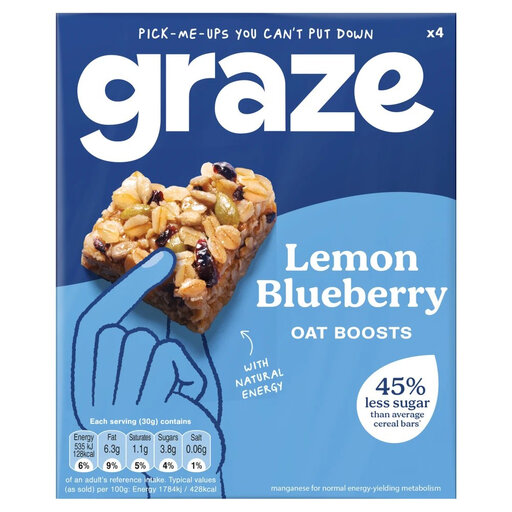 No image available
A four-bar oat option for the refreshment display. Compare kcal on the current 30 g bar label; the product information identifies oats and soya among its allergens and advises checking the pack for further warnings.
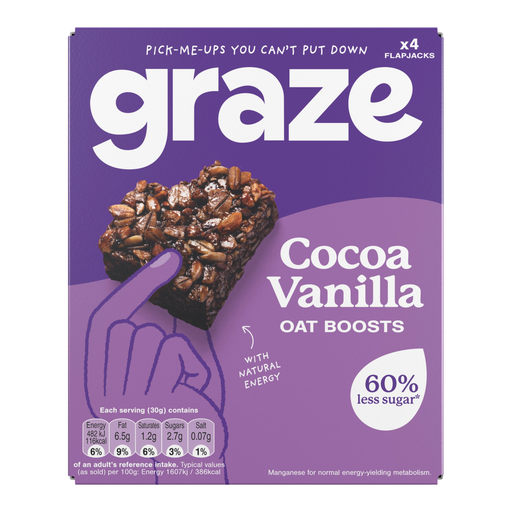 No image available
For a 30 g oat-square option, check the current per-bar kcal and protein figures rather than judging it by “Protein Bites” in the name. The product information identifies oats and soya as allergens and advises checking the pack for other warnings.
 No image available
The stated 21.5 g bar is smaller than the 30 g and 35 g examples discussed above. Compare both kcal per bar and per 100 g; the product information identifies wheat, barley, oats, milk and soya among the allergens.
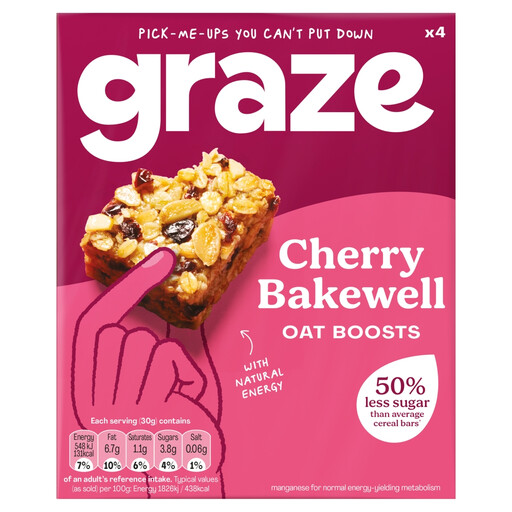 No image available
This is the same named variety as the Tesco-listed example, but use the current pack's kcal figure when stocking it: the supplied product information gives a different per-bar figure from that listing. The product information identifies oats and almonds.
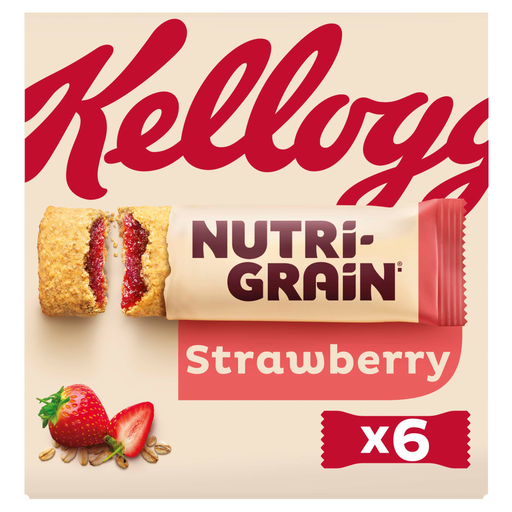 No image available
A strawberry bar multipack to compare by the nutrition information for one bar, not only the 222 g pack weight. The product information identifies wheat, soya and milk allergens and advises checking the wrapper for may-contain statements.
Use the declared kcal per bar rather than treating “low calorie” as an established claim for these products. Waitrose lists Graze Honey Oat Boosts at 129 kcal per 30 g bar, Tesco lists Graze Cherry Bakewell Oat Boosts at 131 kcal per 30 g bar and Tesco lists Nakd Berry Delight at 133 kcal per 35 g bar; check the current pack of any bar you stock.
No. Tesco lists Nakd Berry Delight as having no added sugar but gives 17 g total sugars per 35 g bar. Check total sugars on the nutrition panel when that distinction matters to your selection.
Food-business registration can apply to a temporary stall, according to Food Standards Agency guidance, so ask the relevant local authority about your planned activity before selling. Its guidance says the authority may decide that very limited and infrequent food activity does not need registration. Food Standards Scotland states that food businesses in Scotland must register with their local authority at least 28 days before opening.
Keep manufacturer-prepacked bars in their original labelled wrappers so customers can inspect the ingredients and allergens for the exact product. If a food business packs food before it is selected for sale, Food Standards Agency guidance says prepacked-for-direct-sale food must carry its name and a full ingredients list with allergenic ingredients emphasised.
No single dietary claim establishes suitability for every customer. Tesco lists Nakd Berry Delight as vegan and gluten-free, but it contains cashews; customers should also inspect the current pack's full allergen and may-contain statements.