Shoppers counting carbohydrates
If you use a carbohydrate plan, compare the total carbohydrate for one wrapped bar with the amount that fits your plan. Diabetes UK notes that front-of-pack traffic-light information does not include carbohydrate.


Choose an individually wrapped bar by checking the total carbohydrate in the bar you intend to eat against your own carbohydrate plan, rather than relying on a sugar or protein claim. Diabetes UK advises that whether someone needs a snack depends on factors including their diabetes type, insulin programme and activity; portion size, ingredients and allergens also matter when choosing a grab-bag option.
If you use a carbohydrate plan, compare the total carbohydrate for one wrapped bar with the amount that fits your plan. Diabetes UK notes that front-of-pack traffic-light information does not include carbohydrate.
If you want a bar to carry for a particular occasion, consider both the portion and whether a snack is needed then. Diabetes UK says this depends on factors including diabetes type, insulin programme and activity.
A vegan, gluten-free or dairy-free claim answers a different question from the carbohydrate figure. Check both the nutrition panel and the allergen information for the exact bar.
Start with the amount in one wrapped bar, then compare the other label details that matter for the occasion and the person eating it.
| Priority | What to check | Your needs |
|---|---|---|
| Carbohydrate per bar | Find total carbohydrate on the back-of-pack nutrition panel. Check whether the figure is per bar, per serving or per 100g, and how many bars make up a serving. | I want to know the carbohydrate amount in the wrapped bar I might eat, so I can compare it with my own plan. Diabetes UK notes that front-of-pack traffic lights do not show carbohydrate. |
| Sugar claims | Read both total carbohydrate and “of which sugars” for the same portion. Check the ingredients as well as any “no added sugar” or comparative sugar claim. | A no-added-sugar label is not enough for my decision: nākd. lists 19g carbohydrate and 15g sugars per 35g Cocoa Delight bar on its product panel. |
| Portion and other nutrition | Compare the weight, energy, protein and fibre figures for the bar you would eat. Keep figures from different serving sizes distinct. | For a bar carried in a bag, I want the wrapped portion to match the snack occasion. Protein or fibre figures do not replace the carbohydrate check. |
| Ingredients and allergens | Read the current pack’s ingredients, highlighted allergens and “may contain” statement. Check dietary claims on the exact variant. | If I avoid nuts, milk or soy, I need the allergen information as well as the nutrition panel; a dietary claim alone cannot answer both questions. |
Sugars already present in ingredients still appear in the nutrition figures. For example, nākd. lists 19g carbohydrate and 15g sugars per 35g Cocoa Delight bar.
Compare total carbohydrate for one bar first, then read the sugar figure and ingredients.
Diabetes UK explains that traffic-light information does not include carbohydrate, so it cannot provide the figure needed for carbohydrate counting.
Turn to the nutrition panel and check whether its carbohydrate figure refers to one bar or another serving size.
Protein does not remove a bar’s carbohydrate or allergens. Eat Natural lists 13.4g carbohydrate per 40g Dark Chocolate & Peanut Protein bar; Nature Valley lists peanuts, almonds, soy and milk in its Salted Caramel Nut Protein bar.
Check the exact bar’s carbohydrate, portion and allergen statement before using protein or fibre as further points of comparison.
Diabetes UK says the need for a snack varies with circumstances including diabetes type, insulin programme and activity.
Decide which occasions the bars are for and assess the amount in one wrapped portion against your plan.
These examples show why the exact variant and its current label matter; a brand name alone does not establish carbohydrate or allergy suitability.
Its UK range includes Crunchy and Protein bars. Nature Valley’s panel for the Protein Salted Caramel Nut variant gives figures for a 40g bar.
Graze offers Oat Boost flapjacks. Tesco lists the Cocoa Vanilla Oat Boost as a 30g serving with 2.7g sugars and 116 kcal.
The Cocoa Delight fruit-and-nut bar is described by nākd. as vegan, gluten-free, dairy-free and containing no added sugar.
Its Dark Chocolate & Peanut Protein bar is a documented 40g nut-and-chocolate option.
Trek protein flapjacks include Cocoa Oat multipack formats listed on Joybuy.
Alpen’s product-availability information identifies several named bar variants that are no longer made.
These Nature Valley and KIND multipacks offer wrapped bars to assess one portion at a time. Compare the nutrition and allergen information for the exact pack you choose; the product names alone do not establish that a bar fits a diabetes plan.
 No image available
For a planned wrapped portion, check the pack’s total carbohydrate figure before deciding whether a bar fits. Joybuy lists 10.0g carbohydrate per 40g serving, while Nature Valley lists 10.5g for its Protein Salted Caramel Nut bar; the current pack is the figure to use. Nature Valley lists peanuts, almonds, soy and milk as ingredients.
 No image available
This four-bar pack gives you 40g portions to compare with your intended snack amount. Check total carbohydrate for one bar on the current nutrition panel and read its allergen statement before choosing it.
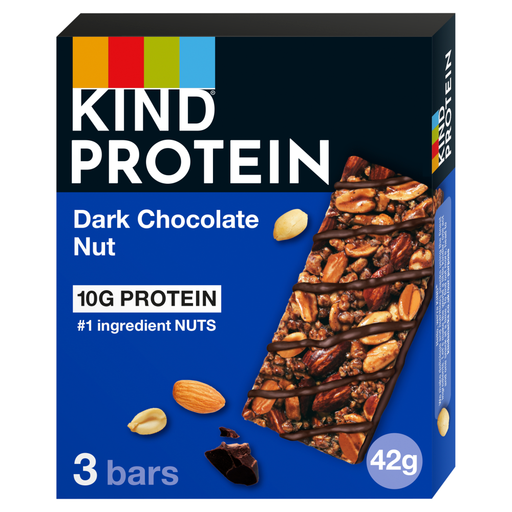 No image available
If you prefer a nut-and-chocolate bar, use the nutrition panel for one 42g bar to assess the portion. Check the exact pack’s ingredients and allergen statement as well as its carbohydrate figure.
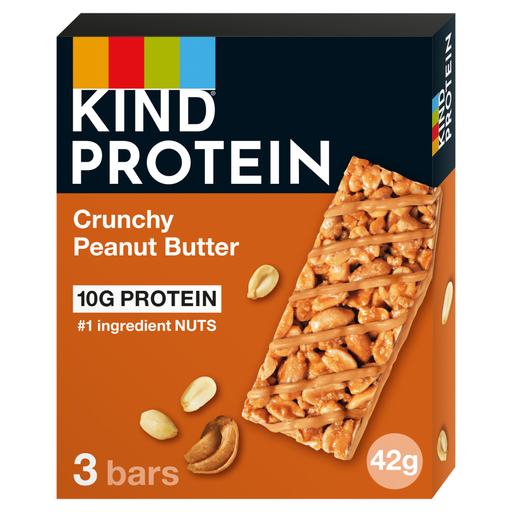 No image available
This pack contains three 42g peanut-butter bars. Compare the carbohydrate figure for one bar with your plan, and check the current ingredients and allergen statement before eating it.
 No image available
The eight-bar pack provides 40g portions for planned grab-bag use. Check how the current nutrition panel presents carbohydrate, then work out the amount for one bar if it gives figures only per 100g; read the allergen statement for this pack too.
No. Check total carbohydrate for the bar you will eat, not just its sugar claim. Diabetes UK notes that front-of-pack traffic lights omit carbohydrate, while nākd.’s own panel lists 19g carbohydrate and 15g sugars per 35g Cocoa Delight bar despite its no-added-sugar claim.
Use the carbohydrate amount for the portion you will actually eat. Check whether the pack gives values per bar, per serving or per 100g, then compare the appropriate amount with your own carbohydrate plan.
Not necessarily. Diabetes UK says the need to snack depends on factors including diabetes type, insulin programme and activity. Choose bars for occasions that fit the plan you follow rather than assuming a multipack calls for routine snacking.
Read the ingredients and allergen statement on the exact current pack. Nature Valley lists peanuts, almonds, soy and milk for its Protein Salted Caramel Nut bar; Eat Natural lists peanuts and soy, with possible milk and tree-nut presence, for its Dark Chocolate & Peanut Protein bar.
No. Protein does not replace checking carbohydrate, portion size or allergens. Nature Valley lists 10.5g carbohydrate per 40g Protein Salted Caramel Nut bar, and Eat Natural lists 13.4g per 40g Dark Chocolate & Peanut Protein bar; assess the exact bar against your own plan.