Recreational runners planning a pre-run snack
An individually wrapped portion is convenient to carry, but test the bar and your intended eating time during training before buying it in bulk.


For a snack before a recreational 5k, choose a bar and portion you have already tried during training rather than buying a large pack on the strength of a protein claim. The UK Sports Institute advises trial and error with pre-run food and says runners commonly eat one to three hours beforehand. Compare the nutrition for the portion you would actually eat, check the exact flavour’s allergens, and consider whether you will use the whole pack before its best-before date.
The useful pack size depends on when you plan to eat the bars and whether you have already tried that portion near a run.
An individually wrapped portion is convenient to carry, but test the bar and your intended eating time during training before buying it in bulk.
Compare the exact flavour and current pack label. A vegan or gluten-free claim does not replace a check of the ingredients and any precautionary allergen statement.
If the bars are mainly for after a run or between meals, compare the actual serving size and its carbohydrate, protein and fat rather than choosing by the word “protein” alone.
Decide when you will use the bars, then compare like-sized servings before committing to a larger pack. A pre-run choice still needs a trial at your intended timing.
| Priority | What to check | Your needs |
|---|---|---|
| Timing and portion | Check the weight of one bar, whether a serving contains two bars, and whether the pack lets you try a consistent portion. The UK Sports Institute advises testing pre-run food and timing during training. | I want a portion I can try before an ordinary 5k, not a whole case of an unfamiliar bar. |
| Nutrition per serving | Read carbohydrate, protein, sugars and fat for the stated serving. Nature Valley UK lists 27g carbohydrate for a two-bar, 42g serving of its Crunchy Variety Pack; that is not a figure for every oat bar. | For a pre-run snack, I want to know what my actual portion contains. For another time of day, I may be comparing different bar formats. |
| Pack size and use | Compare the number of usable servings, individual wrapping, net weight and best-before date. If comparing purchase costs, use the delivered cost per bar or per 100g alongside the portion size. | A bigger pack only works for me if I like the flavour and will use the bars before their best-before date. |
| Ingredients and allergens | Check the ingredient list, dietary claims and “may contain” wording for the exact flavour. The Food Standards Agency explains that precautionary allergen labelling communicates possible unintentional allergen presence. | I need to check the bar itself, not assume that every flavour from a familiar brand meets the same dietary requirements. |
A bar you enjoy at another time may not suit your chosen pre-run timing. The UK Sports Institute advises runners to use trial and error.
Try one serving during ordinary training at the time you expect to eat it, then decide whether a larger pack makes sense.
Protein-bar labels can describe quite different portions. For example, Ocado lists 22g carbohydrate for the 50g Cocoa Oat bar in a TREK variety pack, while Tesco lists 15g per 45g nākd Peanut Butter Protein bar.
Compare the serving you would eat and its full nutrition panel, then consider whether the bar is intended for before the run or another time of day.
Recipes differ: Eat Natural’s peanut and dark-chocolate protein bar contains peanuts and soya, while Nature Valley UK lists oats and soya in its Crunchy Variety Pack and warns that it may contain other allergens.
Read the current ingredients and precautionary statement for the exact flavour before buying several packs.
Words such as “natural” or “protein” do not give the amounts of sugars, saturated fat or salt in the portion you will eat.
Compare the nutrition panels for the exact packs and serving sizes under consideration, rather than assuming the descriptions mean the same thing.
These brand examples describe particular product lines, not a claim that every bar from each brand has the same ingredients or nutrition.
Its Oat Boost flapjacks offer a smaller, individually wrapped oat-bar format to consider for a portion trial.
Its Crunchy Variety Family Pack has two-bar portions with published serving nutrition.
Alpen’s cited UK range is wholegrain muesli for breakfast, a different format from an individually wrapped running snack bar.
Its nut-led protein bars may interest shoppers choosing a snack for another time of day.
Its fruit-and-nut and protein bars include small multipacks that allow a lower-commitment flavour trial.
TREK’s protein flapjacks include 50g bars in larger variety packs as well as smaller multipacks.
These Joybuy options include oat and protein-flapjack multipacks to consider for a 5k training routine. Their pack sizes and flavours differ; try an appropriate portion before making a larger repeat purchase.
 No image available
A 16-bar pack for someone who already knows this flavour and portion suit their routine. Ocado lists 22g carbohydrate for a 50g Cocoa Oat bar in the TREK variety pack, while TREK states that its Protein Flapjacks contain 9g plant protein. Check the current label for this pack’s nutrition and allergens, and try a bar during training before eating it near a run.
 No image available
This three-bar pack is a smaller way to try the salted caramel flavour before committing to more. Each bar is listed as 50g; check its own nutrition and allergen label rather than applying figures from a different TREK flavour.
 No image available
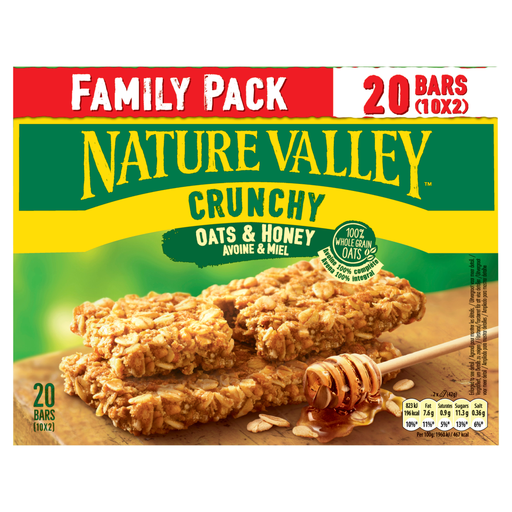
A larger oats-and-honey pack to consider if you have already tried this flavour. Check how the 20 bars are divided into servings, and read this variant’s own nutrition and allergen label before using it to plan pre-run portions.
 No image available
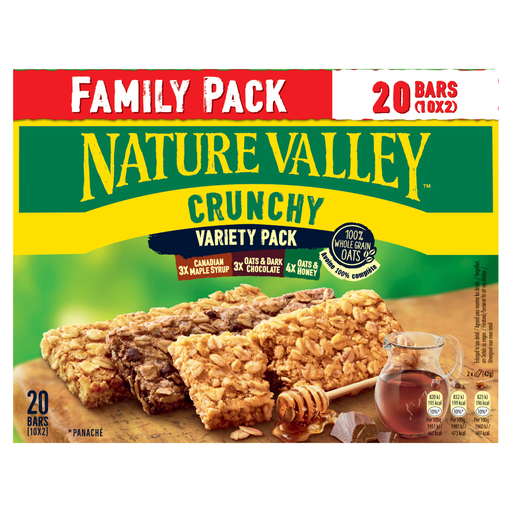
The variety format offers 10 stated 42g portions. Nature Valley UK lists 27g carbohydrate per two-bar 42g portion for its Crunchy Variety Pack. It lists oats and soya among the ingredients and warns that the pack may contain nuts, peanuts and wheat; check the current label for each flavour.
 No image available
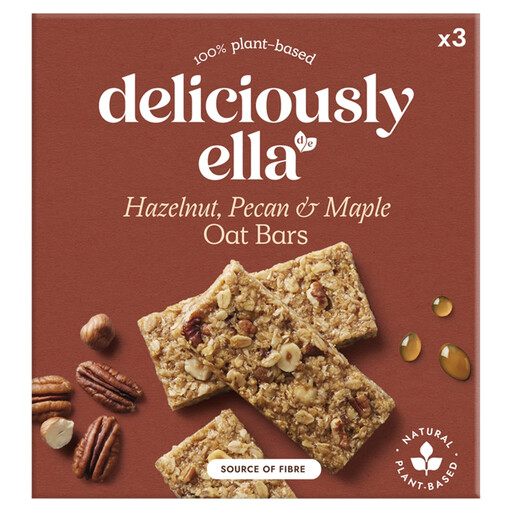
A hazelnut-and-pecan oat-bar multipack for shoppers considering a nut-containing flavour. The pack is listed as 150g; check its bar count, nutrition per bar and full allergen statement before comparing it with other portions or trying it near a run.
No particular protein bar is required for a recreational 5k. The UK Sports Institute advises against fuelling a parkrun as though it were a marathon; if you want a pre-run snack, compare its carbohydrate portion and choose a bar you have already tolerated during training.
Try your chosen bar, portion and eating time during an ordinary training run. The UK Sports Institute says runners commonly eat one to three hours beforehand, but advises trial and error because timing varies between individuals.
Compare usable servings, bar weight, nutrition for the stated portion and best-before dates alongside the delivered cost per bar or per 100g. A 30g flapjack and a 50g bar are different-sized portions, so pack count alone does not make them directly comparable.
Read the current ingredient list and any “may contain” statement on the exact flavour before buying a multipack. For example, Nature Valley UK lists soya in its Crunchy Variety Pack and warns that it may contain nuts and peanuts; Tesco lists peanuts in the nākd Peanut Butter Protein bar and warns that it may contain soya and nuts. The Food Standards Agency explains that precautionary allergen wording communicates possible unintentional allergen presence.