Hosts comparing total fat
If bars come in different sizes, compare their fat values per 100 g before deciding which belong in a lower-fat selection. Use the per-bar value afterwards to plan what one portion provides.


Compare total fat per 100 g before choosing bars for a lower-fat section of a Boxing Day buffet: Weetabix Cereals lists 4.3 g for Alpen Light Summer Fruit and 6.5 g for Chocolate & Fudge, while the cited Nature Valley and Eat Natural bars have higher figures. Then check fat per bar for portion planning and keep each flavour’s wrapper available so guests can identify ingredients and allergens. A lower figure in this comparison does not, by itself, substantiate a ‘low fat’ or ‘reduced fat’ claim.
If bars come in different sizes, compare their fat values per 100 g before deciding which belong in a lower-fat selection. Use the per-bar value afterwards to plan what one portion provides.
Protein or fibre may matter more to some guests than a lower total-fat figure. Nature Valley UK lists 28.3 g fat per 100 g for its Protein Peanut & Chocolate bar, so its protein content should not be treated as evidence that it is lower in fat.
Keep product-specific packaging available when serving several flavours. Ingredients, allergens and precautionary statements can differ between bars, even within a mixed buffet.
Compare bars on the same weight basis first, then check the portion and the information guests will need when choosing one.
| Priority | What to check | Your needs |
|---|---|---|
| Total fat | Compare fat per 100 g on the exact flavours. Weetabix Cereals lists 4.3 g for Alpen Light Summer Fruit and 6.5 g for Chocolate & Fudge; Nature Valley UK lists 18.1 g for Crunchy Oats & Honey. | I want to distinguish a lower-fat choice within the bars I’m serving from one that simply has a small portion or a ‘light’ name. |
| Portion | Check fat per bar as well as per 100 g. Weetabix Cereals lists 0.8 g fat for one 19 g Alpen Light Summer Fruit bar. | If guests take one bar each, I want to know what that individual portion contains. |
| Protein and fibre | Read these values alongside total fat rather than using them as substitutes for it. Nature Valley UK lists 10.2 g protein, 4.4 g fibre and 11.3 g fat per 40 g Protein Peanut & Chocolate bar. | I may offer a protein bar as a separate choice, without presenting it as the lower-fat option. |
| Allergens | Check the ingredients, highlighted allergens and any precautionary statement on each exact pack. Keep flavours identifiable when setting out mixed bars. | Guests need to be able to check a particular bar rather than rely on a label for the whole basket. |
| Dietary format | Confirm claims such as vegan or gluten-free on the chosen product’s packaging, then check its fat per 100 g separately. | I might need a bar that meets a dietary preference, but that does not automatically make it a lower-fat choice. |
A bar can have less fat than another bar without its packaging substantiating a specific nutrition claim.
Describe the comparison precisely, and check the exact pack before using ‘low fat’ or ‘reduced fat’ wording on a buffet label.
Different bar sizes can make per-bar figures difficult to compare. Nature Valley UK recommends per-100-g values for comparing products of different sizes.
Compare total fat per 100 g first; use fat per bar to plan individual portions.
Nature Valley UK lists 28.3 g fat per 100 g for Protein Peanut & Chocolate, while Eat Natural UK lists 36.3 g per 100 g for its Peanuts & Dark Chocolate Protein Bar.
If you serve these formats, let guests choose them for their stated product attributes rather than grouping them with lower-fat bars.
Once wrappers are removed, guests may struggle to match a bar to its ingredients and allergen information.
Keep bars in their wrappers, or keep each flavour separate with its matching packaging available.
These brand examples illustrate different formats; compare exact flavours rather than treating a brand name as a nutrition claim.
The Alpen Light cereal-bar range includes flavours with different declared fat values.
Its crunchy oat and peanut protein bars offer different formats for the buffet.
Graze Oat Boost flapjacks provide an oat-based format to compare with cereal and protein bars.
According to nākd, its fruit-and-nut bars suit vegan, gluten-free, wheat-free and dairy-free dietary preferences.
The Peanuts & Dark Chocolate Protein Bar is a peanut-led option rather than a lower-fat lead for this buffet.
Trek protein flapjacks are another format a host might consider for a mixed selection.
These options include cereal and oat bars alongside a protein bar for a mixed Boxing Day buffet. Check each exact pack’s nutrition and allergen information before deciding which, if any, to describe as lower in fat.
 No image available
The four-pack offers an orange-flavoured cereal-bar option for the buffet. ‘Light’ in the name is not enough to establish a low-fat claim: compare the exact pack’s fat per 100 g and check its allergen information.
 No image available
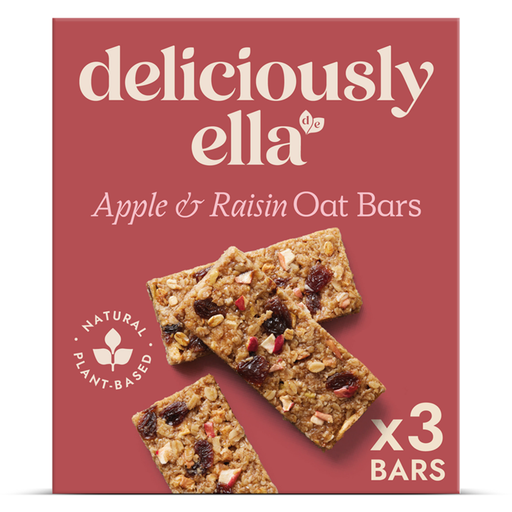
These apple, raisin and cinnamon oat bars provide another format for a mixed selection. Compare the exact product’s fat per 100 g with the other bars, and check the wrapper for dietary and allergen information.
 No image available
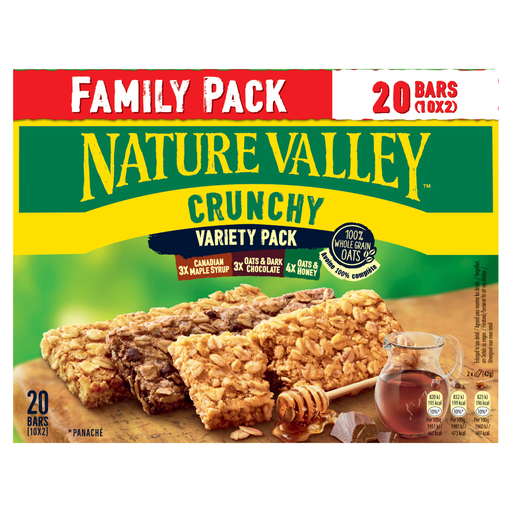
A variety pack can add crunchy bars to the buffet. Check the fat per 100 g and ingredients for each included flavour rather than assigning one flavour’s values to the whole pack.
 No image available
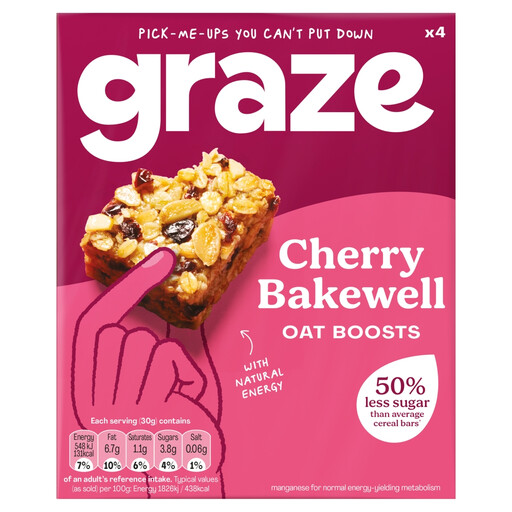
These Cherry Bakewell oat flapjacks offer a different bar format from the crunchy options. Check this flavour’s total fat per 100 g and its allergen statement before giving it a place in a lower-fat selection.
 No image available
This double-chocolate protein bar provides a separate option for guests choosing that format. Check its fat per 100 g alongside its protein value rather than assuming a protein bar meets the buffet’s lower-fat aim; retain its allergen information when serving.
No. Read the exact product’s nutrition panel: Weetabix Cereals lists 4.3 g fat per 100 g for Alpen Light Summer Fruit and 6.5 g for Alpen Light Chocolate & Fudge. The name alone does not establish a ‘low fat’ or ‘reduced fat’ claim.
Compare total fat per 100 g first so the bar sizes do not distort the comparison. Then read fat per bar to understand the individual portion you intend to serve.
Yes, keep the exact product information accessible so guests can check ingredients, allergens and precautionary statements. If you group bars by flavour, keep each group identifiable and its matching packaging nearby.
Keep different bars separate when guests need to identify ingredients or allergens. A mixed bowl of unwrapped bars makes it difficult to match an individual bar to its packaging and any precautionary statement.