What should you check before buying?
Start with the occasion you are buying for, then compare the individual bars—not just the number in the multipack.
| Priority |
What to check |
Your needs |
| Timing and tolerance |
Read the carbohydrate, fibre and fat amounts per bar. If you plan to eat one before running, test the specific bar, portion and timing on an ordinary training run, as the UK Sports Institute advises. |
I need something I can carry to a session, but I would rather learn how it sits with me in training than try it for the first time on race day. |
| Food after a run |
Compare carbohydrate and protein per individual bar, including the bar’s size. Decide how it fits with the other food and drink you plan to have after the session. |
For a snack after running, I want to know what one bar provides—not assume that a protein-focused name tells me everything about it. |
| Ingredients and allergens |
Check the exact flavour’s ingredient list, dietary labels and allergen statements. A vegan or gluten-free description does not rule out nuts or soya; formulations can differ between bars. |
If I avoid a particular ingredient, the label on the pack I buy matters more than a claim associated with another flavour. |
| Pack and portion |
Compare bars per pack, grams per bar and nutrition per bar. Check whether each portion suits the times you expect to use it. |
I want enough portable portions for my routine without choosing a large multipack whose individual bars do not fit the occasion. |
Which brand ranges are relevant?
These ranges illustrate different bar formats; dietary claims and nutrition should still be checked for the particular flavour and pack.
Nature Valley
Its Protein Peanut & Chocolate Big Pack is an eight-bar pack of 40g bars, according to Nature Valley UK.
- Nature Valley UK lists around 10g protein and 4g fibre per bar, making the individual portion easier to compare with other snacks.
- The peanut-and-chocolate bar contains peanuts, so check its full allergen statement and trial your timing if considering it before a run.
TREK
The range includes protein flapjacks; Ocado describes a TREK variety pack with four flavours of vegan, gluten-free flapjacks.
- Ocado lists 9g plant protein for each flapjack in that variety pack.
- Check the nutrition and allergen statement for the flavour and pack you choose rather than applying the variety pack’s details to every TREK bar.
nākd.
The Blueberry Muffin fruit-and-nut multipack contains four 35g bars, as listed by Tesco.
- Tesco lists 20g carbohydrate and 3.3g fibre per Blueberry Muffin bar.
- The bar contains cashews and almonds; check the pack for other relevant allergen statements.
Graze
Graze Cocoa Vanilla Oat Boosts come in a four-pack of 30g oat-based portions, as listed by Tesco.
- The smaller individual portion may fit an occasion when you want a modest snack.
- Do not infer from portion size alone that one boost will meet what you need for a long session; compare its label with your plan.
Eat Natural
Sainsbury’s lists Maple Syrup, Pecans & Peanuts as a pack of three individually wrapped 40g protein bars.
- The product is labelled suitable for vegans and gluten-free.
- Its peanut-and-pecan ingredients make the exact allergen label essential for anyone avoiding those nuts.
Alpen
The Alpen range includes cereal bars; Weetabix Cereals describes its Fruit & Nut bar as containing oats and multigrain wheatflakes.
- The cereal-bar format gives shoppers another ingredient profile to compare with flapjacks and fruit-and-nut bars.
- Check the current pack format, ingredients and per-bar nutrition for the Alpen product you are considering.
Snack-bar multipacks on Joybuy
These Joybuy listings cover TREK flapjacks, a nākd. fruit-and-nut bar and a Nature Valley protein bar. Compare their individual portions and labels against the training occasion you have in mind; the selection is not a single race-fuel recommendation.
 No image available
TREK Salted Caramel Protein Flapjacks, 3 × 50g
Three 50g flapjacks offer individual portions to plan for training-day snacks. Check this flavour’s carbohydrate, fibre and fat per bar before choosing when to eat it, and read its soya allergen statement if relevant.
View on Joybuy
 No image available
TREK High Protein Cocoa Oat Flapjacks, 16 × 50g
This 16-bar pack offers 50g portions for repeated snack occasions. If you plan to eat a flapjack close to a run, compare its per-bar nutrition and trial the timing in training. Check this pack’s dietary and may-contain statements if you need to avoid particular ingredients.
View on Joybuy
 No image available
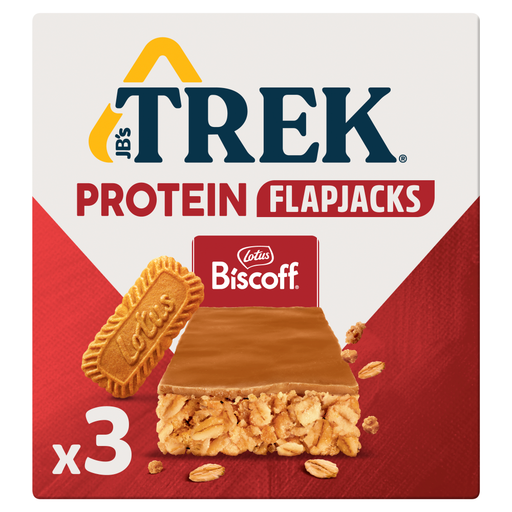
TREK Biscoff Flapjacks, 3 × 50g
This three-pack provides 50g flapjacks for snacks around a training routine. The Biscoff variant contains wheat, so it is not a gluten-free choice; check the full allergen statement, including may-contain wording, before buying.
View on Joybuy
 No image available
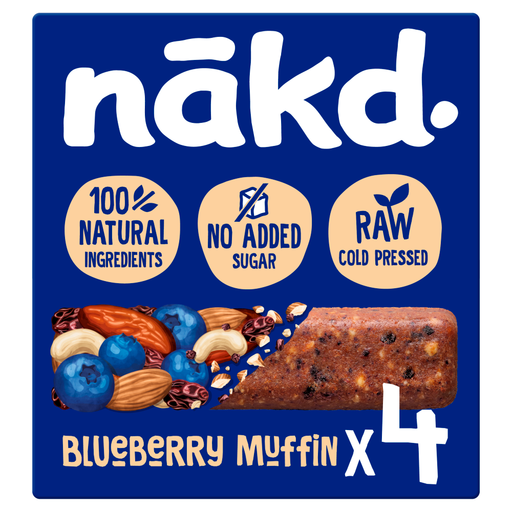
nākd. Blueberry Muffin Raw Fruit & Nut Bars, 4 × 35g
For a fruit-and-nut snack to trial around training, Tesco lists 20g carbohydrate and 3.3g fibre per 35g bar. The bar contains cashews and almonds; check the pack for other relevant allergen statements. Its composition does not establish that it will suit every runner before a run.
View on Joybuy
 No image available
Nature Valley Protein Peanut & Chocolate Cereal Bars, 8 × 40g
For a protein-containing snack after a run or between meals, Nature Valley UK lists around 10g protein and 4g fibre per 40g bar. Consider its carbohydrate alongside the rest of your food. It contains peanuts, so read the complete allergen statement; trial the bar first if you are considering it before running.
View on Joybuy
Questions about training snacks
Can I use an ordinary snack bar during a marathon?
Do not assume that a bar you eat between meals will suit you during a run. Carbohydrate, fibre, fat and texture differ between bars, and the UK Sports Institute advises testing food and pre-run timing individually. If you are considering a particular bar for race day, trial the exact portion and timing on training runs first.
What should I compare when choosing a post-run bar?
Compare carbohydrate and protein per individual bar, then consider what else you will eat and drink after the run. A protein-focused name does not tell you the bar’s full nutrition profile or make one bar a replacement for a meal.
Does a gluten-free label answer every allergen question?
No. Gluten-free does not mean free from nuts, soya or milk. Read the ingredient and allergen statements on the exact flavour and pack, including any may-contain wording relevant to you.
How should I keep a multipack for training days?
Follow the storage directions and best-before information on the pack you buy. For example, the Nature Valley Joybuy listing directs shoppers to keep its bars in a cool, dry place away from direct sunlight; check other products’ instructions individually.


