Hosts planning smaller portions
If guests may pick up several snacks, individually portioned bars make it easier to show the energy in each labelled serving. Compare kcal per bar or serving as well as pack size.


For a party where calories per guest matter, compare the energy in the portion people will actually take, and keep the wrappers available so guests can check ingredients. Among the cited examples, Waitrose & Partners lists Graze Banana Bread Oat Boosts at 115 kcal per 30g bar, while Tesco lists Graze Honey Oat Boosts at 129 kcal per 30g bar and Nakd Berry Delight at 136 kcal per 35g bar. Those portions differ in size and ingredients, so check the purchased packs before choosing for guests with dietary requirements.
If guests may pick up several snacks, individually portioned bars make it easier to show the energy in each labelled serving. Compare kcal per bar or serving as well as pack size.
Keep each product identifiable rather than mixing unwrapped bars. A vegan or gluten-free description addresses a particular requirement; guests still need the current ingredients and allergen information for their own needs.
A protein bar may suit someone choosing on its stated protein content rather than the smallest calorie figure. Compare its full labelled serving with the smaller oat and fruit-and-nut bars before putting them in the same portion category.
Decide what one party portion will be, then check its nutrition information and the ingredients relevant to your guests.
| Priority | What to check | Your needs |
|---|---|---|
| Party portion | Read kcal per labelled bar or serving and note how many bars that serving contains. Use kcal per 100g alongside it when comparing different bar sizes; the NHS explains that labels give nutrition per 100g and sometimes per portion. | I want guests to see what a grab-and-go portion contains, especially if they might take more than one. A two-bar serving needs to be identified as such. |
| Allergens | Check the ingredients, emphasised allergens and any 'may contain' statement on each current pack. Look for a free-from label naming the specific allergen where that is needed. | Some guests need to check particular ingredients, so I would keep the wrappers with the bars instead of putting unidentified products in a shared bowl. |
| Sugars | Compare total sugars per portion as well as energy. Tesco lists Nakd Berry Delight as having no added sugar, yet its nutrition information gives 16.6g sugars per 35g bar. | If I am choosing between fruit-and-nut and oat bars, I want the total sugars figure rather than relying on a front-of-pack phrase. |
| Protein and fibre | Read the amounts for the labelled portion alongside its kcal. Nature Valley UK lists around 10g protein and around 4g fibre for its 40g Protein Chocolate & Coffee bar, which also provides 197 kcal. | For guests who prefer a protein-led bar, I can offer one as a distinct option without assuming it has fewer calories than a smaller bar. |
Nature Valley UK gives 196 kcal for a labelled serving of two Crunchy Oats & Honey bars (42g). The cited Graze Oat Boost figures apply to individual 30g bars.
Display the labelled serving clearly. If you separate a multi-bar serving, use the purchased pack to establish the information for the portion you put out.
Tesco describes Nakd Berry Delight as vegan and gluten-free, but its listing also says it may contain soya, peanuts and other nuts. Those descriptions answer different dietary questions.
Keep products and wrappers together, and check a free-from statement for the specific allergen a guest needs to avoid.
Nature Valley UK lists 197 kcal per 40g Protein Chocolate & Coffee bar; Eat Natural UK lists 220 kcal per 40g Dark Chocolate & Peanut Protein Bar. The cited Graze 30g oat bars provide 115 kcal and 129 kcal respectively.
Offer a protein bar because its stated nutrition and portion suit the occasion, not as a substitute for checking kcal per bar.
The information guests need must correspond to the bars being served, particularly their ingredients, allergen statements and portion size.
Check the purchased wrappers before the party and leave them available beside the bars.
These examples show why the specific recipe and serving matter more than the brand name alone; they do not describe every product in each range.
The cited Oat Boost examples are individually sized 30g bars: Waitrose & Partners lists Banana Bread at 115 kcal, and Tesco lists Honey at 129 kcal.
Tesco lists Berry Delight as a 35g fruit-and-nut bar with 136 kcal and 16.6g sugars per bar.
Its cited Crunchy Oats & Honey and Protein Chocolate & Coffee bars have different formats and serving definitions.
Eat Natural UK lists its Dark Chocolate & Peanut Protein Bar at 220 kcal per 40g bar, with 7.8g protein and 5.6g saturates.
An Amazon UK listing describes a Trek Protein Flapjack variety pack with 50g bars and 9g plant protein per bar.
Alpen's cited UK product page presents its muesli range rather than a snack-bar recipe for this comparison.
These are oat, fruit-and-nut and cereal-bar options for individually portioned party snacks. Check each purchased pack for its calorie serving and for any dietary requirement relevant to your guests.
 No image available
The 35g fruit-and-nut bar format provides a defined party portion. Check its own wrapper for energy, ingredients and nut-allergen information; figures for Nakd Berry Delight do not describe this flavour.
 No image available
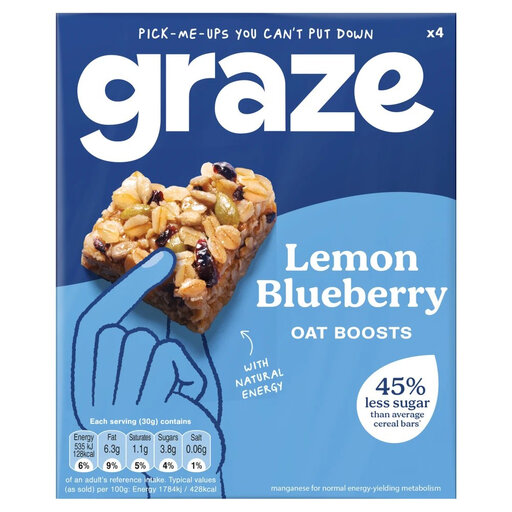
This pack offers 30g oat-bar portions. Read the Lemon Blueberry wrapper for its calorie figure and allergen statements rather than applying figures from other Oat Boost recipes.
 No image available
The stated 21.5g bar size is worth noting when planning what counts as one party portion. Compare the pack's kcal per bar with larger bars, and retain its allergen information for guests.
 No image available
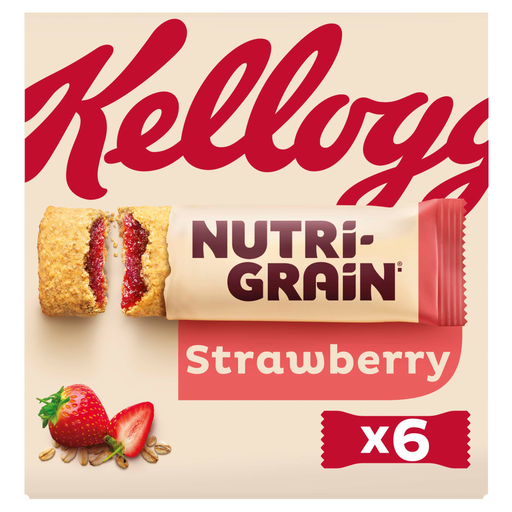
This strawberry cereal-bar pack offers another portion format for the party table. Use its own nutrition label to compare energy per bar, and check the wrapper before serving guests with ingredient restrictions.
 No image available
These are 30g oat-bar portions in the Cherry Bakewell variant. Check this recipe's calorie and allergen information separately from the Banana Bread, Honey and Lemon Blueberry versions.
Compare kcal for the bar or serving a guest will actually take, then use kcal per 100g for a like-for-like comparison of differently sized products. Check whether the labelled serving contains one bar or more: Nature Valley UK, for example, lists its Crunchy Oats & Honey serving as two bars (42g).
No. Tesco lists Nakd Berry Delight as having no added sugar, while its nutrition information gives 136 kcal and 16.6g sugars per 35g bar. Read energy and total sugars separately on the particular pack.
Keep each bar identifiable with its wrapper and avoid mixing unidentified products in a communal bowl. Check the current ingredients and precautionary statements; for a particular allergen requirement, look for a free-from label that names that allergen rather than relying on a vegan or gluten-free description alone.
They can be a separately identified option for guests choosing on protein content, but compare their stated portions before treating them as lower-calorie bars. Nature Valley UK lists around 10g protein and 197 kcal for its 40g Protein Chocolate & Coffee bar; Eat Natural UK lists 7.8g protein and 220 kcal for its 40g Dark Chocolate & Peanut bar.