Buyers planning smaller portions
If bars will replace or sit alongside biscuits, compare the kcal in one bar as well as its weight. Sugar, saturated fat and allergens still matter when choosing what to put in the tin.


For a shared office biscuit tin, compare kcal per bar first, then check sugars, saturated fat and allergens for the portion someone will actually take. A smaller fruit-and-nut or oat bar may suit a lighter snack; a protein bar or flapjack makes more sense when protein matters more than keeping kcal per bar down. Front-of-pack claims cannot replace the nutrition and ingredient lists.
A shared tin has to work for the people choosing from it, not just meet one calorie figure.
If bars will replace or sit alongside biscuits, compare the kcal in one bar as well as its weight. Sugar, saturated fat and allergens still matter when choosing what to put in the tin.
Someone choosing a bar for its protein or fibre may accept a larger portion. Keep those choices distinct from bars selected primarily for fewer kcal per serving.
Colleagues need to identify the ingredients in the exact bar they take. Keep wrappers and outer-pack information accessible, particularly when several flavours share a tin.
Start with the portion someone will take, then compare nutrition and ingredient information for that same bar.
| Priority | What to check | Your needs |
|---|---|---|
| Portion and calories | Read kcal and weight per bar. Use per-100g values when comparing bars of different sizes, then return to kcal per bar for the portion taken from the tin. | I want a smaller snack without mistaking a lighter bar for a like-for-like nutritional match with a larger one. |
| Sugars and saturated fat | Compare both values per bar alongside kcal. Read any traffic-light labelling and check the ingredient list rather than relying on fruit, protein or fibre wording. | A lower-kcal bar might still have a sugars or saturated-fat value I want to compare with other options. |
| Protein and fibre | Check the grams per bar, its weight and its kcal. Nature Valley UK lists about 10 g protein in its 40 g Protein Peanut & Chocolate bar, which has 196 kcal. | If protein matters more to me than the smallest calorie portion, I can compare protein bars separately from lighter snack options. |
| Ingredients and allergens | Check the exact flavour’s ingredients, allergen information and any precautionary wording. Keep the individual wrapper and outer pack available for reference. | Before taking a bar from a shared tin, I need to know which product it is and be able to read its ingredients. |
In its November 2025 audit of 458 snack bars at 10 major UK retailers, Action on Salt and Sugar reported that 37% of the products were high in sugars and 55% high in saturated fat under UK front-of-pack thresholds. Those figures describe the audited products, not office buyers’ preferences.
Use a protein or fibre claim to identify an attribute you want, then compare kcal, sugars and saturated fat on the nutrition panel.
Eat Natural lists 86 kcal for its 25 g Apple Soft Fruit Bar, while TREK lists 227 kcal for its 50 g Cocoa Oat Protein Flapjack. They are different-sized portions serving different snack preferences.
Use kcal per bar to judge the portion taken from the tin and per-100g figures for a size-adjusted comparison.
Once bars are separated from their packaging, colleagues may struggle to identify the exact flavour or check its ingredients and allergen wording.
Leave bars wrapped, retain the outer pack while the tin is in use and follow any workplace allergy controls when choosing what to include.
Alpen Muesli identifies several former Alpen bar flavours as no longer made. An older list may therefore describe a product that cannot be reordered.
Confirm the exact flavour and pack on a current UK product listing before adding it to a repeat order.
These examples illustrate different bar formats; a brand name alone does not establish the nutrition or allergens of every flavour.
Graze has oat-based snacks relevant to a smaller-portion comparison.
Its Apple Soft Fruit Bar is a small, individually wrapped fruit-bar example.
Its range includes protein bars as well as other snack-bar formats.
The brand offers fruit-and-nut bars and states that its bars contain no added sugar.
TREK’s protein flapjacks offer a larger-portion route for colleagues prioritising protein.
Alpen is a cereal brand whose older bar listings need checking before they inform an office order.
These Joybuy options include oat squares, fruit-and-nut bars and protein bars for different approaches to stocking an office biscuit tin. Compare the label of the exact pack before choosing for a shared setting.
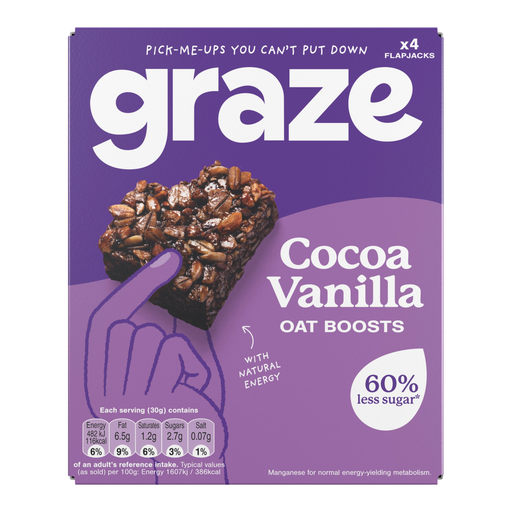 No image available
Oat squares to consider when the size of each office snack matters. The pack contains four 30 g portions; compare the exact bar’s nutrition and ingredients before adding it to a shared tin.
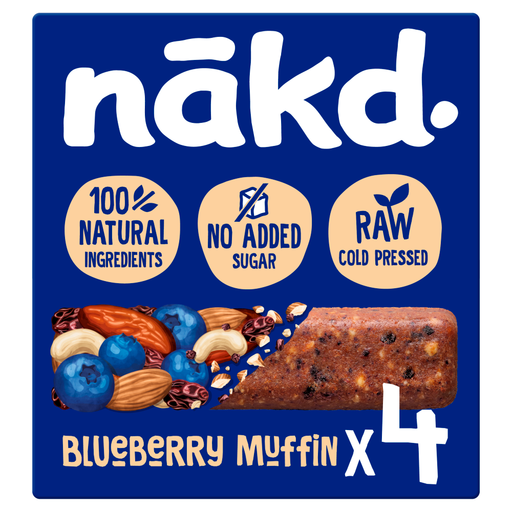 No image available
A fruit-and-nut option in a pack of four 35 g bars. Compare kcal and total sugars per bar, and check the exact ingredients and allergens before offering it to colleagues.
 No image available
A four-pack of 35 g bars for shoppers considering a peanut variety. Check the pack’s allergen information and per-bar nutrition before placing it in a communal tin.
 No image available
A protein-bar option in a pack of four 40 g bars. If the office wants a protein-focused choice, compare its per-bar kcal with smaller portions and check the exact pack’s allergen information.
 No image available
A 12-pack of 50 g protein bars for a tin that includes larger snack portions. Compare kcal, sugars and ingredients on the exact pack rather than treating the protein-bar name as a low-calorie claim.
No. Kcal per bar tells you about the portion someone takes, but sugars, saturated fat and allergens can change which bar suits a shared tin. Eat Natural lists 86 kcal for its Apple Soft Fruit Bar, while Tesco lists 116 kcal for a Graze Cocoa Vanilla Oat Boost; check the remaining label information for each product rather than deciding on those figures alone.
It can be a separate option for colleagues prioritising protein, but it should not be treated as the smaller-portion choice on that basis alone. Nature Valley UK lists 196 kcal and about 10 g protein per 40 g Protein Peanut & Chocolate bar; TREK lists 227 kcal and 9 g protein per 50 g Cocoa Oat Protein Flapjack.
Keep them wrapped so colleagues can identify the exact bar and check its ingredients and allergen information. Retain the outer pack as well if it carries information needed to identify the product.
No. nākd. says its fruit-and-nut bars have no added sugar, but sugars naturally present in fruit still appear in the total sugars figure. Read the nutrition panel for the exact flavour and compare it on the portion you intend to offer.