Parents packing school snacks
Check the labelled portion if you want a small, individually wrapped bar. Read its sugars and ingredients as well as its calories, and check the school’s packed-lunch rules before putting it in a bag.


For a school packed lunch, compare calories for the portion that will actually be eaten, then check sugars, allergens and the school’s food rules. Ocado lists Eat Natural Apple and Red Berries Soft Fruit Bars at 86 and 87 kcal per bar respectively, but a smaller calorie figure alone does not establish whether a bar suits a particular child or school.
Check the labelled portion if you want a small, individually wrapped bar. Read its sugars and ingredients as well as its calories, and check the school’s packed-lunch rules before putting it in a bag.
A larger oat or protein bar may suit a different appetite from a small fruit bar. Compare the whole portion you expect to eat rather than treating every bar as the same size.
Use the current pack’s ingredient and allergen information for the exact variety. The school’s allergy arrangements matter too, particularly for bars containing nuts or carrying may-contain warnings.
Start with the eating unit—a single bar, a two-bar pack or another labelled serving—before comparing the rest of the nutrition panel. A portion-based calorie screen is not a judgement about whether a snack meets a child’s individual needs.
| Priority | What to check | Your needs |
|---|---|---|
| Portion size | Compare kcal per bar or labelled serving, then check how many bars are in the portion. Ocado lists Eat Natural Apple at 86 kcal per bar and Red Berries at 87 kcal per bar; Nature Valley UK labels its Crunchy Oats & Honey serving as two bars (42 g). | I’m packing one snack, so I want to know what the whole portion I put in the bag contains. |
| Sugars | Read sugars for the same portion used in the calorie comparison. Check the nutrition panel even when the front of the pack emphasises fruit or says no added sugar. | A smaller bar could still have a sugar amount I want to compare with other options. |
| Ingredients and allergens | Read the exact variety’s current ingredients, emphasised allergens and may-contain statements. Check the school’s allergy and packed-lunch policy separately. | The snack needs to fit the eater’s requirements and the rules at their school; a vegan or fruit-based description is not enough to decide that. |
| Protein and fibre | Compare the amounts per labelled serving alongside its size and calories. Ocado describes TREK Choc Caramel as providing 12 g of plant protein per bar; that figure does not describe every protein bar. | For a more substantial snack, I may consider a larger bar rather than choosing solely by the smallest calorie number. |
That figure describes a portion, not its sugars, ingredients or suitability for school. Bars of different sizes can also give very different impressions when compared only by the number on the front.
Find the portion size on the nutrition panel and read the other values for that same portion before making a choice.
Nature Valley UK labels Crunchy Oats & Honey as a two-bar serving (42 g), while Ocado’s calorie figures for Eat Natural Apple and Red Berries refer to individual bars. Those are different eating units.
Decide how much will actually go into the lunchbox, then compare the nutrition information for those portions.
A product’s flavour or dietary description cannot replace its allergen statement. The researched Eat Natural soft fruit bars list almonds, while the referenced TREK and nākd. protein bars list peanuts.
Check the current pack for the exact variety and consult the school’s published allergy and packed-lunch rules before sending it.
A protein-focused bar and a small fruit bar serve different portion preferences. Choosing by the word “protein” alone can overlook the size of the snack and its allergens.
Decide what role the bar has in the packed lunch, then compare its labelled serving and ingredients with smaller options.
These examples help distinguish bar formats; a brand name alone does not establish the nutrition or allergens of every variety.
Ocado lists the Apple and Red Berries Soft Fruit Bars at 86 and 87 kcal per bar respectively.
Ocado describes its Choc Caramel protein bar as providing 12 g of plant protein per bar.
Ocado describes the Protein Peanut Butter bar as having no added sugar.
Nature Valley UK labels its Crunchy Oats & Honey serving as two bars (42 g).
Alpen says some of its products are no longer made, so the exact bar range matters when considering this brand.
These options include small soft and cereal bars, plus larger oat and peanut varieties for a different portion preference. Check the nutrition and allergen information for the exact product before choosing one for school.
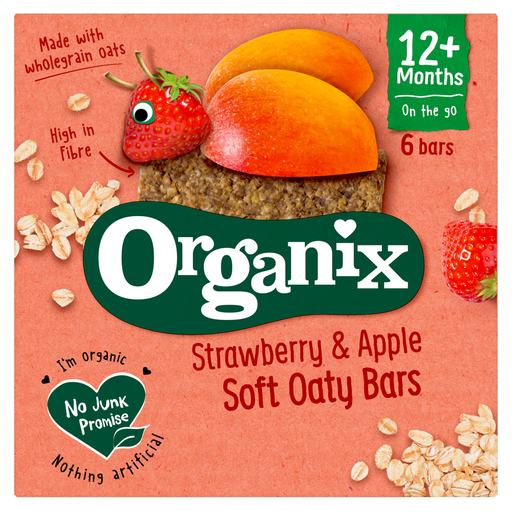 Image unavailable
A soft oaty format labelled for ages 12+ months, in a pack of six 23g bars. Check the current pack’s portion information and allergen warnings before packing one for school.
 Image unavailable
A cereal-snack option in six 21.5g portions. Compare the nutrition panel for one portion with any other bar you are considering, and check its allergen information.
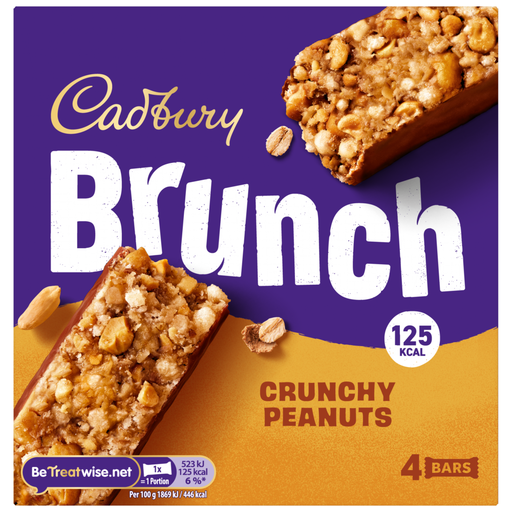 Image unavailable
A four-pack of peanut cereal bars weighing 112g in total. Check the per-bar nutrition information and the pack’s allergen statement, particularly where the school restricts nuts.
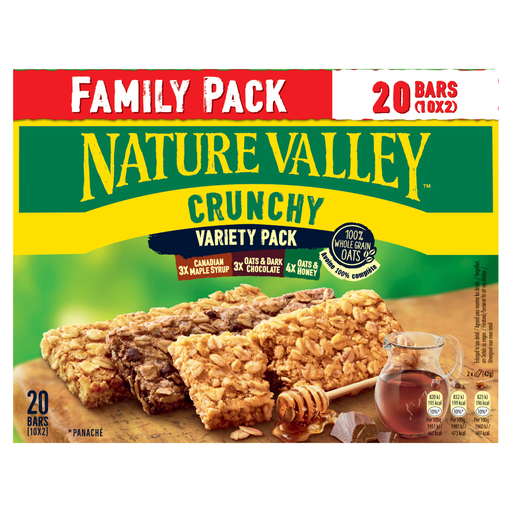 Image unavailable
A crunchy variety pack of ten 42g portions. Check the nutrition information for the particular variety and the amount that will actually be eaten; allergen information may also differ by variety.
 Image unavailable
A peanut-and-chocolate protein-bar option in four 40g portions. Compare its per-bar nutrition with smaller snack bars, and check the current allergen statement and school rules.
Use the nutrition panel to compare the portion that will actually be eaten. A pack may contain more than one bar: Nature Valley UK, for example, labels Crunchy Oats & Honey as a two-bar serving (42 g), whereas Ocado’s Eat Natural Apple figure is for one bar. Read the ingredients and allergen information too.
Check that school’s published allergy and packed-lunch rules before sending one. The referenced Eat Natural soft fruit bars list almonds, and the TREK and nākd. protein varieties list peanuts; their suitability cannot be decided from the product category alone.
No. “No added sugar” describes something different from the calories in a serving. Ocado uses that wording for the nākd. Protein Peanut Butter bar; compare its labelled calories, sugars and portion size with those of the other bars you are considering.
Follow the storage instructions on the exact pack. The referenced Eat Natural and TREK products call for a cool, dry place; check a different variety’s label rather than assuming its instructions are identical.