A snack bar can bridge a gap between meals, but it should not be the default substitute for a student dinner: the NHS Eatwell Guide considers the balance of food groups across a day or week. If you want to keep fat down, compare total fat and saturates per 100g, then check the portion size and allergens; protein, oat and reduced-sugar descriptions do not tell you whether a bar is low in fat.
Who is this for?
A bar makes more sense as a portable snack than as a routine dinner; the right checks depend on why you are picking one up.
Students needing a snack between meals
A bar can be convenient for a lecture, journey or late study session. For dinner, consider how the rest of your food across the day fits together: the NHS Eatwell Guide describes balance across a day or week, not in a single snack.
Shoppers comparing fat and saturates
Use the nutrition panel per 100g to compare different bar sizes. Check total fat and saturates separately rather than treating a protein, oat or sugar claim as an answer to either question.
Shoppers with dietary exclusions
Check the exact variant’s ingredients and may-contain statement. Bars in the researched ranges include different combinations of nuts, peanuts, soya and milk, regardless of other dietary descriptions on the pack.
What should you check?
Compare bars on the same per-100g basis first, then use the per-bar figures to judge the portion you would actually eat.
| Priority |
What to check |
Your needs |
| Total fat and saturates |
Compare both figures per 100g, then check the per-bar amounts. The NHS describes 3g fat or less per 100g as low and more than 17.5g per 100g as high for foods. |
I want to compare fat fairly across different-sized bars, without mistaking a protein or reduced-sugar claim for a low-fat description. |
| Portion and meal role |
Check the weight of one bar and its per-bar nutrition. Consider what else you will eat: the NHS Eatwell Guide describes food-group balance over a day or week. |
For a gap between classes, a small bar may be enough as a snack. If this is meant to be dinner, I need to think beyond the bar itself. |
| Protein and fibre |
Read protein and fibre per bar alongside fat, saturates, sugars and bar weight. A protein-focused name does not establish the bar’s fat content. |
When I want a more substantial between-meal snack, I can check what the whole portion provides instead of choosing by its name alone. |
| Pack format |
Check the number of bars and the weight of each. A multipack count alone does not tell you the size of a portion. |
I want to know how many snacks the pack contains and whether each bar suits the gaps between my meals. |
| Ingredients and allergens |
Read the current ingredients, allergen declaration and may-contain statement for the exact variant. Check dietary descriptions against your own requirements. |
If I avoid particular ingredients, a vegan or gluten-free description cannot replace a check of the full label. |
Common buying mistakes
-
Assuming less sugar means less fat
Sugar and fat are different entries on the nutrition panel. For example, Tesco Groceries lists 6.3g fat per 30g bar for Graze Lemon Blueberry Oat Boost, despite its reduced-sugar comparison.
Read total fat and saturates per 100g before deciding whether a bar fits your fat-related priority.
-
Making a snack bar the default dinner
A small bar does not, by itself, provide the variety of food groups described by the NHS Eatwell Guide. Eat Natural’s Apple Soft Fruit Bar, for instance, is a 25g serving.
Use a bar to bridge a gap if needed, and consider your other food across the day rather than judging dinner by the bar alone.
-
Assuming a dietary description covers every allergen
Ingredients differ even between bars described as suitable for particular diets. Nakd’s Cocoa Hazelnut Protein Bar lists peanuts and hazelnuts, while Nature Valley’s Peanut & Chocolate Protein Bar lists peanuts, soya and milk.
Check the ingredients and may-contain statement on the exact pack before eating it.
Brand references
These examples show why a brand or bar format is not enough to establish its fat content; compare the nutrition panel of the specific product.
Eat Natural
Its Apple Soft Fruit Bar and Dark Chocolate & Peanut Protein Bar have notably different nutrition panels.
- Eat Natural lists 4.9g fat per 100g and 1.2g per 25g serving for the Apple Soft Fruit Bar.
- That 25g bar also lists 13.8g sugars per serving. The brand’s Dark Chocolate & Peanut Protein Bar lists 36.3g fat per 100g; check allergens for either variant.
Trek
The Original Oat Protein Flapjack is a 50g oat-based snack.
- Myprotein UK lists 10.2g protein per 50g bar.
- The same listing gives 19.6g fat per 100g and a may-contain statement covering sesame, peanuts, other nuts and milk.
Graze
Its Oat Boost flapjacks illustrate why a sugar comparison should not stand in for a fat comparison.
- Graze makes a reduced-sugar comparison for its Oat Boost range; that is a brand claim about sugar, not a fat claim for every variant.
- Tesco Groceries lists 6.3g fat per 30g serving for Graze Lemon Blueberry Oat Boost.
Nakd
The range includes fruit-and-nut bars and a Cocoa Hazelnut Protein Bar.
- Nakd describes its fruit-and-nut bars as having no added sugar; check the declaration for the exact variant you choose.
- Joybuy lists 22g fat per 100g for the Cocoa Hazelnut Protein Bar. Its ingredients include peanuts and hazelnuts, so a no-added-sugar description is not a substitute for fat or allergen checks.
Nature Valley
Its UK range includes oat, nut and protein-bar formats.
- Nature Valley lists 10.2g protein and 4.4g fibre per 40g Peanut & Chocolate Protein Bar.
- The same bar lists 28.3g fat per 100g and contains peanuts, soya and milk. Check the current pack, as formulations can change.
Alpen
Alpen’s official UK products page presents its Original and No Added Sugar mueslis.
- If you are considering an Alpen snack bar, check the exact bar’s current pack and nutrition panel rather than applying information from the muesli range.
Snack bars on Joybuy
These cereal, fruit-and-nut and protein bars offer different pack formats for between-meal snacking. Check each exact variant’s nutrition panel before choosing for a lower-fat priority; none should be treated as a dinner replacement on its own.
 No image available
Special K Dark Chocolate Snack Bars, 6 x 21.5g
For a cereal-bar snack between meals, compare this variant’s total fat and saturates per 100g with other bars. It contains wheat, barley, oats, milk and soya; check the current pack for the full allergen statement.
View on Joybuy
 No image available
Grenade Soft Core Double Chocolate Protein Bars, 12 x 50g
If you are considering a protein bar as a between-meal snack, check its fat and saturates alongside protein on the current label. This Double Chocolate variant contains milk and soya.
View on Joybuy
 No image available
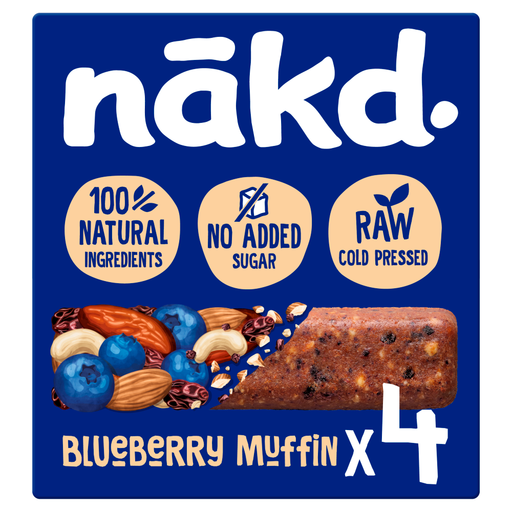
Nakd Blueberry Muffin Raw Fruit & Nut Bars, 4 x 35g
For a fruit-and-nut snack, compare the fat declaration rather than relying on the style of bar. This variant contains cashews and almonds and may contain other nuts, peanuts and soya; read the current pack if those ingredients matter to you.
View on Joybuy
 No image available
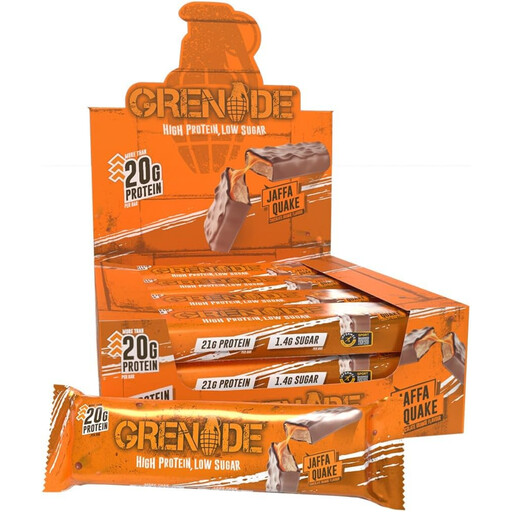
Grenade Jaffa Quake Protein Bars, 12 x 60g
For this protein-bar format, compare total fat and saturates per 100g before considering the per-bar portion. The Jaffa Quake variant contains milk and soya; check the full allergen declaration.
View on Joybuy
 No image available
Cadbury Brunch Light Orange Cereal Bars, 4pk 104g
Despite the Light range name, use the nutrition panel to decide how this cereal bar fits a fat-focused comparison. It contains oats, wheat, milk, barley and soya, and may contain peanuts and nuts.
View on Joybuy
Frequently asked questions
Is a reduced-sugar or protein bar also low in fat?
Not necessarily: those descriptions refer to different characteristics. Compare total fat and saturates per 100g, then check the per-bar figures. The NHS describes 3g fat or less per 100g as low and more than 17.5g per 100g as high for foods.
Can a snack bar stand in for a student dinner?
Use it as a stopgap rather than a routine dinner replacement. The NHS Eatwell Guide considers the balance of food groups across a day or week, so think about the rest of your food as well as the bar.
How do I compare bars of different sizes?
Start with the per-100g nutrition declarations so both bars are on the same basis. Then read the per-bar values and weight to see what one portion provides.
Which allergens should I check?
Read the ingredients and may-contain statement on the exact current pack. The bars discussed here include different combinations of almonds, cashews, hazelnuts, peanuts, soya and milk; a dietary description does not replace that check.


