
24/7 Customer Support

Free returns

Same-day & Next-day Delivery

Quality Guaranteed

Unlock Your Welcome Offers: FREE Delivery | Up to 80% OFF | Free 30-day JoyPlus trial
Download the APP
Snack bars can make busy mornings, lunchboxes and travel days easier, but the packaging does not always tell the full story. A bar described as “wholesome”, “high-protein” or “made with fruit” may still contain considerable sugar, syrup or saturated fat. The right choice depends on how you plan to use it, your dietary requirements and whether you want a convenient treat or a more substantial source of fibre and protein.
Terms such as “natural”, “plant-based” and “wholegrain” describe particular features, not the overall nutritional profile. For example, a fruit and nut bar may contain no added sugar but still have a relatively high total sugar content because dates and dried fruit are concentrated ingredients.
Compare the per-bar nutrition panel, rather than relying only on front-of-pack claims. A 30g bar and a 50g bar cannot be compared fairly without checking the serving size.
Protein bars can be useful for gym bags or a filling afternoon snack, but “high protein” does not automatically mean low sugar or low in calories. Some products also contain milk, soya, peanuts or nuts. If you follow a vegan diet, check for dairy ingredients such as whey or milk powder, even where the bar’s packaging appears focused on plant-based ingredients.
UK food labels must highlight specified allergens, but shoppers should still read the full label every time, particularly when buying multipack snack bars for families. Oats are not always suitable for people avoiding gluten, and products made in facilities handling nuts may carry precautionary allergen information.
For younger children, consider texture and size. Some chewy, sticky or nut-containing products may present a choking risk. Follow the manufacturer’s age guidance and supervise children while eating.
Snack bars in this selection range from around 21.5g to 50g per bar. Smaller cereal bars can suit a light snack or lunchbox, while larger oat bars may work better as a more substantial breakfast-on-the-go option.
Check energy per serving alongside sugars and fat. For context, listed products include:
These figures are not a quality ranking; they simply show why portion size matters.
For a more filling option, look for meaningful amounts of fibre or protein per bar, not just an attractive front-label statement. The Nature Valley Protein Salted Caramel Nut bar lists 10.4g protein and 5.5g fibre per 40g serving. TREK Biscoff Protein Flapjack lists 9.8g plant-based protein per 50g bar, according to the supplied product information.
Oat bars and cereal bars can provide different nutritional profiles. Oats may contribute fibre, while protein bars commonly use soya, milk or whey ingredients. Fruit-based products can offer fibre but may contain more naturally occurring sugars.
Use the following checks when comparing healthy snack bars, vegan snack bars or gluten-free snack bars:

Why This Fits Their Persona: Six individually sized bars provide a practical multipack for desk drawers, commuting or occasional lunchbox use.
The 21.5g serving size makes portion comparison straightforward, rather than leaving shoppers to estimate the amount in a large bar.
Lists wholegrain cereals, cranberry pieces and approximately 83 kcal per bar, with B vitamins included in the nutrition information.
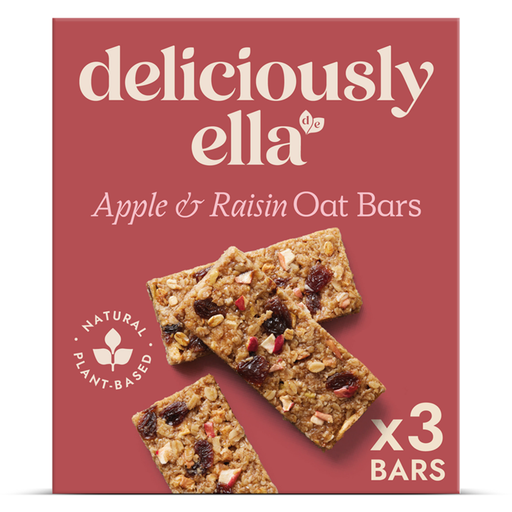
Why This Fits Their Persona: A soft baked texture and apple, raisin and cinnamon flavour suit shoppers wanting a more substantial plant-based oat bar with tea or breakfast.
The product information identifies gluten-free oats and clearly lists possible milk, nut and soya traces for checking before purchase.
Each 50g bar provides listed values of 213 kcal, 2.5g fibre and 2.8g protein; the product is described as vegan-friendly.

Why This Fits Their Persona: The protein and fibre figures make this a substantial option for gym bags, active commutes or a post-workout snack.
The label gives per-40g values, helping shoppers see that the protein claim comes with 202 kcal and 5.8g sugars per bar.
Lists 10.4g protein and 5.5g fibre per bar; suitable for vegetarians and described as gluten-free in the product information.
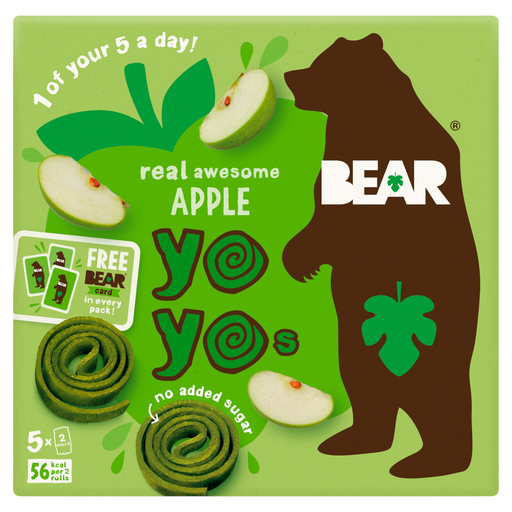
Why This Fits Their Persona: Individually wrapped fruit pieces are convenient for school bags, car journeys and family days out.
The ingredients are listed as apples and pears, while the nutrition panel shows 42g sugars per 100g, keeping the naturally sweet profile visible.
Contains no cereals with gluten or nuts according to the supplied information; recommended for children aged 3–9 with supervision.
We have compiled a complete, real-time list of products that fully satisfy these strict selection criteria and UK safety regulations.
They can be convenient, but suitability depends on portion size and composition. A larger oat or protein bar may be more substantial than a small cereal bar. Check protein, fibre, sugars and energy per serving, and consider adding fruit, yoghurt or another food if the bar is not filling enough.
Most listed products should be kept in a cool, dry place, away from direct sunlight or heat. Reseal larger bags after opening and follow the best-before date on the packaging. Texture may change over time, particularly in bars containing syrups or dried fruit.
Compare the price per bar, not only the pack price. Multipack snack bars can reduce the cost per serving and simplify weekly shopping, but a larger pack is only economical if the flavour and dietary suitability work for your household. Check pack sizes carefully, as four 30g bars and four 50g bars offer different quantities.