Shoppers prioritising lower fat
If total fat is the deciding factor, use the per-100g nutrition figure. Protein, fibre and ingredient descriptions answer different questions.


If low total fat is your priority, check the per-100g figure rather than assuming that protein, fibre or no-added-sugar wording means a bar is low in fat. Business Companion’s September 2026 UK guidance sets a maximum of 3g fat per 100g for a solid food labelled low fat. Compare energy and fat per bar as well, because the portion you eat matters alongside the per-100g figures.
If total fat is the deciding factor, use the per-100g nutrition figure. Protein, fibre and ingredient descriptions answer different questions.
If you usually eat a whole bar, compare its stated energy and nutrients with its weight. A per-100g comparison alone does not show what that portion contains.
If ingredients or allergens limit your choices, check the exact bar’s current pack. The brand examples include bars containing nuts or other declared allergens.
Start with total fat per 100g if low fat is your firm criterion, then use the bar’s portion information to judge the snack you would eat.
| Priority | What to check | Your needs |
|---|---|---|
| Total fat | Read total fat per 100g, then per bar. Business Companion’s September 2026 UK guidance permits a low-fat claim for a solid food only at no more than 3g fat per 100g; other nutrient claims do not establish this. | I want to distinguish a bar labelled low fat from one promoted for protein, fibre or its ingredients. |
| Portion and energy | Compare energy per 100g and for the bar or portion you intend to eat. The NHS explains that nutrition information is given per 100g and sometimes per portion. | If I eat the whole bar, I want its portion figures alongside a like-for-like comparison with other bars. |
| Other nutrients and ingredients | Check sugars, fibre and protein on a consistent portion basis. Read the ingredients and allergen statements for the exact product. | Protein or fibre might matter to me, but I still need to compare fat and check whether the ingredients meet my dietary requirements. |
These descriptions refer to different properties. For example, Tesco lists Graze Cherry Bakewell Oat Boost at 22g fat per 100g, despite its place in a range Graze promotes for its sugar content.
Check total fat per 100g first if low fat is your criterion; compare the other nutrients separately.
Per-100g figures help with like-for-like comparisons, but they do not describe the portion you eat. Tesco lists 131 kcal and 6.7g fat for one 30g Graze Cherry Bakewell Oat Boost bar.
Use both the per-100g column and the figures for your intended portion.
nākd. says all its bars contain nuts and may contain traces of other nuts or peanuts. Ingredient descriptions are not a substitute for an allergen declaration.
Read the current pack’s ingredients and precautionary allergen statement for the exact variant.
Alpen’s FAQ names Alpen Light Bars Chocolate & Orange among products it no longer makes. An older listing may not describe a current product.
Confirm the exact variant and read its current nutrition panel before comparing it with other bars.
Compare the exact bar rather than applying one product’s nutrition figures to an entire brand range.
Graze’s Oat Boost range includes individually portioned flapjacks.
Nature Valley offers crunchy, oat and protein bar formats.
Eat Natural’s range includes nut-based protein bars.
nākd. describes its fruit-and-nut bars as having no added sugar and being suitable for vegetarians and vegans.
Trek Protein Flapjack is an oat-based protein-bar example.
Older Alpen Light bar names can appear in snack-bar comparisons.
These Joybuy options cover portioned cereal, oat and protein bars. Compare each exact variant’s current nutrition panel; being listed here does not mean it qualifies for a low-fat claim.
 No image available
The 21.5g bar size gives you a defined portion to compare. Check total fat per 100g and energy per bar on the current pack before treating it as a lower-fat choice.
 No image available
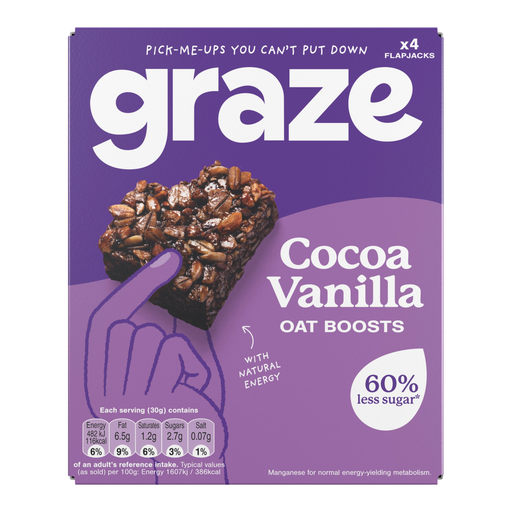
For an oat-based snack in 30g squares, compare the current per-square energy figure with total fat per 100g. Protein or sugar messaging should not replace that fat check.
 No image available
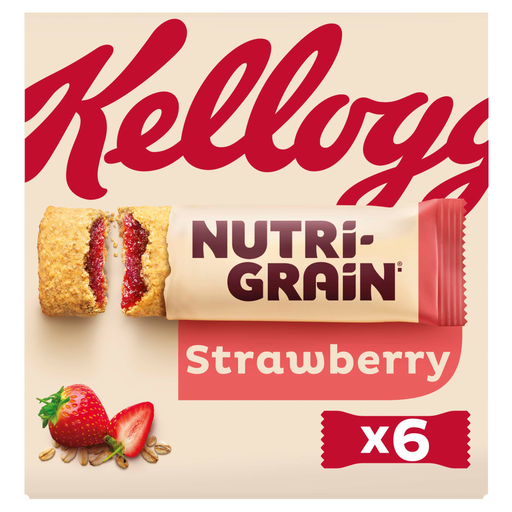
If you are comparing cereal bars, check the serving information for this six-pack alongside fat per 100g. Read the current ingredients and allergen statement if dietary restrictions affect your choice.
 No image available
If you are considering a protein bar, assess its 50g serving as well as fat per 100g. Protein in the product name does not establish a low-fat claim.
 No image available
This Golden Caramel variant also comes as 50g bars. Compare its own nutrition and allergen information rather than applying figures from the Double Chocolate variant.
Business Companion’s September 2026 UK guidance says a solid food can make a low-fat claim only if it contains no more than 3g fat per 100g. Check the per-100g total-fat figure, not just the amount in one bar.
No. Sugar and total fat are separate figures. Graze promotes its Oat Boost range for its sugar content, while Tesco lists 22g fat per 100g for the Cherry Bakewell Oat Boost variant; check the exact bar you intend to buy.
Use both: per 100g allows a like-for-like comparison, while per-bar figures describe a stated portion. The NHS explains that nutrition information is given per 100g and sometimes per portion, so check how much you expect to eat.
Its protein content cannot answer that question; check total fat per 100g. Nature Valley lists around 10g protein and 196 kcal for its 40g Peanut & Chocolate Protein Bar, illustrating why the rest of the nutrition panel still matters.
Read the current pack’s ingredients and allergen statements for the exact bar. nākd. states that all its bars contain nuts and may contain traces of other nuts or peanuts, so a general fruit-and-nut description is not enough to assess suitability.