Runners eating before a 5k
If you need a snack around 60–90 minutes before running, the timing and its carbohydrate and fat content matter more than whether the pack describes nuts as unsalted.


Choose a carbohydrate-led snack rather than nuts alone if you need food shortly before a 5k: University College London Hospitals NHS Foundation Trust advises carbohydrate, protein and minimal fat for a snack 60–90 minutes before exercise. Unsalted nuts can be a separate snack, but unsalted does not mean reduced-fat; the Tesco and KP products listed by UK retailers still contain 13.8–15 g fat per 25–30 g serving.
If you need a snack around 60–90 minutes before running, the timing and its carbohydrate and fat content matter more than whether the pack describes nuts as unsalted.
If you want a portion of nuts away from the start line, compare salted and unsalted products separately from their fat content. A smaller pack defines a portion; it does not change the food’s nutrition per 100 g.
If you want carbohydrate and protein after running, nuts can contribute protein but need a carbohydrate food alongside them to make that combination. The UK Sports Institute gives carbohydrate plus protein guidance for recovery after intense or prolonged exercise.
Start with when you plan to eat, then compare the serving and per 100 g nutrition figures for the specific products you are considering.
| Priority | What to check | Your needs |
|---|---|---|
| Pre-run timing | For a snack 60–90 minutes before exercise, University College London Hospitals NHS Foundation Trust advises carbohydrate, protein and minimal fat. The UK Sports Institute gives porridge and a banana as pre-run examples. | If I need food shortly before my 5k, I want a familiar carbohydrate-led option rather than relying on nuts alone. |
| Fat and carbohydrate | Compare fat per serving and per 100 g, then check carbohydrate per serving. Tesco lists 13.8 g fat and 2.2 g carbohydrate per 25 g portion of its Unsalted Mixed Nuts; Sainsbury’s lists 15 g fat and 1.7 g carbohydrate per 30 g of KP Unsalted Roasted Peanuts. | “Unsalted” tells me about salt, not whether the nuts are reduced-fat or carbohydrate-led. |
| Salt | Read the salt figure for the stated portion. Tesco lists less than 0.01 g per 25 g of its unsalted mixed nuts, while its KP salted peanut snack-pack listing gives 0.36 g per 30 g pack. | When lower salt is my priority, I want to compare the actual products and serving sizes, not just their pack formats. |
| Portion format | Check the weight of a single pack against the serving size used in its nutrition panel. Tesco lists KP salted peanuts as separate 30 g snack packs. | A defined portion helps me choose how much to take, but it does not make salted peanuts reduced-fat. |
| Ingredients and allergens | Read the ingredient list and allergen information on the exact pack before eating. Check peanut and tree-nut information separately where relevant. | I need the pack to match my own ingredient and allergy requirements, even if I have bought the brand before. |
| After the run | For recovery after intense or prolonged exercise, the UK Sports Institute advises a snack containing carbohydrate and protein, with fluids. Check what each part of a planned snack contributes. | If I choose nuts afterwards, I want a carbohydrate food alongside them rather than treating a nut portion as the whole snack. |
Tesco lists 55.0 g fat per 100 g for its Unsalted Mixed Nuts. Its 25 g portion contains 13.8 g fat.
Compare fat figures on the nutrition panels of like-for-like products. Check a specific pack’s claim rather than using its salt description as a substitute.
The listed Tesco mixed nuts provide 2.2 g carbohydrate per 25 g portion, while University College London Hospitals NHS Foundation Trust advises carbohydrate and minimal fat in a snack 60–90 minutes before exercise.
If you need food in that window, consider a familiar carbohydrate-led snack. Have nuts at another time, or pair them with a carbohydrate food when that fits your plan.
Tesco lists 0.36 g salt in a 30 g KP salted peanut pack and less than 0.01 g in a 25 g portion of its own-label unsalted mixed nuts. The portion sizes differ, so check both the serving and per 100 g figures when comparing packs.
Read the salt line and ingredient list on the products you are choosing between.
A saved listing is not the pack you will eat. Its serving size, ingredients and allergen information need to match the product in hand.
Check the physical pack’s ingredient list, allergen information and nutrition panel before use.
These references help distinguish the listed nut formats; they are not a list of reduced-fat products.
KP has salted snack packs and unsalted roasted peanuts in the cited UK retailer listings.
Tesco’s own-label Unsalted Mixed Nuts provide a labelled example for comparing serving and per 100 g figures.
M&S Food lists roasted nuts in single-portion packets and larger formats.
These options include chestnut snacks and a peanut bar to consider when comparing food before a 5k, plus unsalted peanuts for a separate nut snack. Check each pack’s ingredients, nutrition and serving size against when you intend to eat it.
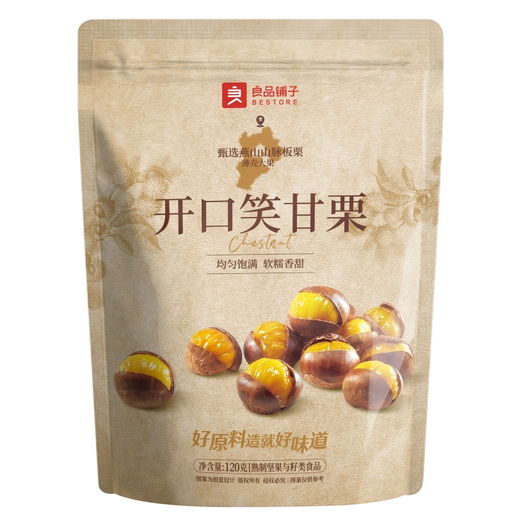 No image available
A chestnut option for comparing with a nut-only snack before a 5k. Check the pack’s carbohydrate and fat figures and its serving size before deciding how it fits your pre-run timing.
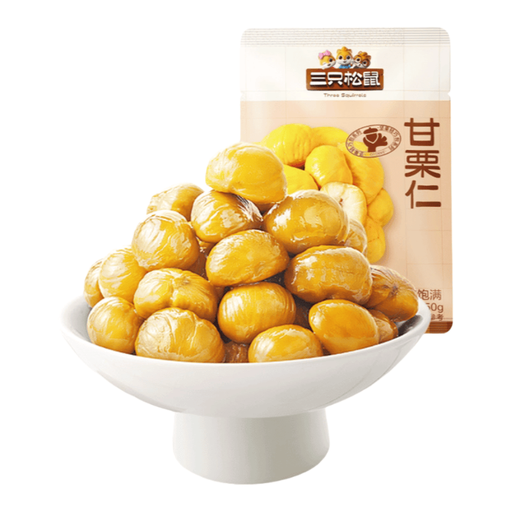 No image available
The 50 g pack is a smaller-format chestnut option. Compare its labelled serving and nutrition figures with your usual pre-run snack; if you are planning food after running, check what else will provide protein.
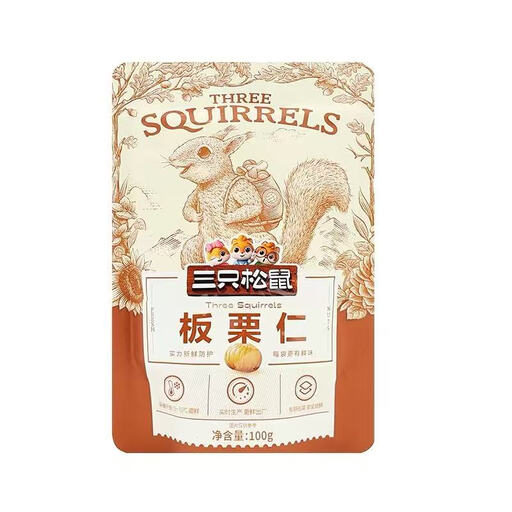 No image available
This 100 g chestnut pack is another format to compare with the 50 g option. Use the pack’s serving size and carbohydrate and fat figures when deciding whether, and how much, to eat before running.
 No image available
These individually sized peanut bars offer a pack format for comparing with plain nuts. Because the bar contains peanuts, check its fat, carbohydrate, ingredients and allergen information on the exact pack before choosing it for a pre-run snack.
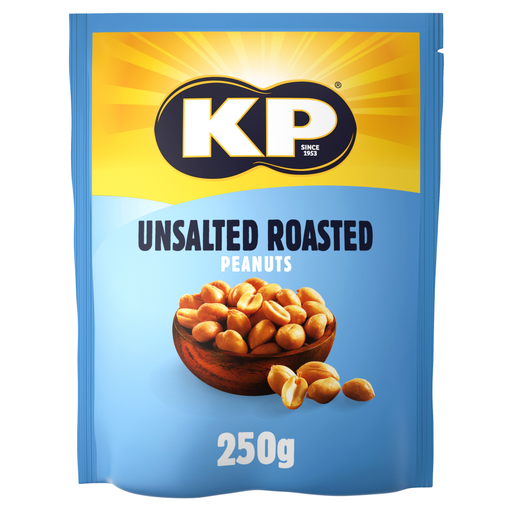 No image available
Choose these as an unsalted nut option away from the immediate pre-run window, rather than assuming they are reduced-fat. Sainsbury’s listing for KP Unsalted Roasted Peanuts 250 g gives 15 g fat and 1.7 g carbohydrate per 30 g serving; check the pack before portioning from the 250 g bag.
A reduced-fat label is not the main test of a pre-run snack. If you need food 60–90 minutes before exercise, University College London Hospitals NHS Foundation Trust advises carbohydrate, protein and minimal fat; compare the nutrition of any particular nut product with that guidance rather than assuming unsalted nuts meet it.
Consider a familiar snack containing carbohydrate, protein and minimal fat, in line with University College London Hospitals NHS Foundation Trust guidance for that window. The UK Sports Institute gives porridge about an hour before running and a banana as pre-run examples; try your choice during ordinary training to see how its timing works for you.
No: “unsalted” describes salt, not fat. Tesco lists 13.8 g fat per 25 g portion of its Unsalted Mixed Nuts, while Sainsbury’s lists 15 g fat per 30 g of KP Unsalted Roasted Peanuts. Read the fat figure for the specific pack you are considering.
Nuts can contribute protein, but add a carbohydrate food if you want a snack containing both. The UK Sports Institute advises carbohydrate and protein, with fluids, for recovery after intense or prolonged exercise; that guidance does not make nuts alone a complete post-run snack.
Check the ingredients and allergen information on the exact pack before eating, including whether it names peanuts or tree nuts. Do not assume that a product is suitable because you recognise its brand or have eaten a different product from the range.