
24/7 Customer Support

Free returns

Same-day & Next-day Delivery

Quality Guaranteed

Unlock Your Welcome Offers: FREE Delivery | Up to 80% OFF | Free 30-day JoyPlus trial
Download the APP
Buying snacks and treats online can seem straightforward until “sugar-free”, “natural” or “on-the-go” claims make products appear more suitable than they really are. The right choice depends on the occasion, ingredients, portion format and storage needs—not just the front-of-pack wording.
Whether you are comparing confectionery, biscuits, dried fruit, mints, chewing gum or cat treats, these checks can help you avoid waste and choose products that suit your household.
Sugar-free snacks may use sweeteners such as maltitol, sorbitol, xylitol, mannitol or isomalt. These can reduce the sugar figure, but they do not automatically make a product low in calories. For example, sugar-free biscuits can still contain flour, fats and cocoa, while sugar-free gum may contain polyols.
Some sweeteners can also cause laxative effects when consumed excessively. Check the nutrition panel and serving guidance rather than relying on the front label alone.
Dried fruit, prunes and fruit-and-nut bars may have short ingredient lists, but dates, raisins and plums naturally contain sugar. A product labelled “no added sugar” is not necessarily sugar-free.
For example, a fruit-and-nut bar can provide fibre and fruit ingredients while still containing a substantial amount of naturally occurring sugar. This does not make it unsuitable, but it does affect portion planning.
A snack intended for commuting needs different packaging from a biscuit pack designed for sharing at home. Individually wrapped snacks can be useful for lunch bags and portion control, while resealable packs help protect biscuits and dried fruit after opening.
Always review the allergen statement. Common examples across this category include wheat, milk, soya, nuts, peanuts and sesame. Products containing polyols, aspartame or other sweeteners may also carry specific safety information.
The ingredients list shows what the product contains and generally lists ingredients by weight. The nutrition panel allows a more practical comparison, especially for:
A low sugar figure can coexist with high energy or fat values. Compare products on the same basis, preferably per 100g, before deciding which offers better value for your needs.
For on-the-go snacks, slim tins, bottles and individually wrapped portions are easier to store in a handbag, desk drawer, car or school bag. Mints and chewing gum are convenient when you want a small product that does not require cutlery or refrigeration.
For home use, larger packs of biscuits, dried fruit or confectionery may cost less per gram. However, consider whether the product will stay fresh after opening and whether the household is likely to consume it quickly.
Hard sweets, mints and small pieces can present a choking risk for young children. Follow the pack’s age guidance and supervise children where appropriate.
Cat treats require a separate check. Confirm that the product is intended for cats, review the recommended daily quantity and keep fresh water available. Treats should complement a complete diet rather than replace it. For products described as dental or calming snacks, treat those descriptions as intended-use information, not a substitute for veterinary advice.
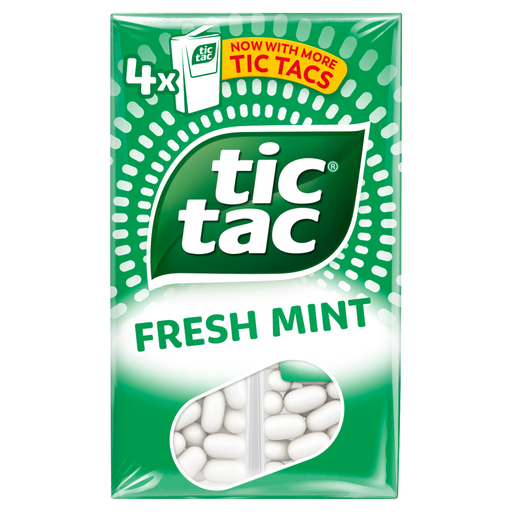
Why This Fits Their Persona: Four compact packs provide a simple way to keep classic mint confectionery in different places, such as a work bag, coat pocket or car.
The multipack format makes the quantity clear, while the ingredient and nutrition information shows that these are sugar-containing mints rather than sugar-free snacks.
Four 18g packs; each pack contains 37 mints; portable format.
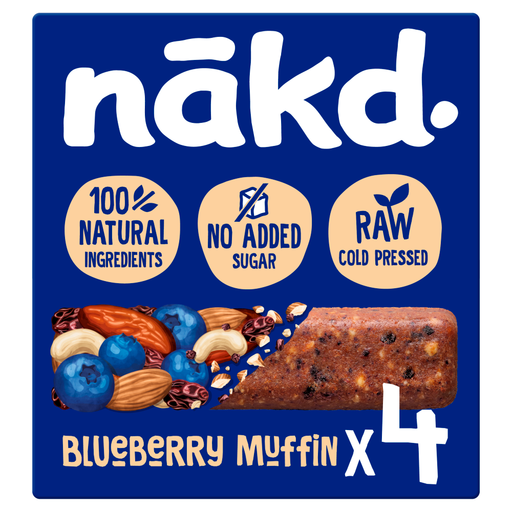
Why This Fits Their Persona: A portioned fruit-and-nut option for shoppers who prefer a soft bar made from dates, raisins, cashews, almonds and freeze-dried blueberries.
The label identifies the nut ingredients and provides nutrition per 35g bar, making it easier to assess the portion instead of assuming “natural” means sugar-free.
Four individually portioned 35g bars; gluten-free and dairy-free according to the supplied product information.
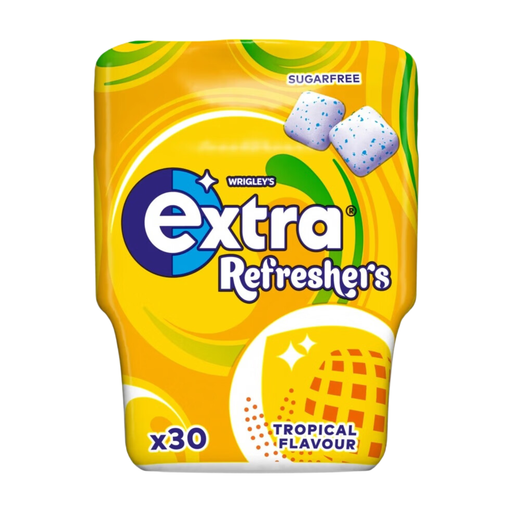
Why This Fits Their Persona: A bottle format suits regular gum users who want a larger supply for commuting, work breaks or after meals.
The product is identified as sugar-free, but the sweeteners, soya allergen, phenylalanine warning and possible laxative effect remain visible considerations.
30 pieces per bottle; tropical flavour; 0g sugars per 100g in the supplied nutrition information.

Why This Fits Their Persona: The individually portioned sachets are designed for adult cats aged 1 year and over, offering a soft lickable format for routine rewards.
The pack gives clear daily guidance of 1–2 snacks and states that it is not suitable for kittens under 12 months, helping owners avoid unsuitable feeding.
20 x 15g sachets; 8.5 kcal per sachet; available in chicken and salmon compositions according to the supplied details.
We have compiled a complete, real-time list of products that fully satisfy these strict selection criteria and UK safety regulations.
Not automatically. Sugar-free products may contain sweeteners instead of sugar, but biscuits and confectionery can still be energy-dense. Review the full nutrition panel, ingredients and recommended portion.
Individually wrapped bars, dried fruit portions, mint tins and gum bottles are practical for commuting because they are portable and ready to eat. Choose resealable packaging for products that may remain in a bag for several days.
Keep unopened treats according to the pack instructions. Store opened products in a cool, dry place, retain individual sachets where provided and use them within the stated guidance. Always check the feeding amount and supervise your cat while eating.