
24/7 Customer Support

Free returns

Same-day & Next-day Delivery

Quality Guaranteed

Unlock Your Welcome Offers: FREE Delivery | Up to 80% OFF | Free 30-day JoyPlus trial
Download the APP
Choosing snacks should be simple, but packaging can make comparisons surprisingly difficult. A “protein” label may draw attention to one nutrient while hiding a high calorie or sugar content. A multipack may look economical until you compare the weight per bar. Imported crisps and biscuits may also use sweeteners or contain allergens that are easy to miss if you only read the front of the packet.
This guide explains the practical details to check before buying snacks for work, school lunchboxes, travel, gym sessions, parties or everyday treats. It also highlights suitable options for different shopping priorities.
Healthy snack bars, oat bars and fruit and nut bars can be convenient, but ingredients and nutrition vary considerably. A product described as “natural”, “wholesome” or “energy-boosting” may still contain substantial amounts of sugar, fat or syrup.
Check the nutrition table per portion, not only the per-100g figures. This makes it easier to compare the actual bar or packet you intend to eat.
Protein bars can suit gym bags or post-workout refuelling, but protein is only one part of the nutritional profile. For example, a 40g Nature Valley Protein Salted Caramel Nut Bar provides 10.4g of protein and 202 kcal. That may suit a substantial snack, but it is not the same as a light snack.
Also check the source of protein. Some bars contain milk, soya or nuts, which matters for people with allergies or dietary restrictions.
A sharing bag of tortilla chips or potato crisps can be convenient for parties, but it is easy to lose track of portions after opening. Individually wrapped multipack snacks are generally easier to place in lunchboxes, desk drawers or travel bags.
For value comparisons, calculate the price per bar, pack or 100g. A larger bag is not automatically better value if it is regularly left open and loses its texture.
UK food labels identify allergens such as wheat, oats, milk, peanuts, tree nuts, soya and sesame in the ingredients or allergen advice. Always read the current packaging, particularly when buying imported snacks or products with flavour-seasoning blends.
“Gluten-free” and “vegan” are not interchangeable. A snack may be vegan but contain gluten, or gluten-free but contain milk, honey or other animal-derived ingredients. For example, some fruit and nut bars use honey, while some oat bars contain soya or may contain traces of milk.
Useful figures to compare include:
A “source of fibre” statement should be considered alongside the full nutrition panel rather than treated as a complete assessment of the product.
For commuting or hiking, choose individually wrapped snacks that can be stored in a bag without refrigeration. Oat bars and cereal bars are usually practical for this purpose, while chocolate-coated snacks may soften in warm conditions.
For parties, consider larger packs such as Doritos Chilli Heatwave 180g. For school lunchboxes, individually wrapped portions such as Kellogg’s Rice Krispies Squares or Cadbury Brunch bars may be easier to manage. Check age-related warnings and choking guidance when buying snacks for young children.
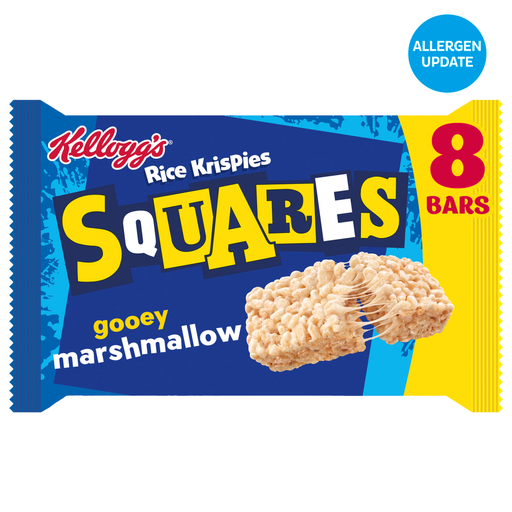
Why This Fits Their Persona: The eight individually portioned 28g bars are practical for lunchboxes, office drawers and family snack planning.
The pack format makes portion size clear, avoiding the uncertainty of eating from a large open bag.
Eight wrapped bars; each 28g bar provides 119 kcal. Contains wheat, barley and milk.
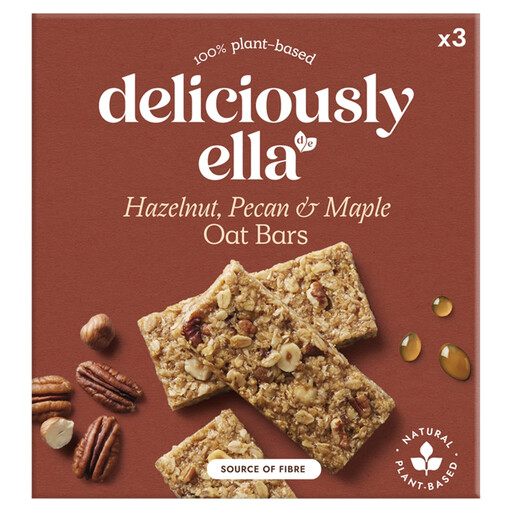
Why This Fits Their Persona: This oat bar suits shoppers looking for a nut-based flapjack-style snack with maple flavour and a substantial texture.
The listed ingredients identify oats, pecans, hazelnuts and maple syrup rather than relying only on broad front-of-pack descriptions.
50g bar format; 244 kcal and 2.6g fibre per bar. Contains nuts and oats; check the may-contain statement.

Why This Fits Their Persona: A useful choice for gym bags, active commutes or post-workout refuelling when a higher-protein bar is preferred.
Its protein and fibre quantities are displayed per 40g serving, helping shoppers assess the bar rather than a misleadingly large reference amount.
10.4g protein and 5.5g fibre per bar. Contains peanuts, almonds, milk and soya.
We have compiled a complete, real-time list of products that fully satisfy these strict selection criteria and UK safety regulations.
Individually wrapped on-the-go snacks such as cereal bars, protein bars and fruit and nut bars are easy to carry and store. Choose products with a clear best-before date and keep them in a cool, dry place as directed on the packaging.
Protein bars can be convenient, but their ingredients vary. Check protein, energy, sugar and salt values, as well as allergens such as milk, peanuts, tree nuts and soya. They should be selected according to personal dietary needs rather than the word “protein” alone.
Keep unopened packets in a cool, dry cupboard. Once opened, reseal sharing bags or transfer the contents to an airtight container, following any product-specific storage guidance. Smaller multipack snacks may help reduce waste because each portion remains sealed until needed.