
24/7 Customer Support

Free returns

Same-day & Next-day Delivery

Quality Guaranteed

Unlock Your Welcome Offers: FREE Delivery | Up to 80% OFF | Free 30-day JoyPlus trial
Download the APP
Buying snacks and sweets multipacks can be convenient, but a larger outer bag does not always mean better value or better suitability. UK shoppers may be buying for lunchboxes, office cupboards, parties, students’ rooms or family sharing, and each situation calls for a different format.
Common problems include packs containing fewer individual portions than expected, products that do not suit allergy requirements and oversized bags that lose freshness before they are finished. Marketing language can also distract from the details that matter, such as net weight, serving size, packaging and storage instructions.
This guide explains what to check before buying, followed by practical recommendations for different shopping needs.
A 900g bag of sweets may appear economical, but it may not provide individually wrapped servings. That matters if you need lunchbox treats, party bag sweets or hygienic sharing options. Conversely, a smaller box containing several wrapped biscuit bars may be easier to portion and store.
Check whether the listing states:
For example, a 20-pack of 25g crisps gives a clearer portion structure than a single large sharing bag.
Products within the same broad category can contain very different ingredients. Chocolate bar multipacks may include milk, wheat, soya, peanuts or hazelnuts, while sweets multipacks may contain gelatine. Savoury snacks can include milk, mustard, sesame, soya or gluten-containing cereals.
Always check the bold allergen declaration on the current packaging, particularly when buying for children, schools, offices or guests. Product information can change, and “suitable for vegetarians” does not automatically mean suitable for every dietary requirement.
Once opened, moisture, heat and air can affect texture. Crisps may lose their crunch, while sweets can become sticky if stored in humid conditions. Multipacks with sealed inner portions can reduce this issue, but a large open bag may need to be resealed carefully and consumed within the stated best-before guidance.
Store confectionery and snacks in a cool, dry place away from direct sunlight, following the packaging instructions.
Choose the format according to how the snacks will be used:
A pack with fewer, larger bars may suit adults, while smaller biscuit bars or mini sweets may be easier to distribute.
Look beyond the front-of-pack flavour description. Review the ingredient list and allergen statement for:
For products such as Korean snacks, translated or imported packaging may present information in a different layout. Check that the UK-facing product details and packaging provide the information you need before serving.
UK food labels commonly provide nutrition per 100g and sometimes per bar or packet. The per-serving figures are more useful when comparing lunchbox treats or on-the-go snacks. Look at energy, sugars, saturated fat and salt, especially when choosing between sweet and savoury options.
These products are intended as treats or snacks rather than substitutes for varied meals. Portion format can make it easier to plan how much is served.
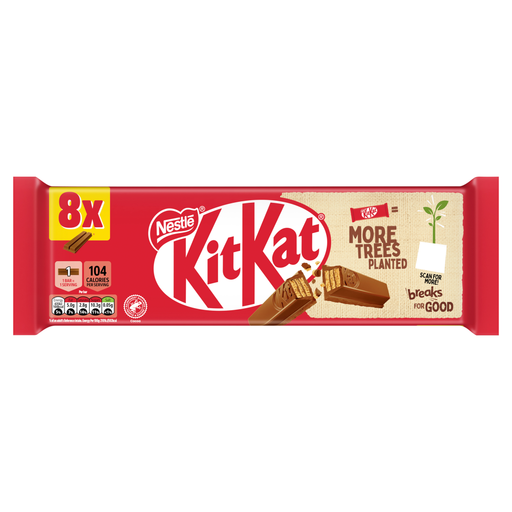
Why This Fits Their Persona: Eight individually portioned biscuit bars provide a straightforward option for cupboards, packed lunches and occasional breaks without committing to a large box.
The listed pack count and 20.7g bar size make the number of servings clear, avoiding confusion between outer-pack weight and usable portions.
Eight individually wrapped bars; each bar provides two wafer fingers covered in milk chocolate.
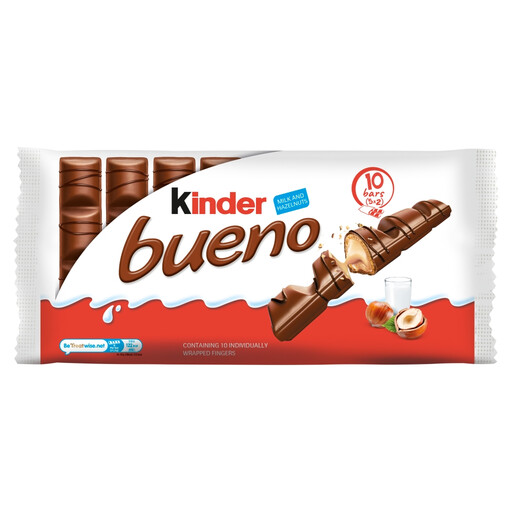
Why This Fits Their Persona: A larger box of individually wrapped wafer, hazelnut filling and milk chocolate bars suits shoppers who want a familiar confectionery option for home entertaining or personal reserves.
The ten-bar count and individual wrapping address portion and freshness concerns more directly than one unsealed sharing pack.
Ten individually wrapped bars; contains milk, wheat, hazelnuts and soya, with allergen information provided.
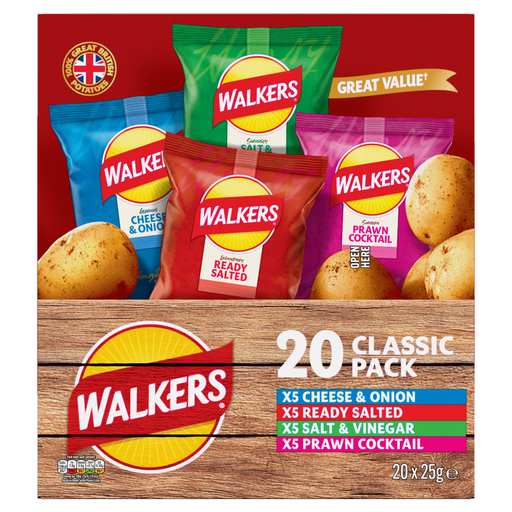
Why This Fits Their Persona: Twenty single-serve crisp packets are designed for busy families, office kitchens, children’s lunches and gatherings where several flavours are useful.
The inner-pack count and 25g serving size are stated clearly, while four flavours reduce the need to buy multiple separate boxes.
Twenty 25g packs; includes Cheese & Onion, Salt & Vinegar, Prawn Cocktail and Ready Salted flavours.
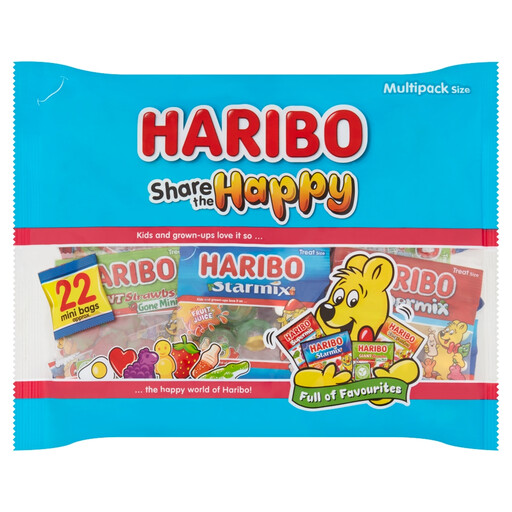
Why This Fits Their Persona: Twenty-two mini bags make this format practical for party tables, party bag sweets, film nights and distributing individual portions.
Mini bags reduce repeated handling of one large open bag and make the total number of servings visible before purchase.
Twenty-two mini bags with a 352g total weight; the listed ingredients include gelatine of bovine origin.
We have compiled a complete, real-time list of products that fully satisfy these strict selection criteria and UK safety regulations.
They can reduce the cost per portion, but this depends on the pack price, total weight and the number of usable servings. Compare the price per bar, packet or 100g, rather than relying on the word “multipack”. Also consider whether every portion will be eaten before the best-before date.
Individually wrapped biscuit bars, chocolate bars, crisps packets and mini sweets are generally easier to pack and distribute. Check school or workplace policies and always review allergen information. Products such as Blue Riband, KitKat, Toffee Crisp and individual crisp packs offer clear serving formats, but their ingredients differ.
Keep chocolate, gummy sweets and savoury snacks sealed in a cool, dry place away from direct sunlight and heat. Follow the product’s storage guidance and reseal any opened outer packaging. For longer storage, individually wrapped formats can help preserve texture compared with one large opened bag.