
24/7 Customer Support

Free returns

Same-day & Next-day Delivery

Quality Guaranteed

Unlock Your Welcome Offers: FREE Delivery | Up to 80% OFF | Free 30-day JoyPlus trial
Download the APP
Buying snacks and world foods online UK shoppers actually want can be more complicated than scrolling through a large product catalogue. Pack sizes vary, frozen items require planning and familiar packaging does not always tell you whether a product suits your dietary needs.
Whether you are filling a family cupboard, ordering lunchbox snacks, exploring Korean ramen or stocking the freezer with dumplings and paratha flatbread, three common buying traps are worth avoiding.
A large box is not automatically the most economical option. A multipack chocolate bars format may contain individually wrapped portions, while another product may simply combine several larger bars. Compare the total weight, number of portions and storage life, rather than judging by the outer box.
This is particularly useful when comparing family snack packs, sweets and confectionery, and crisps multipacks. Individual wrapping can support portion control and lunchbox use, but it may also mean you are paying for convenience rather than a lower price per 100g.
Frozen food cannot be treated like a cupboard staple. Asian frozen food such as frozen dumplings, paratha flatbread and mantou buns generally needs storage at -18°C or below. Check that your freezer has sufficient space before ordering and plan to put frozen items away promptly after delivery.
Shelf-stable products have different requirements. Instant noodles, cooking sauces and stock pots usually need a cool, dry cupboard, while some sauces require refrigeration after opening.
Terms such as vegetarian snacks or halal food can help narrow your search, but they should not replace checking the current packaging. Always review the ingredients, highlighted allergens, preparation instructions and certification details where relevant.
Common allergens across international groceries include wheat, gluten, milk, soya, peanuts, tree nuts, sesame, celery and crustaceans. Recipes and packaging can change, so the product label remains the most current reference.
For busy households, a 9-pack of twin snack bars, a 12-pack of crisps or a 1.6kg family pack may reduce repeat orders. For occasional treats, smaller packs can help prevent products being left open or forgotten.
Check whether the listed weight refers to the entire pack or each unit. For example, a 270g crisps multipack may contain three 90g bags, while a 360g chocolate multipack may contain nine 40g twin packs.
UK food labels commonly show nutrition per 100g and, where practical, per serving. Use both figures: per-100g values make products easier to compare, while per-portion information reflects how you are likely to eat them.
This matters for products such as Korean ramen and instant noodles, where seasoning sachets can contribute considerable salt. A pack of Samyang Buldak Cheese Ramen lists 3.5g of salt per 100g, while Indomie Mi Goreng lists 4.0g per 100g. These products can work as quick meals, but portion size and the full preparation method should be considered.
Frozen dumplings may need microwaving, steaming or pan cooking. Itsu Chicken Soup Dumplings, for instance, are designed for microwave preparation from frozen, with instructions to allow the hot soup centre to stand before eating. Mantou buns require steaming or another specified cooking method, while paratha can be cooked from frozen on a griddle.
For cupboard items, check whether a product is ready to eat or needs cooking. Also note “do not refreeze” instructions on frozen products after defrosting.
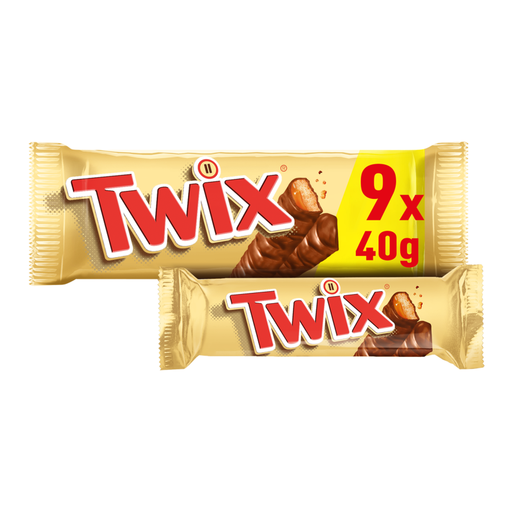
Why This Fits Their Persona: Nine individually packed 40g twin packs are practical for desk drawers, lunchboxes and shared household storage.
The unit count and total net quantity are clearly stated, making it easier to compare with other multipack chocolate bars.
Individually portioned; store in a cool, dry place; contains milk, soya and wheat.

Why This Fits Their Persona: A freezer option for shoppers who want a convenient Asian-inspired meal with a defined microwave preparation method.
The pack states that it is frozen, gives cooking guidance and highlights the need to let the hot centre stand before eating.
Microwaveable steam-in-tray format; 13g protein per 168g pack; contains wheat and soya.
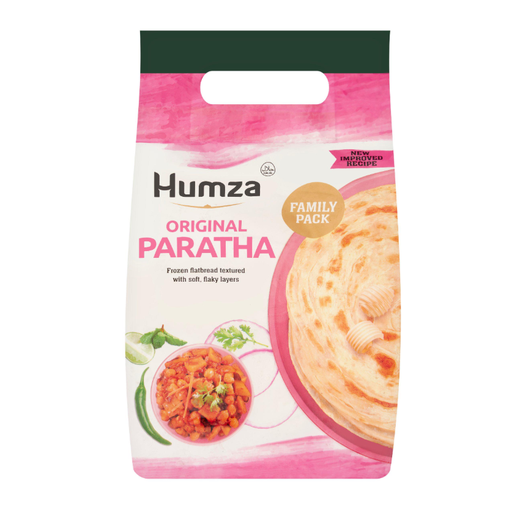
Why This Fits Their Persona: Around 20 frozen flatbreads suit larger families, regular curry nights and halal or vegetarian meal planning.
The product information specifies the approximate piece count, frozen storage, halal status and vegetarian suitability.
1.6kg family pack; cooks from frozen on a griddle; contains wheat and soya.
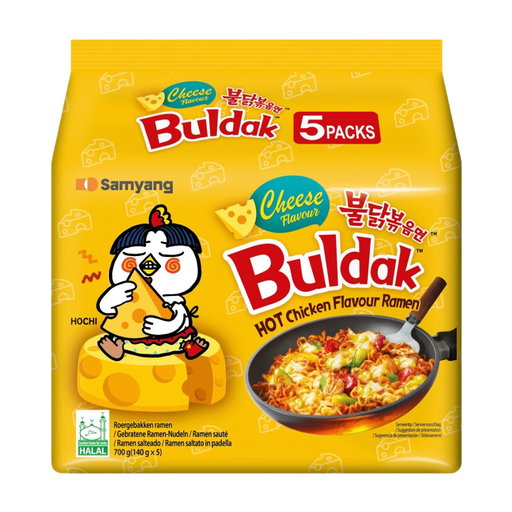
Why This Fits Their Persona: A five-pack gives students, spicy-food fans and busy professionals several quick meals to keep in the cupboard.
The product description clearly warns that the noodles are extremely spicy and identifies the main allergens.
Five 140g portions; seasoning sauce and garnish included; store in a cool, dry place.
We have compiled a complete, real-time list of products that fully satisfy these strict selection criteria and UK safety regulations.
It can be convenient and may offer access to larger multipacks or specialist products, but value depends on the price per 100g, delivery cost and minimum order requirements. Compare the complete basket rather than the headline product price.
Check the delivery information, ensure someone can receive the parcel and make freezer space beforehand. Put frozen dumplings, mantou buns and paratha flatbread into the freezer promptly, and follow the storage instructions on each package.
Individually wrapped chocolate bars, small crisps multipacks and portioned fruit sweets can be convenient for lunchboxes. Always check age guidance, choking warnings, allergen information and school-specific restrictions before packing them.