
24/7 Customer Support

Free returns

Same-day & Next-day Delivery

Quality Guaranteed

Unlock Your Welcome Offers: FREE Delivery | Up to 80% OFF | Free 30-day JoyPlus trial
Download the APP
Soba noodles are a staple in Japanese cuisine, known for their distinctive nutty flavour and versatility. Yet, a quick search online or a walk down the supermarket aisle reveals a confusing array of options. From traditional dried buckwheat noodles to instant soba cup noodles, it's easy to pick the wrong pack for your needs. Many UK shoppers end up with noodles that are mushy, flavourless or simply not what they expected.
As the Joybuy Product Recommendation Officer, my role is to help you navigate these choices. This guide will break down the common pitfalls when buying soba noodles and highlight the key factors to check, ensuring you get the perfect noodles for a quick lunch or an authentic home-cooked meal.
Before you add a pack to your basket, be aware of these frequent issues that can lead to a disappointing meal:
To make sure you're getting the right product, focus on these two non-negotiable specifications on the packaging.
For anyone seeking the authentic taste of Japanese noodles, the buckwheat content is the most important factor. This is usually listed in the ingredients as a percentage.
Understanding the format is key to avoiding a kitchen mishap.
To make your choice easier, here are some recommendations matched to different needs and preferences.
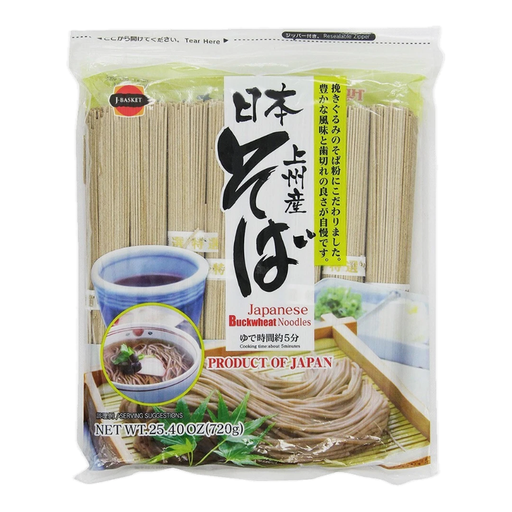
Why This Fits Their Persona: For those in the UK dedicated to recreating authentic Japanese recipes, these noodles provide the genuine flavour and texture needed for dishes like cold zaru soba or hot noodle soups. The large pack size is ideal for regular use.
This product clearly states its 52% buckwheat flour content, avoiding the "soba deception" by offering a genuine, high-buckwheat noodle rather than a wheat-based imitation.
Delivers an authentic nutty flavour and firm texture. The 720g pack offers excellent value for home cooks who use soba frequently.
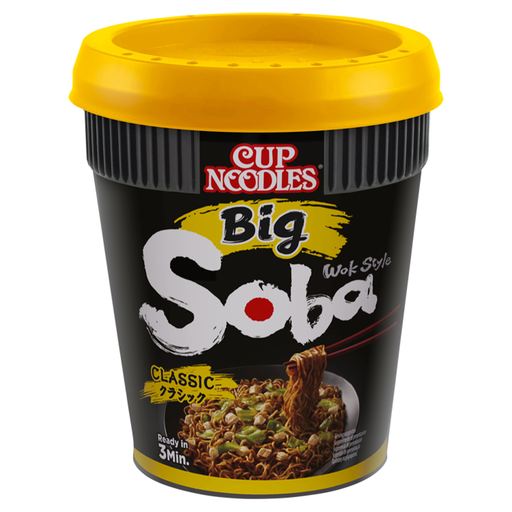
Why This Fits Their Persona: Perfect for a quick, satisfying and mess-free lunch at the desk. It requires only boiling water and is ready in three minutes, making it an ideal solution for a busy workday in the UK.
This is unambiguously a soba cup noodle. The innovative draining lid ensures you get a wok-style noodle, not a soup, avoiding the "instant vs. traditional" confusion.
Extremely convenient with its 3-minute preparation and clever draining lid. The classic yakisoba sauce offers a familiar and satisfying savoury flavour.
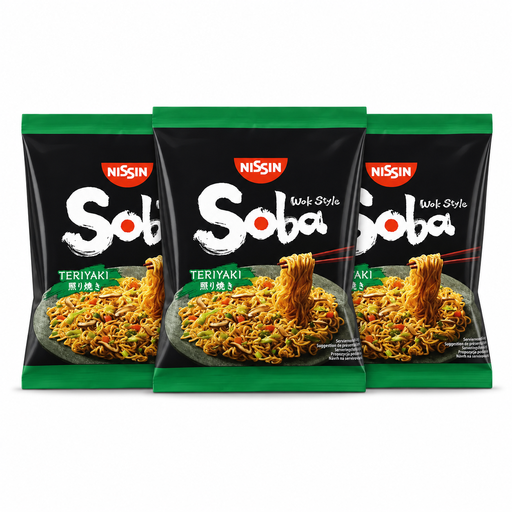
Why This Fits Their Persona: For families or individuals who like to have a quick meal base on hand, this multi-pack is economical and easy to store. It's a versatile base for a quick stir-fry dinner; just add vegetables and a protein.
This is clearly a bag of stir fry noodles, not a cup or traditional dried soba. The classic Teriyaki flavour is well-defined, setting clear expectations for the taste profile.
The 3-pack format offers great value and convenience for stocking the pantry. The sweet and savoury teriyaki sauce provides a popular and authentic Japanese flavour.
We have compiled a complete, real-time list of products that fully satisfy these strict selection criteria and UK safety regulations.
1. What is the difference between soba and ramen noodles? The primary difference is the flour used. Traditional soba noodles are made from buckwheat flour, giving them a greyish-brown colour and a nutty flavour. Ramen noodles are made from wheat flour and kansui (alkaline water), which gives them a yellowish hue and a springy, chewy texture.
2. Can I eat soba noodles cold? Yes, and it's a very popular way to enjoy them in Japan. To serve soba cold (a dish called zaru soba), cook the dried noodles as instructed, then immediately drain and rinse them thoroughly under cold running water. This removes excess starch and stops the cooking process, ensuring a firm texture. Serve the chilled noodles with a side of tsuyu dipping sauce.
3. Are instant soba noodles a healthy choice? Instant soba noodles are incredibly convenient for a quick meal. Like many instant foods, they can be higher in sodium. To make them a more balanced meal, consider adding fresh ingredients like steamed broccoli, sliced spring onions, a boiled egg or grilled chicken. Always check the nutritional information on the packet to make an informed choice that fits your dietary needs.