
24/7 Customer Support

Free returns

Same-day & Next-day Delivery

Quality Guaranteed

Unlock Your Welcome Offers: FREE Delivery | Up to 80% OFF | Free 30-day JoyPlus trial
Download the APP
Soba noodles can be a useful cupboard staple for quick lunches, chilled Japanese dishes and warming noodle soups. However, the word “soba” does not always mean the same thing across the shelf. Some products are traditional-style dried noodles made with wheat and buckwheat, while others are instant yakisoba noodles with sauce sachets and little or no buckwheat.
For UK shoppers, three common buying traps are worth avoiding:
Check the ingredient list rather than relying on front-of-pack wording. In the UK, ingredients are generally listed by weight, so the first listed flour is usually the main component. A product containing 20% buckwheat flour, such as Akagi Joshu Soba, will have a different flavour and texture from one listing 30% buckwheat flour, such as Yutaka Soba Noodles.
Buckwheat contributes the characteristic earthy, nutty flavour associated with Japanese soba noodles. Wheat provides gluten and structure, helping the noodles remain springy during cooking. If you are looking for a stronger buckwheat profile, compare the stated percentage carefully.
Products vary considerably:
Most dried soba noodles available in mainstream UK and Asian food shops contain wheat and gluten. Buckwheat itself is not wheat, but it is still important to read the complete allergen statement because recipes and manufacturing environments differ.
Check for:
Do not assume that plain-looking noodles are free from allergens. Always check the packaging supplied with your order, particularly if you have an allergy or need to avoid cross-contamination.
Choose the format that matches your routine:
For cold dishes, rinse cooked noodles under cold running water to remove excess surface starch and stop carry-over cooking. For hot soba noodles, rinse first and briefly warm them before adding to broth. This helps preserve a firmer texture.
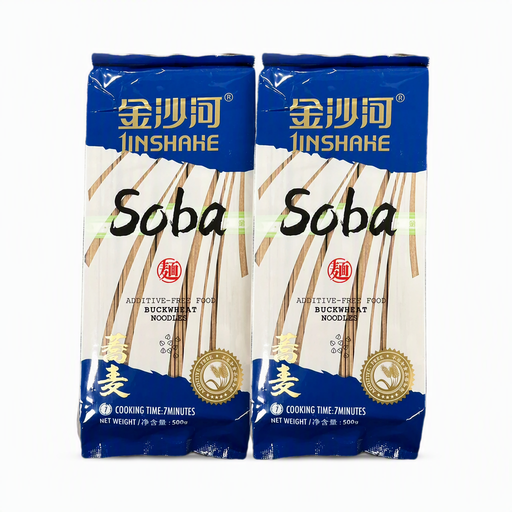
Why This Fits Their Persona: The two 500g packs suit shoppers who want a straightforward cupboard staple for soups, salads and cold noodle dishes without committing to a large single bag.
The listing specifies a buckwheat proportion of at least 30%, helping buyers compare the flour ratio instead of relying only on the word “soba”.
Two separate 500g quantities; suitable for both hot and cold meals; includes a stated 30% or higher buckwheat content.
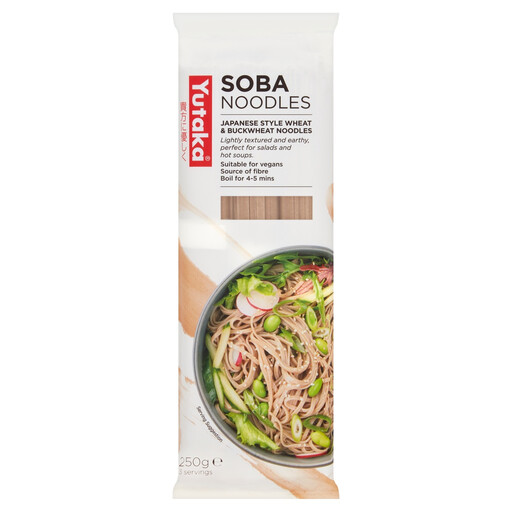
Why This Fits Their Persona: A smaller pack with a clearly stated flour breakdown suits cooks who prioritise flavour comparison and traditional serving methods.
The ingredient information identifies 58% wheat flour and 30% buckwheat flour, so the composition is easier to assess before purchase.
Suitable for hot and cold dishes; cooking guidance includes rinsing and briefly reheating noodles for soup.
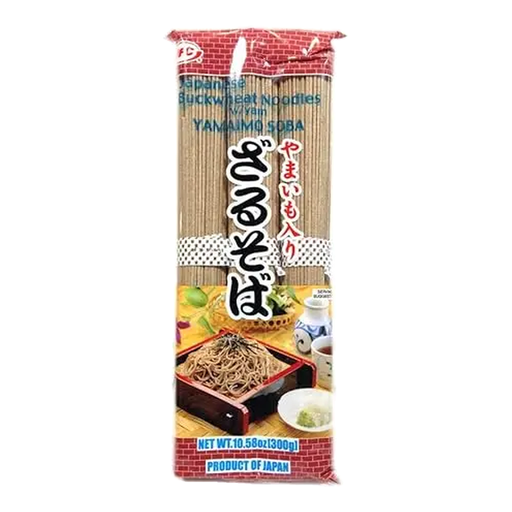
Why This Fits Their Persona: This option is aimed at shoppers specifically preparing chilled zarusoba with dipping sauce rather than using noodles mainly in soup.
Its description makes the intended chilled serving style clear, reducing the chance of buying an instant stir-fry product for a traditional dipping-sauce dish.
Includes yam for a smooth, slightly slippery texture; 300g pack; instructions recommend cooking for approximately four to five minutes and rinsing thoroughly.
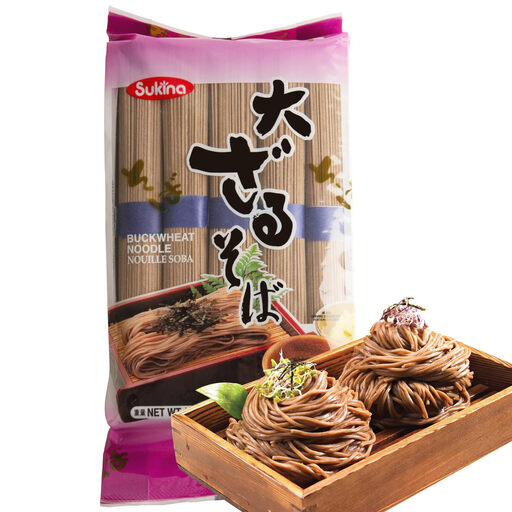
Why This Fits Their Persona: The stated 15-serving quantity is practical for larger households, batch cooking and regular weekday meals.
The pack clearly states its approximate serving count and intended uses, making it easier to judge value against household consumption.
1.36kg quantity; suitable for chilled dishes, broth and stir-fries; dry ambient storage.
We have compiled a complete, real-time list of products that fully satisfy these strict selection criteria and UK safety regulations.
Use a large pan of boiling water and separate the noodles as they enter the pan. Follow the packet timing, as thickness and flour ratios affect cooking speed. Rinse dried soba noodles after boiling when you want a firm texture, particularly for cold soba noodles.
Keep unopened packs in a cool, dry place away from direct sunlight. Once opened, reseal the packet or transfer the noodles to an airtight container to limit moisture and odour absorption. Instant products should be discarded if the packaging is torn, leaking or damaged.
Most commercially available soba noodles are not gluten-free because they contain wheat flour. Check the allergen statement and ingredient list carefully. Products with seasoning sachets may also contain soya, fish or other allergens.
Many dried soba varieties are suitable for both. Cook and rinse them first, then either serve chilled with dipping sauce or briefly reheat them before adding to soup. Products specifically labelled zarusoba are particularly suited to chilled serving.
They are shelf-stable when unopened, but the exact best-before date is printed on the packaging. After opening, reseal the pack and store it somewhere cool and dry. Use the noodles promptly if they become damp, clumped or develop an unusual odour.