
24/7 Customer Support

Free returns

Same-day & Next-day Delivery

Quality Guaranteed

Unlock Your Welcome Offers: FREE Delivery | Up to 80% OFF | Free 30-day JoyPlus trial
Download the APP
Whether you want a three-minute office lunch, chilled zaru soba or a large pantry pack for family meals, choosing the right soba noodles is not simply a matter of picking the most attractive packet. Products labelled “soba” can differ considerably in ingredients, preparation method, portion size and flavour.
For UK shoppers, the main buying mistakes usually come from confusing instant yakisoba with traditional buckwheat noodles, overlooking allergen information and choosing a pack size that does not suit the way it will be used.
Many Japanese noodles and Japanese-style noodles use a blend of wheat and buckwheat flour. Some products contain only a modest quantity of buckwheat, while others are primarily wheat-based. This affects the flavour, texture and suitability for shoppers specifically looking for buckwheat noodles.
For example, Yutaka Soba Noodles list 58% wheat flour and 30% buckwheat flour. Other products may provide a different ratio, so check the ingredient list rather than relying on the word “soba” on the front of the pack.
Instant soba noodles and yakisoba noodles are often designed to be drained and mixed with a concentrated sauce. They are convenient, but they are not the same as dried soba noodles intended for a dipping sauce or soup.
Nissin Soba products, for example, include wheat noodle blocks, sauce sachets and, in some cases, dried vegetables or meat pieces. They are designed for quick stir-fried-style meals rather than classic cold soba.
Most wheat and buckwheat noodles contain wheat or gluten. Sauces can also contain soya, fish, celery, milk, sesame or other allergens. Always check the latest packaging information, particularly if buying products for children, guests or anyone with a food allergy.
Nutrition figures can also be misleading if you compare “per 100g” values with “per pot” values. An instant cup may have a relatively small dry weight but a much higher total value after preparation with its sauce.
If your priority is a stronger nutty flavour, look for a clearly stated buckwheat percentage. A simple ingredient list may include wheat flour, buckwheat flour, water and salt, although some products also use tapioca starch, stabilisers or acidity regulators to influence texture.
Products described as wheat and buckwheat noodles can work well for everyday meals because wheat helps provide elasticity while buckwheat contributes its distinctive aroma. However, they are not suitable for anyone avoiding wheat or gluten unless the packaging specifically confirms otherwise.
Consider how much time and equipment you have available:
Single cups and 90–110g bags are practical for desks, student kitchens and quick lunches. Multipacks reduce the need to reorder when you already know which flavour you enjoy. Larger dried noodle packs, such as 800g, 1.3kg or 1.36kg options, are more appropriate for families, meal preparation and frequent cooking.
Store unopened noodles in a cool, dry place. After opening a dried noodle pack, reseal it tightly or transfer it to an airtight container to protect it from moisture and odours. Check the best-before date on the packaging, as product information can change between batches.
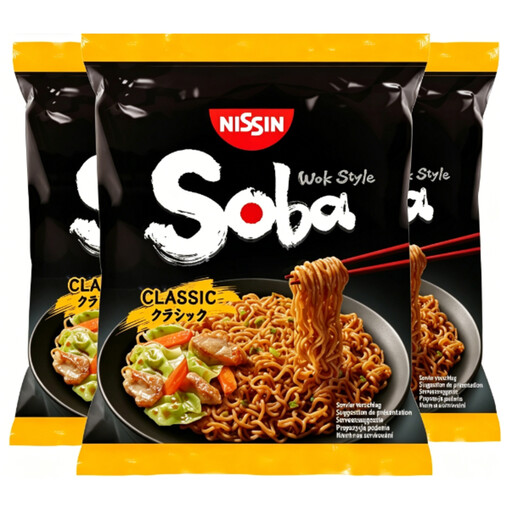
Why This Fits Their Persona: A three-pack offers a straightforward way to try wok-style noodles without committing to a large dried noodle bag.
The product description identifies these as wheat-based yakisoba-style noodles, so shoppers are less likely to mistake them for high-buckwheat soba.
Three individual 109g packs; preparation includes boiling, adding sauce and stir-frying.
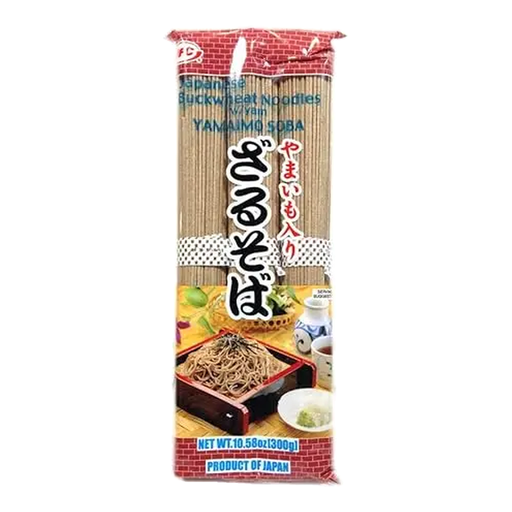
Why This Fits Their Persona: Suitable for shoppers who specifically want chilled Japanese soba with a traditional dipping-sauce presentation.
The listing states that it contains wheat flour, buckwheat flour and yamaimo, making the noodle style and ingredients clearer than a generic “soba” label.
300g pack; instructions specify four to five minutes of cooking and thorough cold-water rinsing.
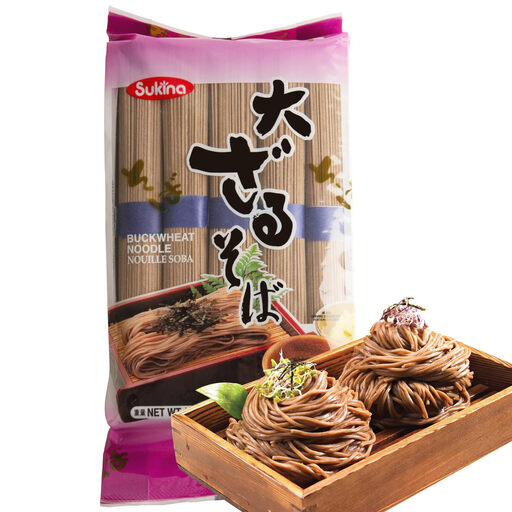
Why This Fits Their Persona: The large pack is suited to families, regular soba eaters and meal preppers who use noodles across several dishes.
The listing states that the noodles are for hot dishes, cold zaru soba and stir-fries, rather than limiting them to one preparation style.
1.36kg quantity; listed as approximately 15 servings; contains wheat and buckwheat flour.
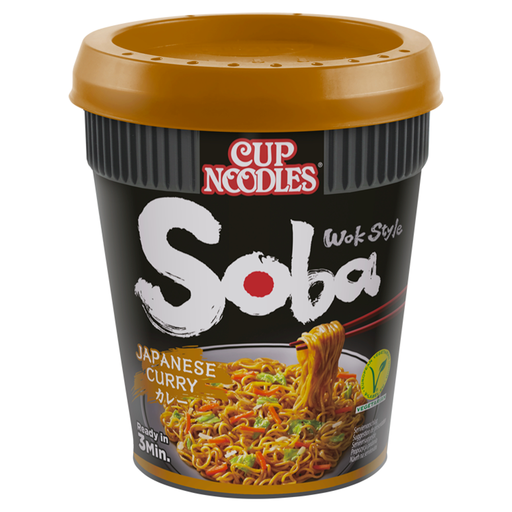
Why This Fits Their Persona: A self-contained cup with a draining lid is convenient for work kitchens, student accommodation and quick meals at home.
The preparation method clearly explains filling, waiting for three minutes, draining and adding sauce, so it is not presented as a soup noodle.
90g cup; three-minute preparation; listed as vegetarian-friendly with wheat, soya and milk allergens.
We have compiled a complete, real-time list of products that fully satisfy these strict selection criteria and UK safety regulations.
For dried Japanese soba noodles, bring a large pan of water to the boil and separate the noodles as they enter the pan. Stir occasionally and follow the packet timing. Drain promptly, then rinse under cold water if serving chilled or using the noodles in a salad.
For hot soup, rinse the cooked noodles first and warm them briefly before adding them to the broth. This helps maintain a firmer texture. Instant products should be prepared according to their own instructions, including the correct water level and draining method. Do not consume uncooked noodle blocks.
Most commercially available soba noodles are not gluten-free because they contain wheat flour. Buckwheat itself is naturally different from wheat, but the finished product may include wheat or be made in an environment handling gluten. Check the allergen declaration carefully.
Yes. Many dried soba noodles are designed for cold serving. Cook them, rinse thoroughly under cold running water and drain well before serving with a dipping sauce, vegetables or other toppings. This is the usual preparation style for zaru soba.
Unopened dried noodles are shelf-stable and should be used by the best-before date printed on the packaging. Once opened, keep them sealed in a cool, dry place and use them promptly to reduce moisture absorption and odour transfer.