
24/7 Customer Support

Free returns

Same-day & Next-day Delivery

Quality Guaranteed

Unlock Your Welcome Offers: FREE Delivery | Up to 80% OFF | Free 30-day JoyPlus trial
Download the APP
Soba noodles can refer to several different products, from dried buckwheat noodles for chilled Japanese dishes to instant yakisoba noodles designed for a three-minute lunch. The main buying mistake is assuming that every product labelled “soba” contains a high proportion of buckwheat or is suitable for the same recipes.
For UK shoppers, three common traps deserve attention:
If you want a nutty flavour and the characteristic darker colour of buckwheat noodles, check the ingredient list and any stated ratio. Ingredients are listed by weight, so wheat flour appearing first indicates a wheat-dominant recipe.
For example, NIKKO Buckwheat Noodle 908g contains 25% buckwheat flour, while Yutaka Soba Noodles 250g lists 30% buckwheat flour and 58% wheat flour. Akagi Joshu Soba 270g contains 20% buckwheat flour. These products are Japanese-style soba noodles rather than gluten-free buckwheat pasta.
Some products give less specific percentages. Sempio Buckwheat Noodles Soba 1.3kg lists wheat flour, buckwheat flour, salt and water, but does not state a percentage in the supplied product information. If the ratio matters to you, use the packaging details rather than relying on front-of-pack wording.
The preparation style affects both texture and convenience:
Follow each packet’s instructions. Several dried varieties require around four minutes of boiling, followed by rinsing under cold water. This removes excess surface starch and helps maintain a firmer texture, particularly for cold dishes.
Wheat and gluten are common in Japanese noodles, Korean soba noodles and mixed buckwheat products. Check the bold allergen declaration before purchase, especially if you have a wheat, buckwheat or soya allergy. Products may also carry precautionary statements for celery, fish, crustaceans, milk, mustard or sesame.
Portion sizes vary considerably. A 1kg or 1.3kg pack may suit families, meal preparation or frequent noodle meals, while a 250g or 270g pack may be easier to use before the opened packet loses quality. Instant products are convenient, but compare the prepared nutrition panel and salt content rather than assuming a smaller packet is automatically a lighter meal.
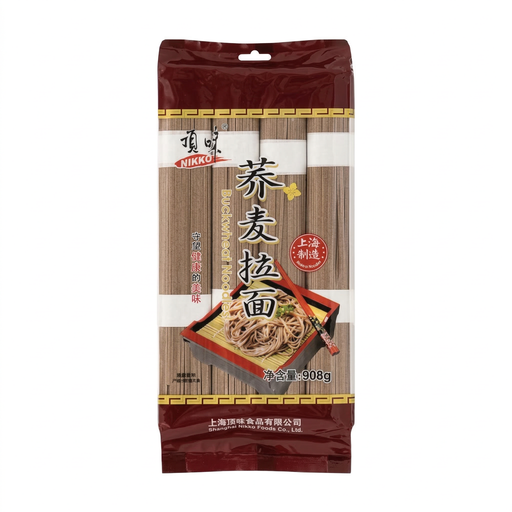
Why This Fits Their Persona: The 908g size gives new soba cooks enough noodles for repeated lunches, soups and stir-fries without moving straight to a 1kg-plus family pack.
The stated 25% buckwheat ratio makes the flour blend clearer than products that only use “soba” as a style description.
908g quantity; wheat and buckwheat ingredients; suitable for hot or cold noodle recipes.
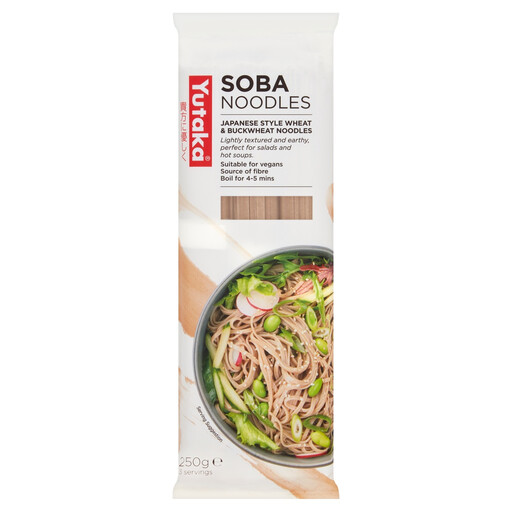
Why This Fits Their Persona: A smaller pack with a stated flour breakdown suits shoppers who want to focus on recipe quality and controlled storage rather than maximum quantity.
The product information states 30% buckwheat flour, helping distinguish it from wheat-dominant instant yakisoba products.
30% buckwheat flour; designed for both hot and cold dishes; cooking guidance includes rinsing after boiling.
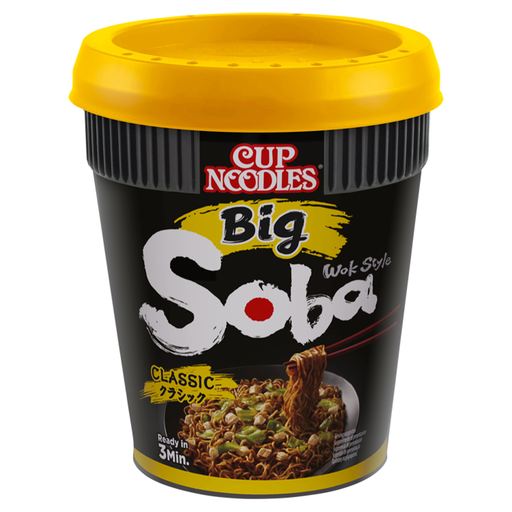
Why This Fits Their Persona: The cup format is practical for an office cupboard or quick meal at home, with preparation based on boiling water and a three-minute standing time.
It is clearly presented as a wheat-based instant product, so shoppers are less likely to mistake it for dried buckwheat noodles.
Three-minute preparation; draining lid; classic yakisoba sauce sachet included.
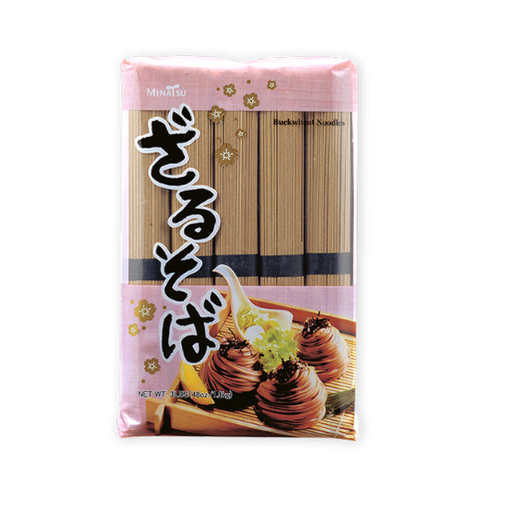
Why This Fits Their Persona: The 1.3kg pack is suited to families, frequent home cooks and meal preparation involving soups, cold noodles, salads and dipping sauces.
The product is identified as a dried noodle requiring boiling, rather than an instant cup that limits recipe flexibility.
1.3kg quantity; suitable for hot, cold and salad dishes; resealable storage is recommended after opening.
We have compiled a complete, real-time list of products that fully satisfy these strict selection criteria and UK safety regulations.
Dried soba noodles work well in several everyday meals:
Green tea soba noodles can add colour and a mild tea flavour to a chilled dish. For a larger household, products such as Sukina Buckwheat Soba Noodle 1.36kg or Bai Xiang Buckwheat Noodles 1kg may be more practical than buying several small packs, provided they are stored in a cool, dry place.
Not usually. Many soba noodles contain wheat flour alongside buckwheat flour, and instant varieties commonly contain wheat and soya. Check the full ingredient list and allergen statement rather than relying on the word “buckwheat”.
Follow the best-before information on the packet and keep the noodles dry, sealed and away from strong odours. Use them promptly if they become damp, clumped or noticeably altered in appearance. Instant cups and sachets should also remain intact before preparation.
They provide a quick noodle portion, but you can add vegetables and a protein source for a more substantial meal. Review the prepared nutrition panel, particularly salt, fat and portion size, before making instant soba a frequent choice.