
24/7 Customer Support

Free returns

Same-day & Next-day Delivery

Quality Guaranteed

Unlock Your Welcome Offers: FREE Delivery | Up to 80% OFF | Free 30-day JoyPlus trial
Download the APP
Soba noodles can look remarkably similar on a supermarket shelf, yet the difference between a 60g single portion, a family-sized pantry pack and a three-minute instant pot is substantial. UK shoppers comparing Japanese soba noodles, Korean buckwheat noodles and yakisoba-style products should look beyond words such as “traditional”, “healthy” or “authentic”.
The main buying traps are straightforward:
Ingredients are listed by weight, so the first ingredient gives a useful indication of the product’s composition. For example, Yutaka Soba Noodles 250g list 58% wheat flour and 30% buckwheat flour, while Jin Sha He Buckwheat Noodles list at least 30% buckwheat flour.
Some products contain considerably less. Sukina Memil Kuksoo lists wheat flour at 92.5% and buckwheat at 3%, making it a wheat-led noodle with a buckwheat note rather than a high-buckwheat product.
A higher buckwheat proportion may provide a more noticeable earthy, nutty flavour, but it can also affect texture and cooking behaviour. For everyday family meals, a wheat-and-buckwheat blend can offer a firmer, more forgiving noodle.
Most commercial soba and buckwheat noodles available in the UK contain wheat or cereals containing gluten. Check the bold allergen declaration rather than relying on the product name or front-of-pack imagery.
Examples include:
If you have coeliac disease, a wheat allergy or another dietary restriction, read the latest packaging carefully and contact the manufacturer where necessary. “Buckwheat noodles” does not by itself mean gluten-free.
Choose the format according to how you expect to eat the noodles:
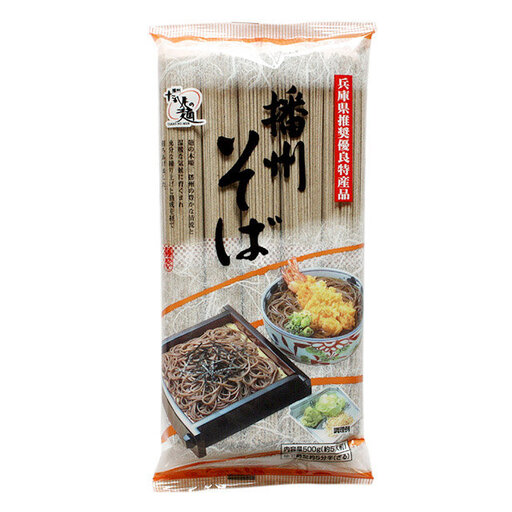
Why This Fits Their Persona: A substantial dry pack for shoppers building an Asian pantry or cooking regular noodle lunches and dinners at home.
The product information identifies wheat flour and buckwheat flour rather than presenting it as a buckwheat-only noodle. Check the pack for the exact ratio and allergen advice.
800g quantity; suitable for hot or cold noodle dishes; dry format stores conveniently in a cupboard.
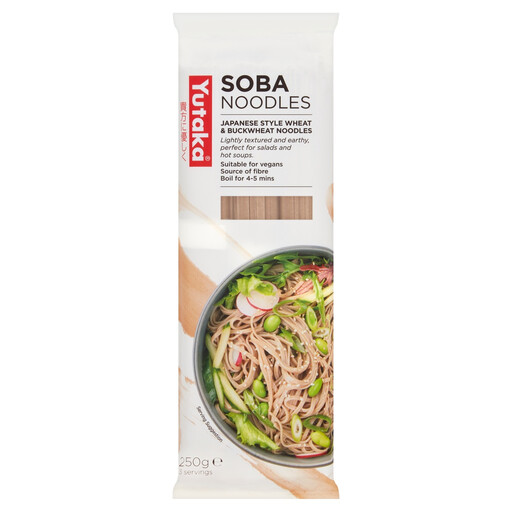
Why This Fits Their Persona: A smaller packet for cooks who want a clearly stated flour blend for plated cold soba or warming noodle soup.
Its listed composition states 58% wheat flour and 30% buckwheat flour, helping shoppers compare ingredients instead of relying on broad claims.
30% buckwheat flour; intended for both hot and cold dishes; cooking guidance includes rinsing and brief reheating.

Why This Fits Their Persona: A compact option for a work lunch, student accommodation or an evening when boiling a full pan is inconvenient.
The label identifies it as wheat-based instant noodles with chilli sauce, so shoppers are less likely to mistake it for plain buckwheat soba.
Three-minute preparation; draining lid; chilli wok-style sauce supplied in the pot.
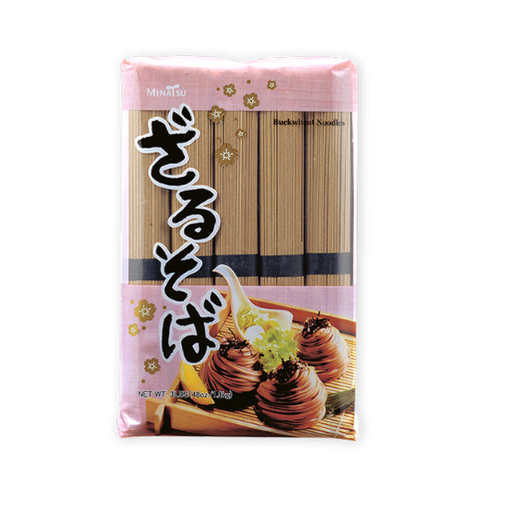
Why This Fits Their Persona: A large household pack for frequent cold noodle meals, broths, salads and meal preparation.
The product is clearly described as a wheat-and-buckwheat noodle and includes gluten allergen information, avoiding confusion over dietary suitability.
1.3kg quantity; suitable for cold dishes and broths; resealable or airtight storage is recommended after opening.
We have compiled a complete, real-time list of products that fully satisfy these strict selection criteria and UK safety regulations.
For most dry soba, use plenty of boiling water and follow the packet timing, commonly around four to five minutes. Stir occasionally to reduce sticking. Drain and rinse thoroughly under cold running water to remove excess starch.
For cold soba noodles, chill and drain them well before serving with dipping sauce, spring onion or other toppings. For hot soba noodles, rinse first, then briefly warm the noodles before adding them to broth. This helps prevent an overly starchy soup.
Instant products follow a different method: add boiling water, wait for the stated time, drain where instructed and mix in the sauce. Do not eat uncooked noodles.
Not usually. Although buckwheat is gluten-free in its natural form, many soba products contain wheat flour. Always check the ingredients and allergen declaration for wheat, gluten and possible traces.
Yes. Plain dry soba can be combined with vegetables, tofu, egg or meat in a stir-fry, provided it is cooked and rinsed first. Yakisoba-style instant noodles are specifically designed to be drained and mixed with sauce, but they are commonly wheat-based rather than high-buckwheat noodles.
Keep dry noodles in a cool, dry cupboard away from moisture and strong odours. Reseal the packet or transfer the contents to an airtight container. Check the packaging for the best-before date and discard noodles if they become damp, clumped or damaged.