
24/7 Customer Support

Free returns

Same-day & Next-day Delivery

Quality Guaranteed

Unlock Your Welcome Offers: FREE Delivery | Up to 80% OFF | Free 30-day JoyPlus trial
Download the APP
Soba noodles can mean several different things on UK online grocery shelves. A packet may contain traditional-style dried noodles for chilled dipping dishes, wheat-dominant noodles with a small amount of buckwheat, or instant yakisoba noodles designed for a three-minute lunch. Choosing by the word “soba” alone can lead to the wrong texture, flavour or preparation method.
Before buying, check three common traps:
Ingredients are listed by weight, so the first ingredient usually makes up the largest proportion. If you want a more noticeable earthy, nutty flavour, look for a product that clearly states its buckwheat content.
For example, Yutaka Soba Noodles list 58% wheat flour and 30% buckwheat flour. Akagi Joshu Soba specifies 20% buckwheat flour, while Jin Sha He Buckwheat Noodles state a minimum of 30%. By contrast, Top Value Knife-Cut Noodles - Buckwheat list 9% buckwheat flour and 90.05% wheat flour.
There is no single percentage that suits every shopper. A lower buckwheat content can provide a milder flavour and firmer structure, while a higher proportion may deliver a more distinctive buckwheat taste. If you are comparing products, always read the full ingredient list rather than relying on front-of-pack wording such as “buckwheat noodles”.
Dried soba noodles need boiling and usually take around four to five minutes, depending on the product. Rinsing them under cold water after cooking removes excess surface starch and helps maintain a cleaner, firmer texture. This preparation suits cold soba noodles with a dipping sauce, noodle salads and hot broths.
Instant soba noodles are designed for convenience rather than customisation. NISSIN Soba Teriyaki Noodles with Yakisoba Sauce 90g, for instance, use a draining lid and a three-minute preparation method. The noodles are wheat-based and come with a seasoned sauce sachet.
Yakisoba noodles are generally intended to be drained or stir-fried with sauce. They are useful for packed lunches and quick meals, but they are not interchangeable with plain dried buckwheat noodles in every soba noodle recipe.
Under UK food labelling requirements, allergens such as wheat, soya and cereals containing gluten should be emphasised in the ingredients list. However, recipes and manufacturing arrangements can change, so check the current packaging before purchase, particularly if you have an allergy or follow a restricted diet.
Most products in this category contain wheat. Even products marketed as buckwheat-based may also include wheat flour, tapioca starch, salt or texture-enhancing ingredients. Buckwheat itself is not the same grain as wheat, but it can still be identified as an allergen in some food labelling contexts and may be unsuitable for individuals with a buckwheat allergy.
Pack size should match your usage:
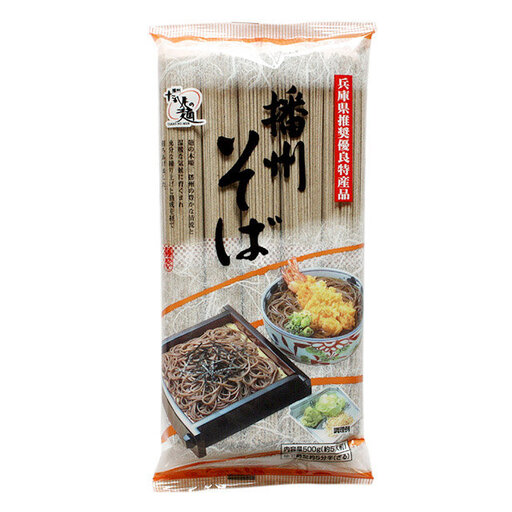
Why This Fits Their Persona: An 800g pack gives new soba cooks enough noodles to try soups, salads and cold dishes without immediately buying a large bulk case.
The product information identifies wheat flour and buckwheat flour, helping shoppers avoid assuming it is made solely from buckwheat.
Large household pack; suitable for hot and cold noodle recipes. Check the packet for the exact flour ratio and allergen advice.
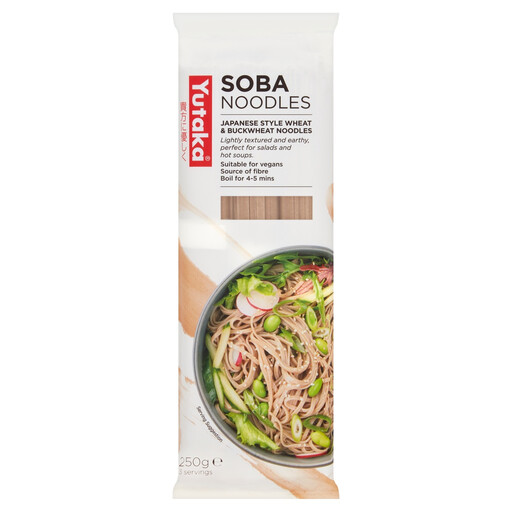
Why This Fits Their Persona: A compact pack with a stated 30% buckwheat content suits shoppers prioritising a recognisable nutty flavour and clear ingredient information.
The wheat and buckwheat proportions are stated in the product information, rather than leaving the blend unclear.
30% buckwheat flour; instructions cover both hot soup and chilled serving.
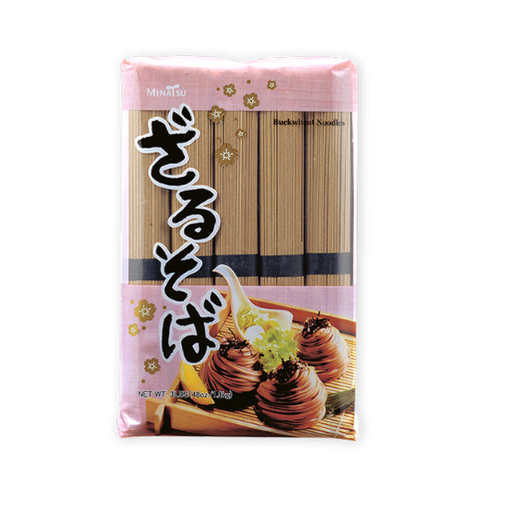
Why This Fits Their Persona: The 1.3kg format is practical for families, batch cooking and households that serve noodle dishes frequently.
The pack clearly identifies wheat flour and buckwheat flour, and gives storage guidance for resealing after opening.
1.3kg quantity; suitable for chilled dishes, broths and salads. Contains cereals containing gluten.
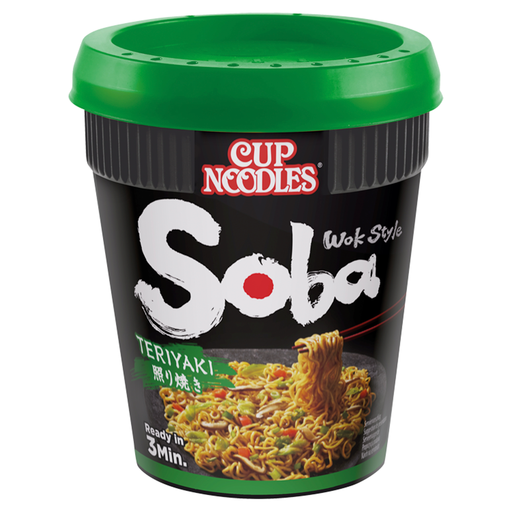
Why This Fits Their Persona: The individual 90g pot uses boiling water, a three-minute standing time and a draining cap for a low-effort work or study lunch.
It is clearly presented as an instant, sauce-based yakisoba-style product, so buyers are less likely to expect plain dried soba for dipping.
Three-minute preparation; includes teriyaki-style sauce. Contains wheat, soya and celery; may contain other listed allergens.
We have compiled a complete, real-time list of products that fully satisfy these strict selection criteria and UK safety regulations.
For dried Japanese soba noodles, use a large pan of boiling water and separate the strands as they enter the pan. Follow the packet timing, then drain and rinse thoroughly under cold running water. This is particularly important for cold soba noodles, where a clean surface and firm bite matter.
Serve chilled noodles with a dipping sauce, spring onions and optional wasabi, or add them to a salad with cucumber, carrot and sesame. For a hot dish, rinse the noodles first and warm them briefly before adding them to broth. This helps prevent overcooking.
For instant soba noodles, follow the stated water level and preparation time. Do not consume uncooked noodles, and take care when draining boiling water from a cup or saucepan.
Most commercially available soba noodles are not gluten-free because they contain wheat flour. Check the ingredients and allergen statement carefully. Products containing wheat, cereals containing gluten or soya may not suit people with allergies or coeliac disease.
Unopened dried soba noodles are shelf-stable until the best-before date shown on the packaging when stored in a cool, dry place. After opening, reseal the packet tightly and protect it from moisture and odours. Always follow the storage instructions for the specific product.
Yes, but preparation varies. Plain dried noodles generally need boiling and rinsing, while instant soba noodles can be ready in around three minutes. Check the nutrition panel and sauce ingredients if you are monitoring salt, fat or portion size, and add vegetables or a protein source for a more substantial meal.