
24/7 Customer Support

Free returns

Same-day & Next-day Delivery

Quality Guaranteed

Unlock Your Welcome Offers: FREE Delivery | Up to 80% OFF | Free 30-day JoyPlus trial
Download the APP
As a dog owner, you know that a good treat is more than just a snack. It’s a tool for training, a way to show affection and a small but important part of your dog's daily nutrition. The market for soft dog treats is vast, with countless brands promising natural ingredients and health benefits. However, navigating the options can be tricky, and it's easy to fall for marketing claims that don't hold up.
Many well-intentioned owners find themselves spending money on treats that are either less healthy than they appear or unsuitable for their dog's specific needs. Before you make your next purchase, let's look at a few common pitfalls to avoid.
To ensure you're choosing a treat that genuinely benefits your dog, focus on these core parameters.
The ingredients list is your most reliable source of information. It is always listed in order of weight, so the first few ingredients make up the bulk of the treat.
Many modern treats are formulated with added ingredients to support your dog's health. Understanding these can help you choose a product that does more than just taste good.
The "soft" in soft dog treats is a key feature. This texture makes them highly palatable and easy to chew, which is ideal for puppies with developing teeth, senior dogs or breeds with smaller jaws. For training purposes, the ability to break a treat into smaller pieces is crucial. Good dog training treats UK owners look for are those that can be given quickly and frequently without causing distraction or overfeeding. These are often referred to as soft dog chews or soft bites.
Based on these criteria, we've matched some standout products to the owners and dogs they are most suited for.
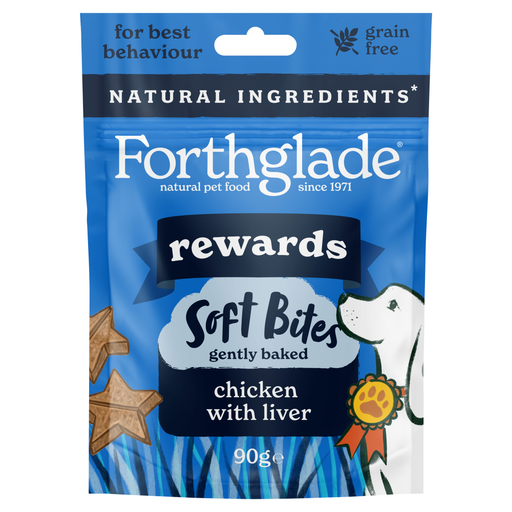
Why This Fits Their Persona: Perfect for UK dog owners focused on consistent training. The high meat content makes these treats highly motivating, while the soft, breakable texture is ideal for rewarding puppies and small breeds without disrupting the flow of a training session.
This treat directly counters the "low meat content" pitfall by clearly stating it contains 34% chicken, ensuring protein is a primary component, not just a flavour.
Formulated for high palatability to keep dogs engaged during training. The grain-free recipe is gentle on most dogs' digestion.
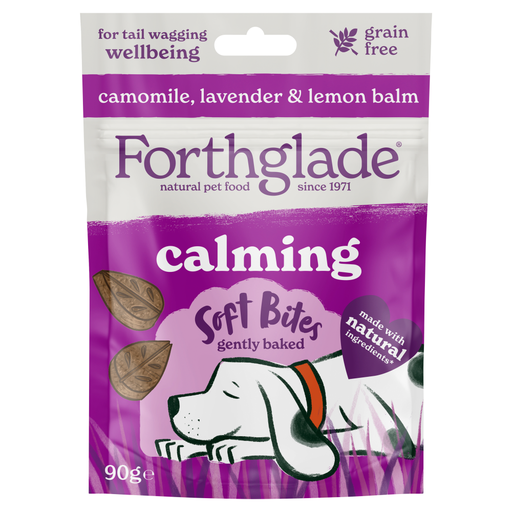
Why This Fits Their Persona: An excellent choice for owners of dogs who experience stress during car journeys, vet visits or fireworks. This treat is designed to be given during quiet moments to help a dog relax, making it a functional part of their routine.
It avoids the vague "natural" claim by specifying its functional ingredients. The composition lists a bespoke blend of camomile, valerian root and lavender, providing transparency about its calming formula.
Features a unique blend of botanicals associated with relaxation. The grain-free recipe with turkey is gentle on the stomach.
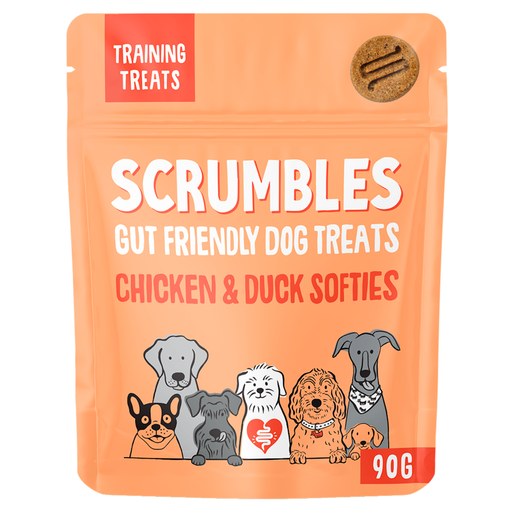
Why This Fits Their Persona: For the owner who carefully monitors their dog's digestion. This treat is specifically formulated to be gut-friendly, making it a reassuring choice for dogs prone to upset stomachs or those with known sensitivities.
This product challenges the "grain-free is always better" myth by using oats, a gentle grain, alongside high meat content. It proves that a thoughtfully balanced recipe with functional ingredients like slippery elm bark (0.1%) is key.
Contains slippery elm bark to support digestive health. The combination of chicken and duck provides a rich flavour profile.
We have compiled a complete, real-time list of products that fully satisfy these strict selection criteria and UK safety regulations.
The widely accepted guideline is that treats should not make up more than 10% of your dog's total daily calorie intake. This ensures their main diet remains balanced and they maintain a healthy weight. The specific number of treats will depend on the treat's calorie content and your dog's size, age and activity level. Always check the feeding guide on the packaging for a more specific recommendation.
Not necessarily. While some dogs are sensitive to common grains like wheat or corn, others may react to the legumes (like peas and lentils) or potatoes often used in grain-free dog treats. If your dog has a sensitive stomach, the most effective approach is to identify the specific ingredient causing the issue. Sometimes, a hypoallergenic dog treat with a single, novel protein source (like duck or venison) and a simple carbohydrate can be a better solution than a complex grain-free recipe.
Absolutely. Soft dog treats are an excellent choice for puppy training treats. Their soft texture makes them easy for a puppy to chew and swallow quickly, which helps maintain focus during a training session. Look for treats that are small or can be easily broken into tiny pieces to allow for frequent rewards without overfeeding.